[Client Impact]
Setting the Strategy for Kenya National Highways Authority
[Client Impact]
Setting the Strategy for Kenya National Highways Authority

Overview
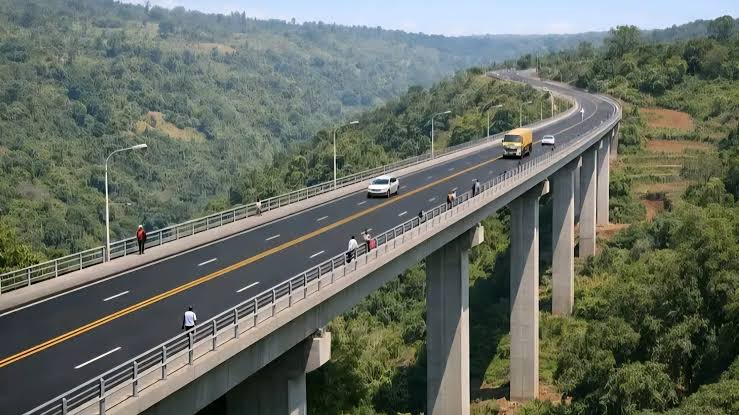
The Kenya National Highways Authority manages the national trunk road network, the corridors that carry the country’s freight, connect its ports to its borders, and link Kenya to the wider East African market. ACAL was engaged to develop the Authority’s Strategic Plan for 2023 to 2028, designing the strategies that encapsulate its vision, mission, core values, themes, objectives, and SMART actions for the five-year period.
Five-year Strategic Plan developed for the authority responsible for Kenya’s national trunk road network
Strategy built from vision and mission through themes and objectives to SMART, measurable actions
Delivered by a four-discipline expert team spanning strategic planning, transport planning, policy analysis, and contract management
Fourteen-month engagement commissioned through the Director of Policy and Planning, reporting to the Director General

Client Context
Kenya’s national highways are economic infrastructure before they are transport infrastructure. The corridors KENHA manages carry agricultural output to markets and ports, move imported goods inland from Mombasa, and form the Kenyan sections of regional trade routes reaching Uganda, Rwanda, South Sudan, and beyond. The condition and capacity of that network shapes the cost of doing business across the economy, which is why road investment consistently commands one of the largest allocations in the national budget.
The Authority’s mandate is correspondingly broad. It carries responsibility for the development, rehabilitation, management, and maintenance of national trunk roads, alongside the procurement and supervision of the contractors who execute that work, and increasingly the structuring of financing arrangements that extend beyond direct exchequer funding. It answers to the Ministry responsible for transport, to the National Treasury, to development partners financing major corridors, and to the road users and freight operators who experience the network’s performance daily.
An institution operating at this scale, with capital programmes running over multiple years and financing drawn from several sources, cannot be steered by annual budgeting alone. It requires a strategy that sets direction across the planning horizon its projects actually occupy.
The Challenge
Strategic planning for a national infrastructure authority poses a problem that generic corporate strategy methods handle badly. The institution’s core work runs on timelines longer than the plan itself. A major highway moves from feasibility through design, procurement, construction, and into maintenance over a period that can exceed a decade, which means a five-year strategy must position the Authority within programmes it did not start and will not finish.
Three further tensions had to be resolved in the plan rather than deferred. The first is the perennial balance between new construction and maintenance of the existing network, where political visibility favours the former and asset economics favour the latter. The second is financing: exchequer allocations, development partner programmes, road maintenance levy proceeds, and public private partnership structures each carry different conditions, timelines, and institutional demands, and a strategy that treats them as one funding pool misrepresents how the Authority actually works. The third is delivery capability, since an authority that plans more than it can procure, supervise, and administer produces stalled projects and contractual disputes rather than roads.
The plan also had to be measurable. A strategy for a public institution that cannot be assessed against defined actions provides direction without accountability, and the Authority’s oversight relationships, ministerial, Treasury, and development partner, all require the latter.
Our Approach
ACAL assembled a team matched to the distinct disciplines the mandate required and structured the engagement to move from institutional diagnosis to measurable commitment. Strategic planning, transport planning, policy analysis, and contract management expertise were deployed together, reflecting that a highways authority’s strategy is simultaneously an infrastructure question, a policy question, and a procurement question. The work established the Authority’s operating environment and mandate alignment, then developed the strategy architecture from vision, mission, and core values through strategic themes to objectives, and finally into SMART actions specific and measurable enough to support performance assessment. The fourteen-month duration allowed the consultative depth a national authority with multiple oversight relationships requires, engaging the Director of Policy and Planning as commissioning counterpart and the Director General’s office as the plan’s ultimate owner.
Multidisciplinary team across strategy, transport, policy, and contracts
Operating environment and mandate alignment analysis
Strategy architecture from vision through themes to objectives
SMART actions defined for measurable five-year delivery
Solution Delivered
ACAL delivered the Kenya National Highways Authority Strategic Plan for 2023 to 2028, comprising the Authority’s vision, mission, and core values, its strategic themes, the objectives supporting each theme, and the SMART actions through which those objectives are pursued and measured across the five-year period.
The engagement was led by Dr. Benjamin Karume as Team Leader, supported by Ayub Odida on strategic planning, Evans Ochola on transport planning, and Dr. Samuel Gichere on policy analysis, with contract management expertise integrated into the team.
5 Years
Strategy Horizon to 2028
5 Years
Strategy Horizon to 2028
4
Expert Disciplines Deployed
4
Expert Disciplines Deployed
National
Trunk Road Network Covered
National
Trunk Road Network Covered
KES 9.7M
Engagement Value
KES 9.7M
Engagement Value

Impact
The Authority operates from a strategy that translates a broad statutory mandate into stated themes, objectives, and actions capable of being measured. For an institution whose performance is assessed by the Ministry, the National Treasury, and development partners simultaneously, that translation is what allows performance conversations to be held against agreed commitments rather than competing expectations.
The wider significance sits in what the network carries. Kenya’s national trunk roads are the physical layer of the country’s trade economy and of regional integration through the Northern Corridor and its connections. Strategy at the authority level shapes which corridors are prioritised, how the balance between new construction and network maintenance is struck, and how the institution positions itself for the financing structures, including public private partnerships, that increasingly supplement exchequer allocations. Those choices reach the cost of freight, the reliability of supply chains, and the competitiveness of Kenyan goods.
For ACAL, the mandate sits within a body of transport sector work that extends from national authority strategy to corridor-level assessment and project delivery, including independent engineering oversight of performance-based public private partnership roads and feasibility and design work for county road networks. Strategy at the top of the sector and delivery at the road level inform each other.
Key Takeaways
Infrastructure strategy has to reckon with timelines longer than the plan
A five-year strategy for an institution whose projects run for a decade cannot pretend to a clean start and finish. It has to position the institution within programmes already in motion, which is a different discipline from strategic planning for organisations with annual delivery cycles.
The financing mix is a strategic variable, not a budget detail
Exchequer allocations, levy proceeds, development partner programmes, and PPP structures impose different conditions and institutional demands. A strategy that treats them as one pool understates what the institution must build to access each of them.
Measurability is what makes a public sector strategy usable
Vision and themes give direction. SMART actions give the oversight bodies, and the institution’s own management, something to assess performance against. Without the second, a strategy documents intent and settles nothing.
How We Helped Clients Grow Smarter
How We Helped Clients Grow Smarter
How We Helped Clients Grow Smarter

The Skills Gap Behind Off-Grid Energy
Fourteen underserved counties, one national energy programme, and the question every project appraisal document assumes has already been answered: can the institutions delivering this actually do it?

Counting What Flood Protection Delivered
Eight years of investment in flood mitigation and community-driven development across western Kenya, assessed where it either worked or did not: inside the households living on the floodplain.
Setting the Strategy for Kenya National Highways Authority
Building the 2023 to 2028 Strategic Plan for KENHA, translating a national mandate into vision, themes, objectives, and actions the institution can be measured against.

Positioning RCGW for the Decade of Water Scarcity
Evaluated five years of delivery and built the strategy that positions the Regional Centre on Groundwater Resources as a continental knowledge hub for the resource the Horn of Africa depends on most.

Selecting 2K+ Young Agripreneurs Across Kenya
ACAL designed and delivered the selection of 2,080 youth incubatees for the AfDB-financed ENABLE Youth Kenya agribusiness programme, using psychometric assessment across eight regional centres.

Building a Regional Framework for TVET
Inter-Institutional Collaboration Framework for EASTRIP TVET institutions, connecting training providers, governments, industry, and regulators across East Africa.
The Skills Gap Behind Off-Grid Energy
Fourteen underserved counties, one national energy programme, and the question every project appraisal document assumes has already been answered: can the institutions delivering this actually do it?
Counting What Flood Protection Delivered
Eight years of investment in flood mitigation and community-driven development across western Kenya, assessed where it either worked or did not: inside the households living on the floodplain.
Setting the Strategy for Kenya National Highways Authority
Building the 2023 to 2028 Strategic Plan for KENHA, translating a national mandate into vision, themes, objectives, and actions the institution can be measured against.
Positioning RCGW for the Decade of Water Scarcity
Evaluated five years of delivery and built the strategy that positions the Regional Centre on Groundwater Resources as a continental knowledge hub for the resource the Horn of Africa depends on most.
Selecting 2K+ Young Agripreneurs Across Kenya
ACAL designed and delivered the selection of 2,080 youth incubatees for the AfDB-financed ENABLE Youth Kenya agribusiness programme, using psychometric assessment across eight regional centres.
Building a Regional Framework for TVET
Inter-Institutional Collaboration Framework for EASTRIP TVET institutions, connecting training providers, governments, industry, and regulators across East Africa.
The Skills Gap Behind Off-Grid Energy
Fourteen underserved counties, one national energy programme, and the question every project appraisal document assumes has already been answered: can the institutions delivering this actually do it?
Counting What Flood Protection Delivered
Eight years of investment in flood mitigation and community-driven development across western Kenya, assessed where it either worked or did not: inside the households living on the floodplain.
Setting the Strategy for Kenya National Highways Authority
Building the 2023 to 2028 Strategic Plan for KENHA, translating a national mandate into vision, themes, objectives, and actions the institution can be measured against.
Positioning RCGW for the Decade of Water Scarcity
Evaluated five years of delivery and built the strategy that positions the Regional Centre on Groundwater Resources as a continental knowledge hub for the resource the Horn of Africa depends on most.
Selecting 2K+ Young Agripreneurs Across Kenya
ACAL designed and delivered the selection of 2,080 youth incubatees for the AfDB-financed ENABLE Youth Kenya agribusiness programme, using psychometric assessment across eight regional centres.
Building a Regional Framework for TVET
Inter-Institutional Collaboration Framework for EASTRIP TVET institutions, connecting training providers, governments, industry, and regulators across East Africa.
The Skills Gap Behind Off-Grid Energy
Fourteen underserved counties, one national energy programme, and the question every project appraisal document assumes has already been answered: can the institutions delivering this actually do it?
Counting What Flood Protection Delivered
Eight years of investment in flood mitigation and community-driven development across western Kenya, assessed where it either worked or did not: inside the households living on the floodplain.
Setting the Strategy for Kenya National Highways Authority
Building the 2023 to 2028 Strategic Plan for KENHA, translating a national mandate into vision, themes, objectives, and actions the institution can be measured against.
Positioning RCGW for the Decade of Water Scarcity
Evaluated five years of delivery and built the strategy that positions the Regional Centre on Groundwater Resources as a continental knowledge hub for the resource the Horn of Africa depends on most.
Selecting 2K+ Young Agripreneurs Across Kenya
ACAL designed and delivered the selection of 2,080 youth incubatees for the AfDB-financed ENABLE Youth Kenya agribusiness programme, using psychometric assessment across eight regional centres.
Building a Regional Framework for TVET
Inter-Institutional Collaboration Framework for EASTRIP TVET institutions, connecting training providers, governments, industry, and regulators across East Africa.
The Skills Gap Behind Off-Grid Energy
Fourteen underserved counties, one national energy programme, and the question every project appraisal document assumes has already been answered: can the institutions delivering this actually do it?
Counting What Flood Protection Delivered
Eight years of investment in flood mitigation and community-driven development across western Kenya, assessed where it either worked or did not: inside the households living on the floodplain.
Setting the Strategy for Kenya National Highways Authority
Building the 2023 to 2028 Strategic Plan for KENHA, translating a national mandate into vision, themes, objectives, and actions the institution can be measured against.
Positioning RCGW for the Decade of Water Scarcity
Evaluated five years of delivery and built the strategy that positions the Regional Centre on Groundwater Resources as a continental knowledge hub for the resource the Horn of Africa depends on most.
Selecting 2K+ Young Agripreneurs Across Kenya
ACAL designed and delivered the selection of 2,080 youth incubatees for the AfDB-financed ENABLE Youth Kenya agribusiness programme, using psychometric assessment across eight regional centres.
Building a Regional Framework for TVET
Inter-Institutional Collaboration Framework for EASTRIP TVET institutions, connecting training providers, governments, industry, and regulators across East Africa.
The Skills Gap Behind Off-Grid Energy
Fourteen underserved counties, one national energy programme, and the question every project appraisal document assumes has already been answered: can the institutions delivering this actually do it?
Counting What Flood Protection Delivered
Eight years of investment in flood mitigation and community-driven development across western Kenya, assessed where it either worked or did not: inside the households living on the floodplain.
Setting the Strategy for Kenya National Highways Authority
Building the 2023 to 2028 Strategic Plan for KENHA, translating a national mandate into vision, themes, objectives, and actions the institution can be measured against.
Positioning RCGW for the Decade of Water Scarcity
Evaluated five years of delivery and built the strategy that positions the Regional Centre on Groundwater Resources as a continental knowledge hub for the resource the Horn of Africa depends on most.
Selecting 2K+ Young Agripreneurs Across Kenya
ACAL designed and delivered the selection of 2,080 youth incubatees for the AfDB-financed ENABLE Youth Kenya agribusiness programme, using psychometric assessment across eight regional centres.
Building a Regional Framework for TVET
Inter-Institutional Collaboration Framework for EASTRIP TVET institutions, connecting training providers, governments, industry, and regulators across East Africa.
The Skills Gap Behind Off-Grid Energy
Fourteen underserved counties, one national energy programme, and the question every project appraisal document assumes has already been answered: can the institutions delivering this actually do it?
Counting What Flood Protection Delivered
Eight years of investment in flood mitigation and community-driven development across western Kenya, assessed where it either worked or did not: inside the households living on the floodplain.
Setting the Strategy for Kenya National Highways Authority
Building the 2023 to 2028 Strategic Plan for KENHA, translating a national mandate into vision, themes, objectives, and actions the institution can be measured against.
Positioning RCGW for the Decade of Water Scarcity
Evaluated five years of delivery and built the strategy that positions the Regional Centre on Groundwater Resources as a continental knowledge hub for the resource the Horn of Africa depends on most.
Selecting 2K+ Young Agripreneurs Across Kenya
ACAL designed and delivered the selection of 2,080 youth incubatees for the AfDB-financed ENABLE Youth Kenya agribusiness programme, using psychometric assessment across eight regional centres.
Building a Regional Framework for TVET
Inter-Institutional Collaboration Framework for EASTRIP TVET institutions, connecting training providers, governments, industry, and regulators across East Africa.
The Skills Gap Behind Off-Grid Energy
Fourteen underserved counties, one national energy programme, and the question every project appraisal document assumes has already been answered: can the institutions delivering this actually do it?
Counting What Flood Protection Delivered
Eight years of investment in flood mitigation and community-driven development across western Kenya, assessed where it either worked or did not: inside the households living on the floodplain.
Setting the Strategy for Kenya National Highways Authority
Building the 2023 to 2028 Strategic Plan for KENHA, translating a national mandate into vision, themes, objectives, and actions the institution can be measured against.
Positioning RCGW for the Decade of Water Scarcity
Evaluated five years of delivery and built the strategy that positions the Regional Centre on Groundwater Resources as a continental knowledge hub for the resource the Horn of Africa depends on most.
Selecting 2K+ Young Agripreneurs Across Kenya
ACAL designed and delivered the selection of 2,080 youth incubatees for the AfDB-financed ENABLE Youth Kenya agribusiness programme, using psychometric assessment across eight regional centres.
Building a Regional Framework for TVET
Inter-Institutional Collaboration Framework for EASTRIP TVET institutions, connecting training providers, governments, industry, and regulators across East Africa.
The Skills Gap Behind Off-Grid Energy
Fourteen underserved counties, one national energy programme, and the question every project appraisal document assumes has already been answered: can the institutions delivering this actually do it?
Counting What Flood Protection Delivered
Eight years of investment in flood mitigation and community-driven development across western Kenya, assessed where it either worked or did not: inside the households living on the floodplain.
Setting the Strategy for Kenya National Highways Authority
Building the 2023 to 2028 Strategic Plan for KENHA, translating a national mandate into vision, themes, objectives, and actions the institution can be measured against.
Positioning RCGW for the Decade of Water Scarcity
Evaluated five years of delivery and built the strategy that positions the Regional Centre on Groundwater Resources as a continental knowledge hub for the resource the Horn of Africa depends on most.
Selecting 2K+ Young Agripreneurs Across Kenya
ACAL designed and delivered the selection of 2,080 youth incubatees for the AfDB-financed ENABLE Youth Kenya agribusiness programme, using psychometric assessment across eight regional centres.
Building a Regional Framework for TVET
Inter-Institutional Collaboration Framework for EASTRIP TVET institutions, connecting training providers, governments, industry, and regulators across East Africa.
The Skills Gap Behind Off-Grid Energy
Fourteen underserved counties, one national energy programme, and the question every project appraisal document assumes has already been answered: can the institutions delivering this actually do it?
Counting What Flood Protection Delivered
Eight years of investment in flood mitigation and community-driven development across western Kenya, assessed where it either worked or did not: inside the households living on the floodplain.
Setting the Strategy for Kenya National Highways Authority
Building the 2023 to 2028 Strategic Plan for KENHA, translating a national mandate into vision, themes, objectives, and actions the institution can be measured against.
Positioning RCGW for the Decade of Water Scarcity
Evaluated five years of delivery and built the strategy that positions the Regional Centre on Groundwater Resources as a continental knowledge hub for the resource the Horn of Africa depends on most.
Selecting 2K+ Young Agripreneurs Across Kenya
ACAL designed and delivered the selection of 2,080 youth incubatees for the AfDB-financed ENABLE Youth Kenya agribusiness programme, using psychometric assessment across eight regional centres.
Building a Regional Framework for TVET
Inter-Institutional Collaboration Framework for EASTRIP TVET institutions, connecting training providers, governments, industry, and regulators across East Africa.
The Skills Gap Behind Off-Grid Energy
Fourteen underserved counties, one national energy programme, and the question every project appraisal document assumes has already been answered: can the institutions delivering this actually do it?
Counting What Flood Protection Delivered
Eight years of investment in flood mitigation and community-driven development across western Kenya, assessed where it either worked or did not: inside the households living on the floodplain.
Setting the Strategy for Kenya National Highways Authority
Building the 2023 to 2028 Strategic Plan for KENHA, translating a national mandate into vision, themes, objectives, and actions the institution can be measured against.
Positioning RCGW for the Decade of Water Scarcity
Evaluated five years of delivery and built the strategy that positions the Regional Centre on Groundwater Resources as a continental knowledge hub for the resource the Horn of Africa depends on most.
Selecting 2K+ Young Agripreneurs Across Kenya
ACAL designed and delivered the selection of 2,080 youth incubatees for the AfDB-financed ENABLE Youth Kenya agribusiness programme, using psychometric assessment across eight regional centres.
Building a Regional Framework for TVET
Inter-Institutional Collaboration Framework for EASTRIP TVET institutions, connecting training providers, governments, industry, and regulators across East Africa.
The Skills Gap Behind Off-Grid Energy
Fourteen underserved counties, one national energy programme, and the question every project appraisal document assumes has already been answered: can the institutions delivering this actually do it?
Counting What Flood Protection Delivered
Eight years of investment in flood mitigation and community-driven development across western Kenya, assessed where it either worked or did not: inside the households living on the floodplain.
Setting the Strategy for Kenya National Highways Authority
Building the 2023 to 2028 Strategic Plan for KENHA, translating a national mandate into vision, themes, objectives, and actions the institution can be measured against.
Positioning RCGW for the Decade of Water Scarcity
Evaluated five years of delivery and built the strategy that positions the Regional Centre on Groundwater Resources as a continental knowledge hub for the resource the Horn of Africa depends on most.
Selecting 2K+ Young Agripreneurs Across Kenya
ACAL designed and delivered the selection of 2,080 youth incubatees for the AfDB-financed ENABLE Youth Kenya agribusiness programme, using psychometric assessment across eight regional centres.
Building a Regional Framework for TVET
Inter-Institutional Collaboration Framework for EASTRIP TVET institutions, connecting training providers, governments, industry, and regulators across East Africa.
Change the Game
Work with Experts to Change the Game
Work with Experts to Change the Game
40+ major programmes delivered
100% project completion rate
GCF accredited · One of 54 worldwide