[Client Impact]
Selecting 2K+ Young Agripreneurs Across Kenya
[Client Impact]
Selecting 2K+ Young Agripreneurs Across Kenya

Overview
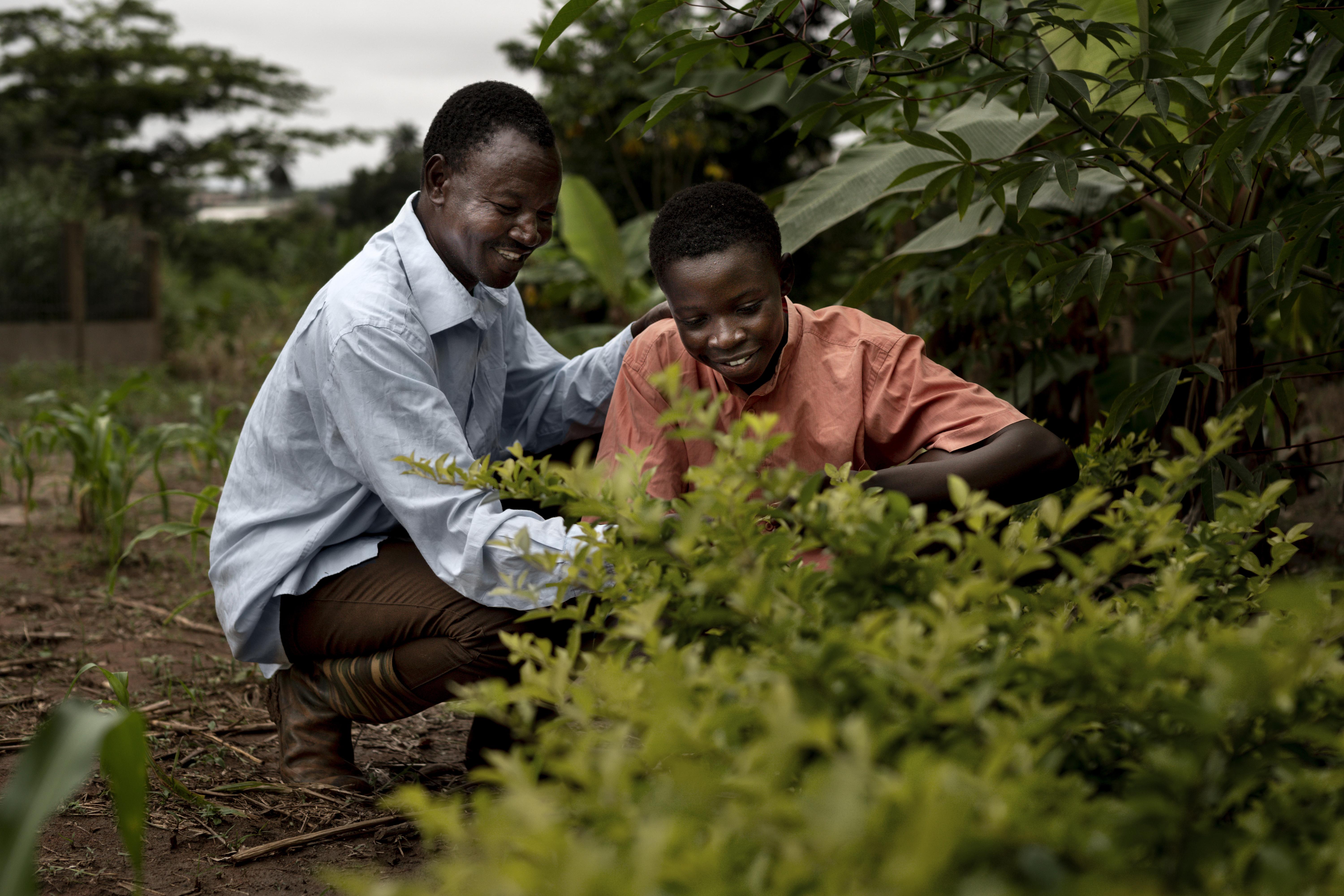
ENABLE Youth Kenya is a national programme financed by the African Development Bank and the Government of Kenya, designed to build youth entrepreneurship in agribusiness. ACAL was engaged to recruit and select 2,080 youth incubatees, the cohort entering the programme’s incubation and acceleration pathway.
2,080 incubatees selected for a national agribusiness incubation and acceleration programme
Selection delivered across eight regional centres covering every part of the country
Psychometric assessment applied to test entrepreneurial aptitude, not just academic qualification
Gender parity target of at least one third of either gender built into the selection design

Client Context
Kenya’s agricultural sector faces two linked problems: youth unemployment among college and university graduates, and an ageing farming population with a succession gap across agribusiness value chains. ENABLE Youth Kenya was designed to close that gap by treating young people as prospective agribusiness owners rather than job seekers.
The programme supports skill acquisition, incubation, acceleration, and business development through Youth Agribusiness Incubation Centres, helping young people become owners of profitable agribusinesses. Because incubation depends entirely on who enters it, selection was the investment decision that shaped every outcome to follow.
The Challenge
Selecting 2,080 incubatees from a national applicant pool required different assessment criteria for start-up-stage incubatees and accelerated youth agripreneurs with ventures ready to scale. The process had to guarantee transparency, fairness, efficiency, and a gender target of at least one third of either gender.
The deeper challenge was predictive: academic qualification is a poor predictor of entrepreneurial success. The selection process needed to identify genuine aptitude and interest consistently across eight regional centres, so candidates assessed in Coast were measured on the same basis as candidates in Nyanza.
Our Approach
ACAL designed selection to test entrepreneurial potential rather than credential, operationalising the programme’s criteria into screening methods, psychometric assessment, centralised shortlisting, and regionally delivered interviews. Retention was treated as a design objective from the start.
Screening methods built on the programme’s selection criteria
Psychometric assessment of entrepreneurial aptitude
Centralised shortlisting with regional interview delivery across eight centres
Selection designed for retention through the full incubation pathway
Solution Delivered
ACAL delivered the complete recruitment and selection process for 2,080 incubatees: screening and shortlisting against programme criteria, psychometric assessment of entrepreneurial aptitude, and interviews across eight regional centres spanning Central, Coast, Eastern, Nairobi, North Eastern, Nyanza, Rift Valley, and Western Kenya.
The result was a cohort selected on aptitude and interest rather than credential alone, divided between standard incubatees at start-up stage and accelerated agripreneurs ready to scale, while meeting the programme’s gender parity requirement.
2,080
Young Agripreneurs Selected
2,080
Young Agripreneurs Selected
8
Regional Centres Covered
8
Regional Centres Covered
33%
Minimum Gender Representation
33%
Minimum Gender Representation
AfDB
Programme Financier
AfDB
Programme Financier

Impact
The selection placed 2,080 young Kenyans into a structured pathway toward agribusiness ownership, each entering incubation or acceleration with business development support behind them. For a programme whose purpose is enterprise creation, the cohort is the asset every subsequent investment is built around.
Running interviews across all eight former provinces meant the opportunity reached young people in North Eastern and Coast on the same terms as those in Nairobi, rather than concentrating places among candidates able to travel to the capital. Assessing entrepreneurial aptitude at entry also addressed the costly risk of disengagement later in the incubation pathway.
Key Takeaways
In enterprise programmes, selection is the investment decision
Everything an incubation programme spends is committed when the cohort is chosen. Treating selection as administrative screening ahead of the real work inverts where the value actually sits.
Credentials do not predict entrepreneurship
Academic qualification measures something real, but not necessarily the aptitude or demonstrated interest enterprise programmes need. Testing those qualities systematically is a better predictor of who will still be building a business two years later.
National programmes need national selection infrastructure
Delivering assessment across eight regional centres costs more than centralising it in Nairobi. It is also the difference between a national programme and a capital-city programme with national branding.
How We Helped Clients Grow Smarter
How We Helped Clients Grow Smarter
How We Helped Clients Grow Smarter

The Skills Gap Behind Off-Grid Energy
Fourteen underserved counties, one national energy programme, and the question every project appraisal document assumes has already been answered: can the institutions delivering this actually do it?

Counting What Flood Protection Delivered
Eight years of investment in flood mitigation and community-driven development across western Kenya, assessed where it either worked or did not: inside the households living on the floodplain.
Setting the Strategy for Kenya National Highways Authority
Building the 2023 to 2028 Strategic Plan for KENHA, translating a national mandate into vision, themes, objectives, and actions the institution can be measured against.

Positioning RCGW for the Decade of Water Scarcity
Evaluated five years of delivery and built the strategy that positions the Regional Centre on Groundwater Resources as a continental knowledge hub for the resource the Horn of Africa depends on most.
Selecting 2K+ Young Agripreneurs Across Kenya
ACAL designed and delivered the selection of 2,080 youth incubatees for the AfDB-financed ENABLE Youth Kenya agribusiness programme, using psychometric assessment across eight regional centres.

Building a Regional Framework for TVET
Inter-Institutional Collaboration Framework for EASTRIP TVET institutions, connecting training providers, governments, industry, and regulators across East Africa.
The Skills Gap Behind Off-Grid Energy
Fourteen underserved counties, one national energy programme, and the question every project appraisal document assumes has already been answered: can the institutions delivering this actually do it?
Counting What Flood Protection Delivered
Eight years of investment in flood mitigation and community-driven development across western Kenya, assessed where it either worked or did not: inside the households living on the floodplain.
Setting the Strategy for Kenya National Highways Authority
Building the 2023 to 2028 Strategic Plan for KENHA, translating a national mandate into vision, themes, objectives, and actions the institution can be measured against.
Positioning RCGW for the Decade of Water Scarcity
Evaluated five years of delivery and built the strategy that positions the Regional Centre on Groundwater Resources as a continental knowledge hub for the resource the Horn of Africa depends on most.
Selecting 2K+ Young Agripreneurs Across Kenya
ACAL designed and delivered the selection of 2,080 youth incubatees for the AfDB-financed ENABLE Youth Kenya agribusiness programme, using psychometric assessment across eight regional centres.
Building a Regional Framework for TVET
Inter-Institutional Collaboration Framework for EASTRIP TVET institutions, connecting training providers, governments, industry, and regulators across East Africa.
The Skills Gap Behind Off-Grid Energy
Fourteen underserved counties, one national energy programme, and the question every project appraisal document assumes has already been answered: can the institutions delivering this actually do it?
Counting What Flood Protection Delivered
Eight years of investment in flood mitigation and community-driven development across western Kenya, assessed where it either worked or did not: inside the households living on the floodplain.
Setting the Strategy for Kenya National Highways Authority
Building the 2023 to 2028 Strategic Plan for KENHA, translating a national mandate into vision, themes, objectives, and actions the institution can be measured against.
Positioning RCGW for the Decade of Water Scarcity
Evaluated five years of delivery and built the strategy that positions the Regional Centre on Groundwater Resources as a continental knowledge hub for the resource the Horn of Africa depends on most.
Selecting 2K+ Young Agripreneurs Across Kenya
ACAL designed and delivered the selection of 2,080 youth incubatees for the AfDB-financed ENABLE Youth Kenya agribusiness programme, using psychometric assessment across eight regional centres.
Building a Regional Framework for TVET
Inter-Institutional Collaboration Framework for EASTRIP TVET institutions, connecting training providers, governments, industry, and regulators across East Africa.
The Skills Gap Behind Off-Grid Energy
Fourteen underserved counties, one national energy programme, and the question every project appraisal document assumes has already been answered: can the institutions delivering this actually do it?
Counting What Flood Protection Delivered
Eight years of investment in flood mitigation and community-driven development across western Kenya, assessed where it either worked or did not: inside the households living on the floodplain.
Setting the Strategy for Kenya National Highways Authority
Building the 2023 to 2028 Strategic Plan for KENHA, translating a national mandate into vision, themes, objectives, and actions the institution can be measured against.
Positioning RCGW for the Decade of Water Scarcity
Evaluated five years of delivery and built the strategy that positions the Regional Centre on Groundwater Resources as a continental knowledge hub for the resource the Horn of Africa depends on most.
Selecting 2K+ Young Agripreneurs Across Kenya
ACAL designed and delivered the selection of 2,080 youth incubatees for the AfDB-financed ENABLE Youth Kenya agribusiness programme, using psychometric assessment across eight regional centres.
Building a Regional Framework for TVET
Inter-Institutional Collaboration Framework for EASTRIP TVET institutions, connecting training providers, governments, industry, and regulators across East Africa.
The Skills Gap Behind Off-Grid Energy
Fourteen underserved counties, one national energy programme, and the question every project appraisal document assumes has already been answered: can the institutions delivering this actually do it?
Counting What Flood Protection Delivered
Eight years of investment in flood mitigation and community-driven development across western Kenya, assessed where it either worked or did not: inside the households living on the floodplain.
Setting the Strategy for Kenya National Highways Authority
Building the 2023 to 2028 Strategic Plan for KENHA, translating a national mandate into vision, themes, objectives, and actions the institution can be measured against.
Positioning RCGW for the Decade of Water Scarcity
Evaluated five years of delivery and built the strategy that positions the Regional Centre on Groundwater Resources as a continental knowledge hub for the resource the Horn of Africa depends on most.
Selecting 2K+ Young Agripreneurs Across Kenya
ACAL designed and delivered the selection of 2,080 youth incubatees for the AfDB-financed ENABLE Youth Kenya agribusiness programme, using psychometric assessment across eight regional centres.
Building a Regional Framework for TVET
Inter-Institutional Collaboration Framework for EASTRIP TVET institutions, connecting training providers, governments, industry, and regulators across East Africa.
The Skills Gap Behind Off-Grid Energy
Fourteen underserved counties, one national energy programme, and the question every project appraisal document assumes has already been answered: can the institutions delivering this actually do it?
Counting What Flood Protection Delivered
Eight years of investment in flood mitigation and community-driven development across western Kenya, assessed where it either worked or did not: inside the households living on the floodplain.
Setting the Strategy for Kenya National Highways Authority
Building the 2023 to 2028 Strategic Plan for KENHA, translating a national mandate into vision, themes, objectives, and actions the institution can be measured against.
Positioning RCGW for the Decade of Water Scarcity
Evaluated five years of delivery and built the strategy that positions the Regional Centre on Groundwater Resources as a continental knowledge hub for the resource the Horn of Africa depends on most.
Selecting 2K+ Young Agripreneurs Across Kenya
ACAL designed and delivered the selection of 2,080 youth incubatees for the AfDB-financed ENABLE Youth Kenya agribusiness programme, using psychometric assessment across eight regional centres.
Building a Regional Framework for TVET
Inter-Institutional Collaboration Framework for EASTRIP TVET institutions, connecting training providers, governments, industry, and regulators across East Africa.
The Skills Gap Behind Off-Grid Energy
Fourteen underserved counties, one national energy programme, and the question every project appraisal document assumes has already been answered: can the institutions delivering this actually do it?
Counting What Flood Protection Delivered
Eight years of investment in flood mitigation and community-driven development across western Kenya, assessed where it either worked or did not: inside the households living on the floodplain.
Setting the Strategy for Kenya National Highways Authority
Building the 2023 to 2028 Strategic Plan for KENHA, translating a national mandate into vision, themes, objectives, and actions the institution can be measured against.
Positioning RCGW for the Decade of Water Scarcity
Evaluated five years of delivery and built the strategy that positions the Regional Centre on Groundwater Resources as a continental knowledge hub for the resource the Horn of Africa depends on most.
Selecting 2K+ Young Agripreneurs Across Kenya
ACAL designed and delivered the selection of 2,080 youth incubatees for the AfDB-financed ENABLE Youth Kenya agribusiness programme, using psychometric assessment across eight regional centres.
Building a Regional Framework for TVET
Inter-Institutional Collaboration Framework for EASTRIP TVET institutions, connecting training providers, governments, industry, and regulators across East Africa.
The Skills Gap Behind Off-Grid Energy
Fourteen underserved counties, one national energy programme, and the question every project appraisal document assumes has already been answered: can the institutions delivering this actually do it?
Counting What Flood Protection Delivered
Eight years of investment in flood mitigation and community-driven development across western Kenya, assessed where it either worked or did not: inside the households living on the floodplain.
Setting the Strategy for Kenya National Highways Authority
Building the 2023 to 2028 Strategic Plan for KENHA, translating a national mandate into vision, themes, objectives, and actions the institution can be measured against.
Positioning RCGW for the Decade of Water Scarcity
Evaluated five years of delivery and built the strategy that positions the Regional Centre on Groundwater Resources as a continental knowledge hub for the resource the Horn of Africa depends on most.
Selecting 2K+ Young Agripreneurs Across Kenya
ACAL designed and delivered the selection of 2,080 youth incubatees for the AfDB-financed ENABLE Youth Kenya agribusiness programme, using psychometric assessment across eight regional centres.
Building a Regional Framework for TVET
Inter-Institutional Collaboration Framework for EASTRIP TVET institutions, connecting training providers, governments, industry, and regulators across East Africa.
The Skills Gap Behind Off-Grid Energy
Fourteen underserved counties, one national energy programme, and the question every project appraisal document assumes has already been answered: can the institutions delivering this actually do it?
Counting What Flood Protection Delivered
Eight years of investment in flood mitigation and community-driven development across western Kenya, assessed where it either worked or did not: inside the households living on the floodplain.
Setting the Strategy for Kenya National Highways Authority
Building the 2023 to 2028 Strategic Plan for KENHA, translating a national mandate into vision, themes, objectives, and actions the institution can be measured against.
Positioning RCGW for the Decade of Water Scarcity
Evaluated five years of delivery and built the strategy that positions the Regional Centre on Groundwater Resources as a continental knowledge hub for the resource the Horn of Africa depends on most.
Selecting 2K+ Young Agripreneurs Across Kenya
ACAL designed and delivered the selection of 2,080 youth incubatees for the AfDB-financed ENABLE Youth Kenya agribusiness programme, using psychometric assessment across eight regional centres.
Building a Regional Framework for TVET
Inter-Institutional Collaboration Framework for EASTRIP TVET institutions, connecting training providers, governments, industry, and regulators across East Africa.
The Skills Gap Behind Off-Grid Energy
Fourteen underserved counties, one national energy programme, and the question every project appraisal document assumes has already been answered: can the institutions delivering this actually do it?
Counting What Flood Protection Delivered
Eight years of investment in flood mitigation and community-driven development across western Kenya, assessed where it either worked or did not: inside the households living on the floodplain.
Setting the Strategy for Kenya National Highways Authority
Building the 2023 to 2028 Strategic Plan for KENHA, translating a national mandate into vision, themes, objectives, and actions the institution can be measured against.
Positioning RCGW for the Decade of Water Scarcity
Evaluated five years of delivery and built the strategy that positions the Regional Centre on Groundwater Resources as a continental knowledge hub for the resource the Horn of Africa depends on most.
Selecting 2K+ Young Agripreneurs Across Kenya
ACAL designed and delivered the selection of 2,080 youth incubatees for the AfDB-financed ENABLE Youth Kenya agribusiness programme, using psychometric assessment across eight regional centres.
Building a Regional Framework for TVET
Inter-Institutional Collaboration Framework for EASTRIP TVET institutions, connecting training providers, governments, industry, and regulators across East Africa.
The Skills Gap Behind Off-Grid Energy
Fourteen underserved counties, one national energy programme, and the question every project appraisal document assumes has already been answered: can the institutions delivering this actually do it?
Counting What Flood Protection Delivered
Eight years of investment in flood mitigation and community-driven development across western Kenya, assessed where it either worked or did not: inside the households living on the floodplain.
Setting the Strategy for Kenya National Highways Authority
Building the 2023 to 2028 Strategic Plan for KENHA, translating a national mandate into vision, themes, objectives, and actions the institution can be measured against.
Positioning RCGW for the Decade of Water Scarcity
Evaluated five years of delivery and built the strategy that positions the Regional Centre on Groundwater Resources as a continental knowledge hub for the resource the Horn of Africa depends on most.
Selecting 2K+ Young Agripreneurs Across Kenya
ACAL designed and delivered the selection of 2,080 youth incubatees for the AfDB-financed ENABLE Youth Kenya agribusiness programme, using psychometric assessment across eight regional centres.
Building a Regional Framework for TVET
Inter-Institutional Collaboration Framework for EASTRIP TVET institutions, connecting training providers, governments, industry, and regulators across East Africa.
The Skills Gap Behind Off-Grid Energy
Fourteen underserved counties, one national energy programme, and the question every project appraisal document assumes has already been answered: can the institutions delivering this actually do it?
Counting What Flood Protection Delivered
Eight years of investment in flood mitigation and community-driven development across western Kenya, assessed where it either worked or did not: inside the households living on the floodplain.
Setting the Strategy for Kenya National Highways Authority
Building the 2023 to 2028 Strategic Plan for KENHA, translating a national mandate into vision, themes, objectives, and actions the institution can be measured against.
Positioning RCGW for the Decade of Water Scarcity
Evaluated five years of delivery and built the strategy that positions the Regional Centre on Groundwater Resources as a continental knowledge hub for the resource the Horn of Africa depends on most.
Selecting 2K+ Young Agripreneurs Across Kenya
ACAL designed and delivered the selection of 2,080 youth incubatees for the AfDB-financed ENABLE Youth Kenya agribusiness programme, using psychometric assessment across eight regional centres.
Building a Regional Framework for TVET
Inter-Institutional Collaboration Framework for EASTRIP TVET institutions, connecting training providers, governments, industry, and regulators across East Africa.
Change the Game
Work with Experts to Change the Game
Work with Experts to Change the Game
40+ major programmes delivered
100% project completion rate
GCF accredited · One of 54 worldwide