[Client Impact]
Building Climate Resilience with the Urban Poor
[Client Impact]
Building Climate Resilience with the Urban Poor
Overview
Building Climate Resilience with the Urban Poor is a globally coordinated, country-led programme targeting climate resilience in informal settlements across 12 African and Asian pilot countries, with a resource mobilisation target of USD 6 billion. ACAL was engaged to design the organisational structure, operationalisation framework, and resource mobilisation strategy that would allow BCRUP to function as a credible, investment-ready programme at international scale.
Coordinating programme advisory across 12 diverse country contexts
Linking informal settlement realities with structured climate finance instruments
Demonstrating bankable outcomes to unlock USD 6 billion mobilisation target
Integrating gender and urban vulnerability dimensions into climate resilience frameworks

Client Context
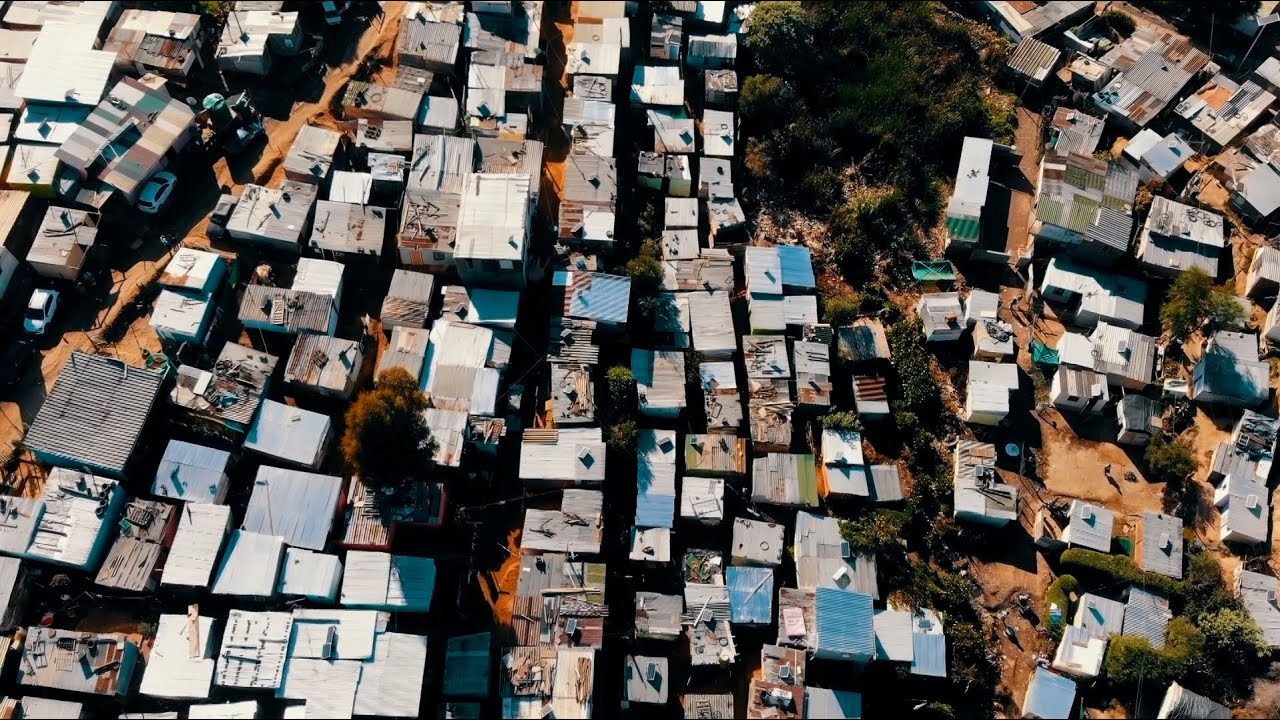
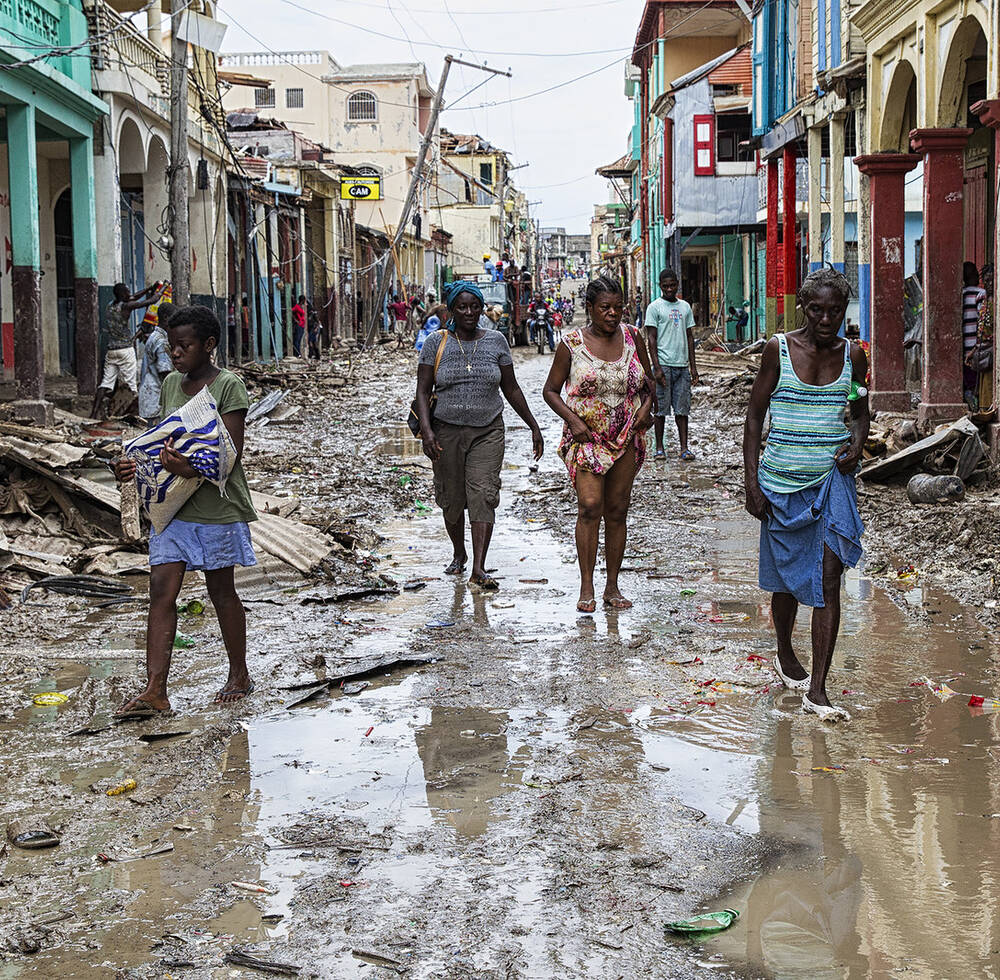
The world's urban poor bear a disproportionate share of climate risk. Informal settlements, which house hundreds of millions of people across the Global South, sit in flood zones, on unstable slopes, and along coastlines that are becoming more dangerous with each year of rising temperatures. The people living in these settlements have contributed least to the conditions creating the risk and have the fewest resources to manage it.
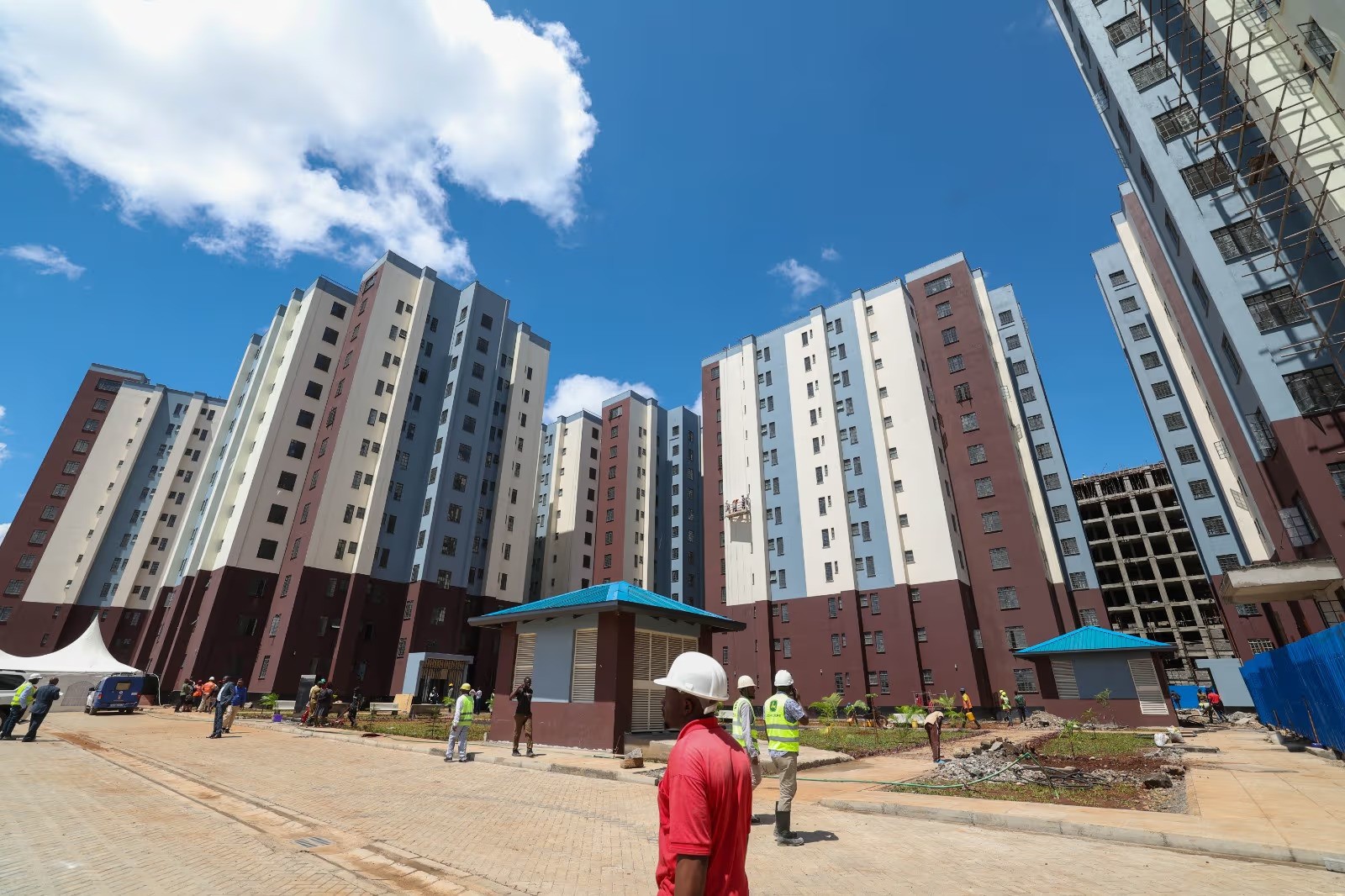
BCRUP was conceived to change that equation. Designed as a country-led, regionally coordinated programme with global reporting, BCRUP's mission is to enhance climate resilience in informal settlements across 12 pilot countries while developing the replication architecture that would allow the approach to spread across the continent and beyond. The programme is co-created with beneficiaries, prioritising locally led solutions over externally imposed frameworks. Its ambition, to mobilise USD 6 billion in climate resilience financing while ensuring that communities most exposed to climate risk are active participants in the response rather than passive recipients, places it at the frontier of how climate adaptation finance is designed and delivered.
Getting from that ambition to a programme that international financiers would fund and national governments would own required institutional architecture that did not exist. ACAL was engaged to build it.
The Challenge
Programme ambition and programme architecture are different things. BCRUP's vision was clear and its rationale was compelling. What it needed was the organisational structure, governance model, and resource mobilisation strategy to convert that vision into a vehicle that could attract USD 6 billion in international climate finance while maintaining the country-led character that differentiated it from conventional top-down climate programmes.
The challenge was structural. A programme operating across 12 countries simultaneously needs governance mechanisms that allow each country to lead its own implementation while meeting the accountability and reporting standards that international financiers require. It needs a resource mobilisation strategy specific enough to identify credible funding pathways, not a general appeal to the existence of climate finance. And it needs an operationalisation framework that can be handed to country teams with different institutional capacities and still produce coherent, comparable results.
Building that architecture for a programme at this scale, within the timeline that BCRUP's launch required, demanded a team that understood both the technical requirements of international climate finance and the institutional realities of the countries where delivery would happen.
Our Approach
ACAL approached the BCRUP mandate as an institutional design challenge, not a strategy writing exercise. The deliverables had to be functional, not aspirational: an organisational structure that could govern a 12-country programme, an operationalisation framework that country teams could implement, and a resource mobilisation strategy grounded in specific funding pathways rather than general optimism about available climate finance.
Organisational structure design
Investment framework development aligned to GCF and donor requirements
Resource mobilisation strategy
Co-creation methodology integration
Solution Delivered
ACAL delivered the organisational structure, operationalisation framework, and resource mobilisation strategy for BCRUP, providing the institutional architecture that a USD 6 billion globally coordinated programme requires to be credible, investable, and implementable. The engagement was valued at USD 139.2K, a fraction of the capital that a functional programme architecture unlocks.
The organisational structure ACAL designed governed the relationship between global coordination, regional hubs, and country programmes in a way that preserved national ownership while meeting international accountability standards. The operationalisation framework gave country teams the systems and processes to implement consistently across contexts as different as Kenya’s informal settlements and equivalent communities in South and Southeast Asia. The resource mobilisation strategy provided a specific, evidence-grounded roadmap to the USD 6 billion target rather than a generic list of available climate funds.
BCRUP’s USD 3.87M Kenya component, and the 12-country programme it sits within, is now operationally structured to attract and deploy international climate capital at a scale that would not have been possible without the institutional foundations ACAL was retained to build.
500M
Programme Value
500M
Programme Value
$6B
Mobilisation Target
$6B
Mobilisation Target
12
Pilot Countries
12
Pilot Countries
2
Programme Partners
2
Programme Partners

Impact
The immediate impact of ACAL’s engagement was institutional: a programme that had vision and resources but lacked the architecture to deploy them now has the governance structure, operational systems, and fundraising strategy to function at its intended scale. That transition, from compelling idea to investable institution, is where the real work of climate finance happens, and it is the work that most climate programmes under-invest in.
The longer-term impact will be measured in the capital that BCRUP mobilises and the lives it reaches. A programme targeting USD 6 billion in climate resilience financing for informal settlements across 12 countries, if it succeeds, represents one of the most significant climate adaptation interventions in the Global South. The communities it reaches are the communities most exposed to climate risk and most excluded from climate finance. Getting institutional design right at this stage is not administrative work. It is the difference between a programme that attracts serious capital and one that remains a compelling concept.
For ACAL, BCRUP represents the full expression of the firm’s climate finance capability: not just assessing or evaluating climate programmes, but designing the institutional foundations that allow them to function. That capability, demonstrated at a 12-country scale with a USD 6 billion mobilisation mandate, is what ACAL’s GCF accreditation means in practice.
Key Takeaways
Programme ambition without institutional architecture is not investable. International climate financiers do not fund compelling ideas. They fund institutions with governance structures clear enough to assign accountability, operational frameworks specific enough to guide implementation, and fundraising strategies grounded in real funding pathways. ACAL’s work on BCRUP built those foundations.
Country-led and globally coordinated are not contradictory objectives. The governance architecture that allows a multi-country programme to maintain national ownership while meeting international reporting standards is a design challenge, not an inherent tension. Getting it right requires explicit decisions about where authority sits at each level of the programme hierarchy, not a general commitment to both principles.
Co-creation must be designed into operations, not declared in principles. Programmes that articulate a commitment to locally led solutions without embedding that commitment in their operational frameworks will find that field implementation defaults to externally driven approaches under delivery pressure. The operationalisation framework ACAL designed for BCRUP built co-creation methodology into the implementation systems that country teams use daily.
The institutional design phase is where climate capital is won or lost. A programme that reaches a GCF board or a multilateral development bank’s credit committee without credible governance architecture, a compelling and specific resource mobilisation strategy, and an operationalisation framework that demonstrates implementation readiness will not receive serious consideration regardless of the quality of its climate science. The institutional design phase is not preliminary work. It is the work that determines whether the programme happens.
Sector: Climate Change and Resilience Donors: World Bank / European Commission Geography: 12 Pilot Countries (Africa and Asia) | Kenya Programme ACAL Contract Value: USD 139.2K Global Mobilisation Target: USD 6 Billion
How We Helped Clients Grow Smarter
How We Helped Clients Grow Smarter
How We Helped Clients Grow Smarter

The Skills Gap Behind Off-Grid Energy
Fourteen underserved counties, one national energy programme, and the question every project appraisal document assumes has already been answered: can the institutions delivering this actually do it?

Counting What Flood Protection Delivered
Eight years of investment in flood mitigation and community-driven development across western Kenya, assessed where it either worked or did not: inside the households living on the floodplain.

Setting the Strategy for Kenya National Highways Authority
Building the 2023 to 2028 Strategic Plan for KENHA, translating a national mandate into vision, themes, objectives, and actions the institution can be measured against.

Positioning RCGW for the Decade of Water Scarcity
Evaluated five years of delivery and built the strategy that positions the Regional Centre on Groundwater Resources as a continental knowledge hub for the resource the Horn of Africa depends on most.

Selecting 2K+ Young Agripreneurs Across Kenya
ACAL designed and delivered the selection of 2,080 youth incubatees for the AfDB-financed ENABLE Youth Kenya agribusiness programme, using psychometric assessment across eight regional centres.

Building a Regional Framework for TVET
Inter-Institutional Collaboration Framework for EASTRIP TVET institutions, connecting training providers, governments, industry, and regulators across East Africa.
The Skills Gap Behind Off-Grid Energy
Fourteen underserved counties, one national energy programme, and the question every project appraisal document assumes has already been answered: can the institutions delivering this actually do it?
Counting What Flood Protection Delivered
Eight years of investment in flood mitigation and community-driven development across western Kenya, assessed where it either worked or did not: inside the households living on the floodplain.
Setting the Strategy for Kenya National Highways Authority
Building the 2023 to 2028 Strategic Plan for KENHA, translating a national mandate into vision, themes, objectives, and actions the institution can be measured against.
Positioning RCGW for the Decade of Water Scarcity
Evaluated five years of delivery and built the strategy that positions the Regional Centre on Groundwater Resources as a continental knowledge hub for the resource the Horn of Africa depends on most.
Selecting 2K+ Young Agripreneurs Across Kenya
ACAL designed and delivered the selection of 2,080 youth incubatees for the AfDB-financed ENABLE Youth Kenya agribusiness programme, using psychometric assessment across eight regional centres.
Building a Regional Framework for TVET
Inter-Institutional Collaboration Framework for EASTRIP TVET institutions, connecting training providers, governments, industry, and regulators across East Africa.
The Skills Gap Behind Off-Grid Energy
Fourteen underserved counties, one national energy programme, and the question every project appraisal document assumes has already been answered: can the institutions delivering this actually do it?
Counting What Flood Protection Delivered
Eight years of investment in flood mitigation and community-driven development across western Kenya, assessed where it either worked or did not: inside the households living on the floodplain.
Setting the Strategy for Kenya National Highways Authority
Building the 2023 to 2028 Strategic Plan for KENHA, translating a national mandate into vision, themes, objectives, and actions the institution can be measured against.
Positioning RCGW for the Decade of Water Scarcity
Evaluated five years of delivery and built the strategy that positions the Regional Centre on Groundwater Resources as a continental knowledge hub for the resource the Horn of Africa depends on most.
Selecting 2K+ Young Agripreneurs Across Kenya
ACAL designed and delivered the selection of 2,080 youth incubatees for the AfDB-financed ENABLE Youth Kenya agribusiness programme, using psychometric assessment across eight regional centres.
Building a Regional Framework for TVET
Inter-Institutional Collaboration Framework for EASTRIP TVET institutions, connecting training providers, governments, industry, and regulators across East Africa.
The Skills Gap Behind Off-Grid Energy
Fourteen underserved counties, one national energy programme, and the question every project appraisal document assumes has already been answered: can the institutions delivering this actually do it?
Counting What Flood Protection Delivered
Eight years of investment in flood mitigation and community-driven development across western Kenya, assessed where it either worked or did not: inside the households living on the floodplain.
Setting the Strategy for Kenya National Highways Authority
Building the 2023 to 2028 Strategic Plan for KENHA, translating a national mandate into vision, themes, objectives, and actions the institution can be measured against.
Positioning RCGW for the Decade of Water Scarcity
Evaluated five years of delivery and built the strategy that positions the Regional Centre on Groundwater Resources as a continental knowledge hub for the resource the Horn of Africa depends on most.
Selecting 2K+ Young Agripreneurs Across Kenya
ACAL designed and delivered the selection of 2,080 youth incubatees for the AfDB-financed ENABLE Youth Kenya agribusiness programme, using psychometric assessment across eight regional centres.
Building a Regional Framework for TVET
Inter-Institutional Collaboration Framework for EASTRIP TVET institutions, connecting training providers, governments, industry, and regulators across East Africa.
The Skills Gap Behind Off-Grid Energy
Fourteen underserved counties, one national energy programme, and the question every project appraisal document assumes has already been answered: can the institutions delivering this actually do it?
Counting What Flood Protection Delivered
Eight years of investment in flood mitigation and community-driven development across western Kenya, assessed where it either worked or did not: inside the households living on the floodplain.
Setting the Strategy for Kenya National Highways Authority
Building the 2023 to 2028 Strategic Plan for KENHA, translating a national mandate into vision, themes, objectives, and actions the institution can be measured against.
Positioning RCGW for the Decade of Water Scarcity
Evaluated five years of delivery and built the strategy that positions the Regional Centre on Groundwater Resources as a continental knowledge hub for the resource the Horn of Africa depends on most.
Selecting 2K+ Young Agripreneurs Across Kenya
ACAL designed and delivered the selection of 2,080 youth incubatees for the AfDB-financed ENABLE Youth Kenya agribusiness programme, using psychometric assessment across eight regional centres.
Building a Regional Framework for TVET
Inter-Institutional Collaboration Framework for EASTRIP TVET institutions, connecting training providers, governments, industry, and regulators across East Africa.
The Skills Gap Behind Off-Grid Energy
Fourteen underserved counties, one national energy programme, and the question every project appraisal document assumes has already been answered: can the institutions delivering this actually do it?
Counting What Flood Protection Delivered
Eight years of investment in flood mitigation and community-driven development across western Kenya, assessed where it either worked or did not: inside the households living on the floodplain.
Setting the Strategy for Kenya National Highways Authority
Building the 2023 to 2028 Strategic Plan for KENHA, translating a national mandate into vision, themes, objectives, and actions the institution can be measured against.
Positioning RCGW for the Decade of Water Scarcity
Evaluated five years of delivery and built the strategy that positions the Regional Centre on Groundwater Resources as a continental knowledge hub for the resource the Horn of Africa depends on most.
Selecting 2K+ Young Agripreneurs Across Kenya
ACAL designed and delivered the selection of 2,080 youth incubatees for the AfDB-financed ENABLE Youth Kenya agribusiness programme, using psychometric assessment across eight regional centres.
Building a Regional Framework for TVET
Inter-Institutional Collaboration Framework for EASTRIP TVET institutions, connecting training providers, governments, industry, and regulators across East Africa.
The Skills Gap Behind Off-Grid Energy
Fourteen underserved counties, one national energy programme, and the question every project appraisal document assumes has already been answered: can the institutions delivering this actually do it?
Counting What Flood Protection Delivered
Eight years of investment in flood mitigation and community-driven development across western Kenya, assessed where it either worked or did not: inside the households living on the floodplain.
Setting the Strategy for Kenya National Highways Authority
Building the 2023 to 2028 Strategic Plan for KENHA, translating a national mandate into vision, themes, objectives, and actions the institution can be measured against.
Positioning RCGW for the Decade of Water Scarcity
Evaluated five years of delivery and built the strategy that positions the Regional Centre on Groundwater Resources as a continental knowledge hub for the resource the Horn of Africa depends on most.
Selecting 2K+ Young Agripreneurs Across Kenya
ACAL designed and delivered the selection of 2,080 youth incubatees for the AfDB-financed ENABLE Youth Kenya agribusiness programme, using psychometric assessment across eight regional centres.
Building a Regional Framework for TVET
Inter-Institutional Collaboration Framework for EASTRIP TVET institutions, connecting training providers, governments, industry, and regulators across East Africa.
The Skills Gap Behind Off-Grid Energy
Fourteen underserved counties, one national energy programme, and the question every project appraisal document assumes has already been answered: can the institutions delivering this actually do it?
Counting What Flood Protection Delivered
Eight years of investment in flood mitigation and community-driven development across western Kenya, assessed where it either worked or did not: inside the households living on the floodplain.
Setting the Strategy for Kenya National Highways Authority
Building the 2023 to 2028 Strategic Plan for KENHA, translating a national mandate into vision, themes, objectives, and actions the institution can be measured against.
Positioning RCGW for the Decade of Water Scarcity
Evaluated five years of delivery and built the strategy that positions the Regional Centre on Groundwater Resources as a continental knowledge hub for the resource the Horn of Africa depends on most.
Selecting 2K+ Young Agripreneurs Across Kenya
ACAL designed and delivered the selection of 2,080 youth incubatees for the AfDB-financed ENABLE Youth Kenya agribusiness programme, using psychometric assessment across eight regional centres.
Building a Regional Framework for TVET
Inter-Institutional Collaboration Framework for EASTRIP TVET institutions, connecting training providers, governments, industry, and regulators across East Africa.
The Skills Gap Behind Off-Grid Energy
Fourteen underserved counties, one national energy programme, and the question every project appraisal document assumes has already been answered: can the institutions delivering this actually do it?
Counting What Flood Protection Delivered
Eight years of investment in flood mitigation and community-driven development across western Kenya, assessed where it either worked or did not: inside the households living on the floodplain.
Setting the Strategy for Kenya National Highways Authority
Building the 2023 to 2028 Strategic Plan for KENHA, translating a national mandate into vision, themes, objectives, and actions the institution can be measured against.
Positioning RCGW for the Decade of Water Scarcity
Evaluated five years of delivery and built the strategy that positions the Regional Centre on Groundwater Resources as a continental knowledge hub for the resource the Horn of Africa depends on most.
Selecting 2K+ Young Agripreneurs Across Kenya
ACAL designed and delivered the selection of 2,080 youth incubatees for the AfDB-financed ENABLE Youth Kenya agribusiness programme, using psychometric assessment across eight regional centres.
Building a Regional Framework for TVET
Inter-Institutional Collaboration Framework for EASTRIP TVET institutions, connecting training providers, governments, industry, and regulators across East Africa.
The Skills Gap Behind Off-Grid Energy
Fourteen underserved counties, one national energy programme, and the question every project appraisal document assumes has already been answered: can the institutions delivering this actually do it?
Counting What Flood Protection Delivered
Eight years of investment in flood mitigation and community-driven development across western Kenya, assessed where it either worked or did not: inside the households living on the floodplain.
Setting the Strategy for Kenya National Highways Authority
Building the 2023 to 2028 Strategic Plan for KENHA, translating a national mandate into vision, themes, objectives, and actions the institution can be measured against.
Positioning RCGW for the Decade of Water Scarcity
Evaluated five years of delivery and built the strategy that positions the Regional Centre on Groundwater Resources as a continental knowledge hub for the resource the Horn of Africa depends on most.
Selecting 2K+ Young Agripreneurs Across Kenya
ACAL designed and delivered the selection of 2,080 youth incubatees for the AfDB-financed ENABLE Youth Kenya agribusiness programme, using psychometric assessment across eight regional centres.
Building a Regional Framework for TVET
Inter-Institutional Collaboration Framework for EASTRIP TVET institutions, connecting training providers, governments, industry, and regulators across East Africa.
The Skills Gap Behind Off-Grid Energy
Fourteen underserved counties, one national energy programme, and the question every project appraisal document assumes has already been answered: can the institutions delivering this actually do it?
Counting What Flood Protection Delivered
Eight years of investment in flood mitigation and community-driven development across western Kenya, assessed where it either worked or did not: inside the households living on the floodplain.
Setting the Strategy for Kenya National Highways Authority
Building the 2023 to 2028 Strategic Plan for KENHA, translating a national mandate into vision, themes, objectives, and actions the institution can be measured against.
Positioning RCGW for the Decade of Water Scarcity
Evaluated five years of delivery and built the strategy that positions the Regional Centre on Groundwater Resources as a continental knowledge hub for the resource the Horn of Africa depends on most.
Selecting 2K+ Young Agripreneurs Across Kenya
ACAL designed and delivered the selection of 2,080 youth incubatees for the AfDB-financed ENABLE Youth Kenya agribusiness programme, using psychometric assessment across eight regional centres.
Building a Regional Framework for TVET
Inter-Institutional Collaboration Framework for EASTRIP TVET institutions, connecting training providers, governments, industry, and regulators across East Africa.
The Skills Gap Behind Off-Grid Energy
Fourteen underserved counties, one national energy programme, and the question every project appraisal document assumes has already been answered: can the institutions delivering this actually do it?
Counting What Flood Protection Delivered
Eight years of investment in flood mitigation and community-driven development across western Kenya, assessed where it either worked or did not: inside the households living on the floodplain.
Setting the Strategy for Kenya National Highways Authority
Building the 2023 to 2028 Strategic Plan for KENHA, translating a national mandate into vision, themes, objectives, and actions the institution can be measured against.
Positioning RCGW for the Decade of Water Scarcity
Evaluated five years of delivery and built the strategy that positions the Regional Centre on Groundwater Resources as a continental knowledge hub for the resource the Horn of Africa depends on most.
Selecting 2K+ Young Agripreneurs Across Kenya
ACAL designed and delivered the selection of 2,080 youth incubatees for the AfDB-financed ENABLE Youth Kenya agribusiness programme, using psychometric assessment across eight regional centres.
Building a Regional Framework for TVET
Inter-Institutional Collaboration Framework for EASTRIP TVET institutions, connecting training providers, governments, industry, and regulators across East Africa.
Change the Game
Work with Experts to Change the Game
Work with Experts to Change the Game
40+ major programmes delivered
100% project completion rate
GCF accredited · One of 54 worldwide