Overview
Infrastructure is not built on intentions. It is built through rigorous engineering, disciplined project management, and an advisory practice that connects technical execution to institutional and financing realities. ACAL's engineering practice, delivered through its affiliated firm ACAL Consulting Engineers Limited (ACEL), provides the full spectrum of engineering consultancy across Kenya's most demanding sectors.
We do not describe capabilities in abstract terms. We describe what we have designed, what we have supervised, and what clients have signed off on.
Full feasibility, detailed engineering design, environmental and social impact assessment, and tender documents across water, irrigation, and roads sectors
KES 172.6 million National Irrigation Board contract for Narusura and Nguruman irrigation development projects in Narok and Kajiado Counties
Construction supervision and Independent Engineer services for 2,000km of roads under KURA's Contractor-Facilitated Financing mechanism, KES 595.6 million, 2025 to 2032
Client satisfaction confirmation from Kenya Urban Roads Authority for completed roads feasibility and design work in Machakos and Kitui
What We Deliver
ACEL's engineering practice covers the complete project lifecycle. We conduct pre-feasibility and feasibility studies, produce detailed engineering designs and working drawings, prepare full tender documentation, manage procurement processes, and provide construction supervision and contract administration. For ongoing infrastructure under long-term maintenance contracts, we serve as Independent Engineer — monitoring performance, certifying works, and ensuring contractors meet their contractual obligations over the life of the concession.
Our teams integrate engineering disciplines with the environmental, social, and economic analysis that Kenya's regulatory environment and donor safeguard frameworks require. Environmental and Social Impact Assessments, Resettlement Action Plans, and community engagement processes are not add-on services for ACEL. They are built into how we design and deliver.
We operate across six business areas: irrigation and water, transport, power, environment and social studies, infrastructure, and surveying. Our advisory offer extends to PPP structuring, bankable studies, and project financing preparation for clients accessing private capital alongside or instead of public funding.
Key Focus Areas
Pre-feasibility and feasibility studies for irrigation, water supply, and transport infrastructure
Detailed engineering design, technical specifications, and working drawings for civil, hydraulic, structural, and electro-mechanical works
Environmental and Social Impact Assessment (ESIA) and Resettlement Action Plans in compliance with Kenya's EMCA Act and donor safeguard requirements
Construction supervision, quality control, contract management, and as-built documentation
Independent Engineer services for PPP and Contractor-Facilitated Financing O&M contracts
"ACAL Consulting Engineers Limited successfully executed and completed the assignment, by engaging the various stakeholders in a professional manner, within the timelines and as per the TOR. We therefore recommend the firm for such similar assignments in your organisation."
Management Representative
Kenya Urban Roads Authority


Irrigation Engineering
Irrigation infrastructure is among the most technically demanding categories of civil engineering. A viable irrigation scheme requires the integration of hydrology, agronomy, soil science, hydraulic engineering, structural design, environmental assessment, and community engagement — all within a financial model that must demonstrate economic returns sufficient to justify the investment and sustain the scheme after construction.
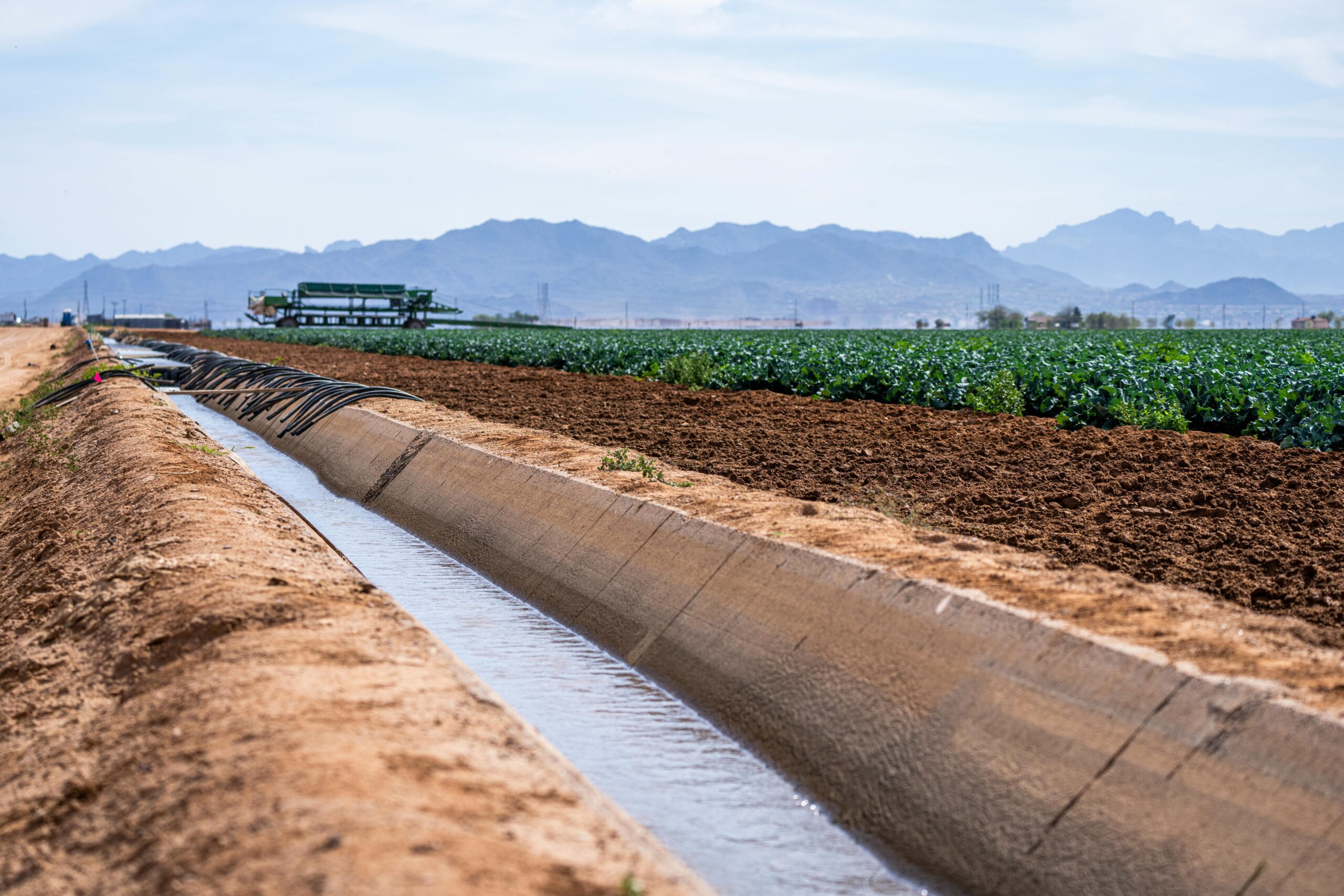
ACEL was appointed by the National Irrigation Board to provide full consultancy services for the Narusura and Nguruman irrigation development projects in Narok and Kajiado Counties. The combined contract, awarded following competitive technical and financial evaluation, was valued at KES 172.6 million inclusive of provisional sums. The engagement required a multidisciplinary team spanning dam engineering, irrigation engineering, hydrology, geotechnical investigation, structural design, electro-mechanical engineering, agronomy, surveying, environmental assessment, socio-economic analysis, and economics.
The scope ran from preliminary feasibility assessment of irrigation development options across the Ewaso Ngiro downstream corridor, through detailed feasibility study and economic viability analysis, to the detailed engineering design of the optimum development plan and full preparation of tender documents for construction. Environmental and Social Impact Assessment was conducted in accordance with Kenya's environmental legislation and NIB requirements. Community stakeholder involvement was embedded throughout the process, including the selection of development alternatives and the design of farmer management arrangements to sustain the schemes after completion.
The project mandate was structured from the outset to produce an irrigation investment that communities could take ownership of, that the economics justified, and that the technical documentation supported immediate construction procurement.
Water Systems Design and Urban Utilities
Urban water utilities in Kenya face a defined set of engineering challenges: ageing intake infrastructure, inadequate treatment capacity, distribution networks with high levels of non-revenue water, and storage systems sized for populations that have since grown beyond design parameters. The gap between what a utility's system can deliver and what the service area requires is an engineering problem before it is a financing or governance problem.
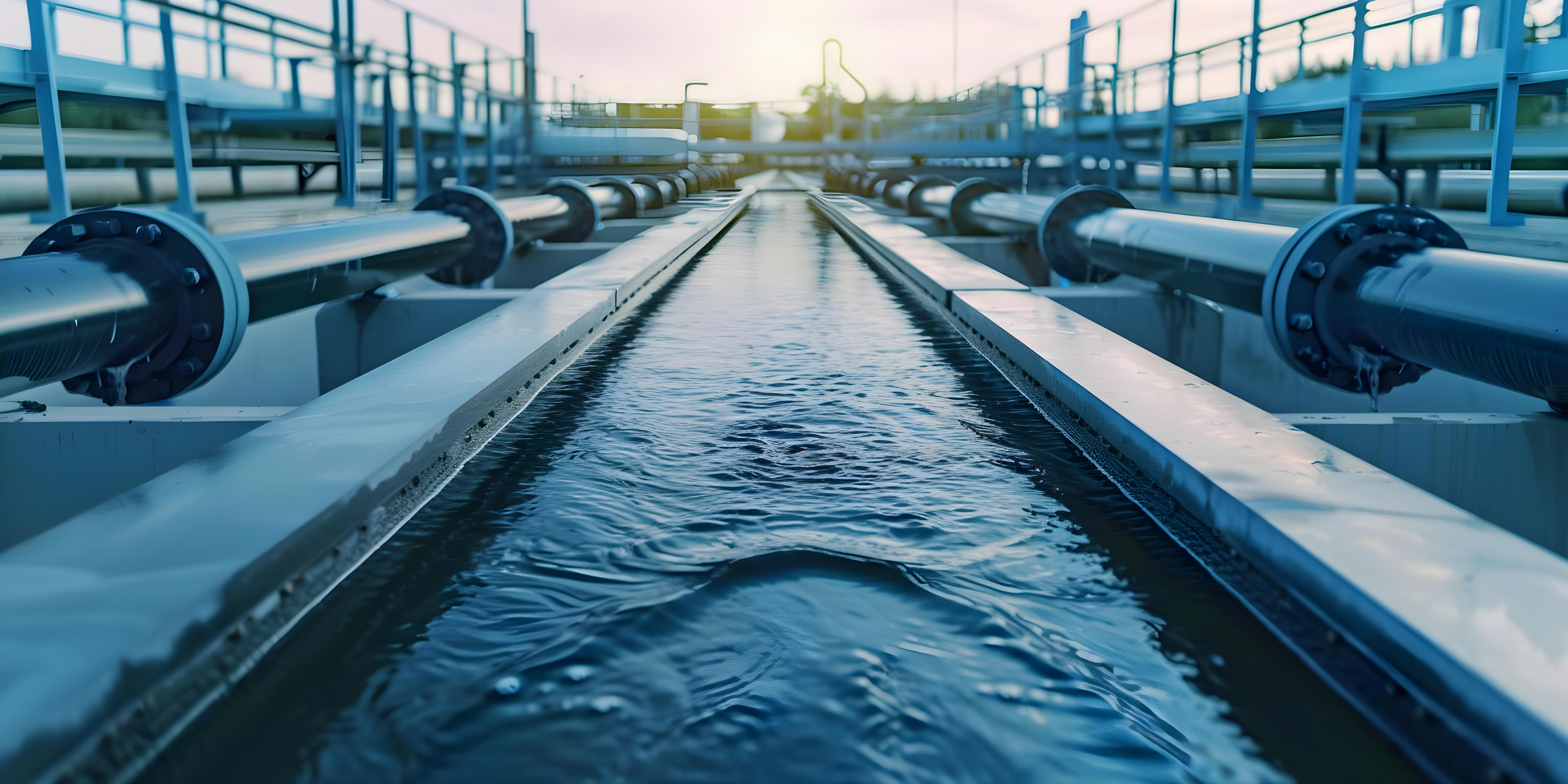
ACEL was engaged by Meru Water and Sewerage Services (MEWASS) to prepare complete project documents for infrastructure development across the utility's service area. The engagement required a full review of the Tana River hydrology and the utility's water demand, design of intake works capable of meeting current and projected demand, design of a raw water main, design of a water treatment plant and storage tanks, and design of a distribution network. ACEL also assessed the utility's non-revenue water position and defined a scope of NRW reduction works for the existing distribution infrastructure.
The deliverables included detailed designs and working drawings for all proposed structures, technical specifications and cost estimates, a full implementation plan, a complete ESIA, and assistance to MEWASS in obtaining the permits and licences required to proceed to procurement. The engagement ran from November 2017 to December 2019 and required close coordination with the Water Resources Management Authority on water abstraction rights.
For water utilities operating across Kenya's rapidly urbanising secondary towns, the pathway from service failure to bankable infrastructure investment requires exactly this kind of technical preparation — not only designs that work, but documentation that lenders, regulators, and procurement bodies can accept.

Roads Engineering and Transport Infrastructure
Road infrastructure feasibility is more than pavement design. It is the process of producing the technical, economic, environmental, and social evidence base that governments and transport agencies need before committing to an investment, and that financiers need before committing funds. The quality of that evidence base determines whether roads get built, and whether the roads that do get built deliver the returns that justified the expenditure.
ACEL conducted feasibility studies, Environmental and Social Impact Studies, and Preliminary Engineering Design for roads in Machakos and Kitui under a KES 60.6 million contract with the Kenya Urban Roads Authority, awarded in February 2017. The scope included social analysis and suppressed demand assessment, field surveys covering topography, pavement, drainage, and structures, traffic surveys and demand forecasting, identification of construction material sources, preliminary engineering design and cost estimation for upgrading options, economic evaluation in accordance with national guidelines, risk analysis, Resettlement Action Plans, and environmental impact assessment under Kenya's EMCA Act. The work was completed within the contracted nine-month period and received formal commendation from KURA in March 2020.
ACEL's current engagement with KURA extends this roads practice into long-term infrastructure management. Under Tender No. KURA/DEV/HQ/407/2024-2025, ACEL is serving as Independent Engineer for the Operation and Maintenance phase of 2,000 kilometres of roads across Vihiga, Bungoma, Kakamega, and Busia Counties, roads developed under the Contractor-Facilitated Financing mechanism. The contract, valued at KES 595.6 million, runs from June 2025 to June 2032 and requires continuous performance monitoring, compliance verification, contract certification, and technical advisory support to KURA across the entire O&M period.

Energy, Quality Management, and Climate Resilience
Kenya's energy and climate infrastructure presents a distinct advisory challenge. The assets are large, the institutions operating them are critical national agencies, and the standards, whether international certification frameworks or World Bank safeguard policies, are non-negotiable. The firms that work in this space must combine technical credibility with institutional intelligence.
ACAL guided Kenya Electricity Transmission Company Limited through full ISO 9001:2008 Quality Management System certification. KETRACO is responsible for Kenya's national high-voltage transmission network, and its certification required a complete gap analysis, process documentation, quality manual development, management review architecture, and institutional preparation for external assessment, all conducted against the operational reality of a live national grid operator. The work was accepted by KETRACO's management in June 2013 and formally certified on 24 September 2013. The same methodology supports ISO 27001 Information Security Management System certification for infrastructure institutions with sensitive operational data requirements.
On climate resilience, ACAL served as Documentation and Evaluation Consultant on the Kenya Water Security and Climate Resilience Project under the Ministry of Water, Sanitation and Irrigation, a World Bank programme addressing the vulnerability of Kenya's water infrastructure to climate change. Our mandate encompassed programme evaluation, socioeconomic surveys, cost-benefit analysis, environmental and social impact characterisation, safeguard compliance assessment, and the final Implementation Completion Report. The contract ran from March 2024 to August 2025 at a value of KES 15.2 million.
For laboratories seeking regulatory standing in Kenya's environmental, medical, or food testing markets, ACEL advises on the accreditation pathway to KENAS ISO/IEC 17025 and ISO 15189 certification, from readiness assessment and gap analysis through documentation development, internal audit preparation, and management system implementation.
Get Started Today
Let’s build something great together.
Average response rate 1 hour
Proven track of results
Dedicated and honest team


Change the Game
40+ major programmes delivered
100% project completion rate
GCF accredited · One of 54 worldwide