[Client Impact]
Financial Architecture for Tana's Bulk Water Works
[Client Impact]
Financial Architecture for Tana's Bulk Water Works
Overview
Tana Water Works Development Agency manages bulk water supply infrastructure across six of Kenya's gazetted national public water works, spanning from Chogoria and Chuka in the Central region to Isiolo, Marsabit, and Mandera in Kenya's northern ASAL counties. ACAL was engaged to establish the financial sustainability framework for each water works: designing bulk water tariffs to WASREB standard, modelling operational and maintenance costs, estimating bulk water production trends, and preparing the six complete tariff licence applications that the African Development Bank and Kenya's water regulatory framework require.
Bulk water sustainability study across six gazetted national water works, from the Central Highlands to the northern frontier
Full project mapping, social and economic impact assessment, and financial evaluation of all WASSIP infrastructure
Six complete Bulk Water Tariff Licence Applications prepared for TWWDA and NWWDA submission to WASREB
Funded by the African Development Bank, reference TWWDA/ADB/001/2022-23
Client Context
Tana Water Works Development Agency is one of Kenya's gazetted national water infrastructure institutions, responsible for developing, managing, and maintaining bulk water supply infrastructure across its service area. TWWDA operates alongside the Northern Water Works Development Agency, which covers Kenya's northern counties including Isiolo, Marsabit, and Mandera.
The six water works covered by this engagement are gazetted national public water works. Their status as national infrastructure is legally established. What has not been established, with the rigour that the African Development Bank and Kenya's water regulatory framework require, is the financial sustainability of their bulk water supply operations. Each of the six works serves a different urban population, operates under different hydrological and infrastructure conditions, and faces a different set of tariff and cost recovery challenges.
WASREB, the Water Services Regulatory Board, sets the framework within which bulk water tariffs must be established and licensed. Bulk water tariff setting is not an administrative exercise. It requires a financially grounded analysis of the actual cost of producing and supplying bulk water at each works, a sensitivity model that tests what happens to tariff affordability when cost or demand assumptions change, and a completed tariff licence application that meets WASREB's requirements for each of the six national public water works.
The African Development Bank's financing of this study reflects the scale of the institutional gap it is designed to close. Without a credible bulk water tariff framework, the financial sustainability of these national water works remains unresolved. The investment decisions required to maintain and expand them cannot be made on defensible grounds.
The Challenge
The core challenge of this mandate is that financial sustainability in bulk water supply is determined by a set of variables that interact with each other in ways that aggregate financial data cannot reveal.
The cost side is not straightforward. Operations and maintenance costs for a water works in Mandera, in a remote semi-arid environment, are structurally different from those in Chogoria, which operates in a water-rich highland environment. Staffing requirements differ. Energy costs differ. Chemical treatment requirements differ. Infrastructure maintenance cycles differ. Establishing a credible O&M cost estimate for each of the six works requires site-level analysis, not a blanket application of national sector averages.
The demand side is equally complex. Bulk water production trends over the tariff period depend on population growth projections, economic activity in the service towns, industrial off-take where applicable, and the distribution losses that reduce the volume of billable water supplied. Projecting bulk water demand for Marsabit is a fundamentally different exercise from projecting it for the rapidly urbanising Kerugoya-Kutus corridor.
The tariff setting challenge integrates both sides. A bulk water tariff that fully covers the real cost of production at Isiolo or Mandera may be unaffordable for the Water Service Providers purchasing bulk water there, making it effectively uncollectable regardless of its technical correctness. The sensitivity analysis WASREB requires is not an academic exercise. It is the stress test that determines whether the tariff proposed will actually be paid, or whether it will be set at a level that looks correct on paper while driving off-takers to informal sources or arrears.
Mandera, the sixth of the six water works, sits in Kenya's most remote and institutionally challenged county, where the gap between what the infrastructure requires financially and what the local economy can support is widest. Getting the Mandera bulk water tariff wrong has consequences for both the water works' financial position and for the residents depending on its supply.
Our Approach
ACAL structured the engagement around the seven analytical requirements specified in the WASREB-aligned Terms of Reference, applied across all six water works simultaneously. Bulk water production trends were estimated for each works over the tariff period, incorporating population growth, demand projections, and distribution loss trajectories. Investment costs were established and valued for each national public water work within the proposed tariff period. Stakeholder mapping covered off-taker dynamics and the commercial and institutional factors affecting tariff acceptance at each location.
O&M and optimal staffing cost assessments for each water works, built from site-level data, not national sector averages
Bulk water tariff developed for each water works to WASREB guidelines: financially grounded and regulatory-compliant
Sensitivity analysis on proposed tariffs against current WSP tariffs: payment probability modelled across scenarios, with documented mitigation for high non-payment risk
Six complete Bulk Water Tariff Licence Applications prepared for TWWDA and NWWDA submission to WASREB
Solution Delivered
ACAL is delivering a complete bulk water sustainability and tariff framework for six of Kenya's gazetted national public water works. The core output is the Bulk Water Tariff Report: a document that combines sensitivity analysis of bulk water tariffs on WSP tariffs, a proposed bulk water tariff model built to WASREB specifications, O&M and optimal staffing cost estimates for all six works, bulk water demand and production trend projections over the tariff period, a full stakeholder mapping and management report, and six complete bulk water tariff licence applications ready for WASREB submission.
The engagement covers both TWWDA and NWWDA, two agencies with different service geographies, different institutional contexts, and different challenges in moving from a technically correct tariff to one that is practically implementable. The consolidated analysis provides both agencies with the financial foundation their bulk water operations require, and the WASREB-standard documentation they need to regularise the tariff status of the national water works under their management.
6
National Water Works Covered
6
National Water Works Covered
2
Development Agencies Supported
2
Development Agencies Supported
3
Frontier ASAL Counties
3
Frontier ASAL Counties
6
Tariff Applications
6
Tariff Applications
Impact
The immediate impact of this engagement is the establishment of a financially grounded bulk water tariff for each of the six gazetted national water works, submitted as completed licence applications to WASREB and providing both agencies with the regulatory standing their bulk water supply operations require.
The longer-term impact is institutional. Water works that operate without a formally licensed and financially validated bulk water tariff cannot plan capital investment, cannot negotiate confidently with off-takers, and cannot make the operational improvements that financial sustainability requires. Establishing the tariff framework is the precondition for every investment decision that follows. ACAL's engagement is not a study. It is the financial infrastructure on which the six water works' development trajectories will be built.
The geographic spread of the six water works also matters. Three of the six (Isiolo, Marsabit, and Mandera) are in Kenya's ASAL counties, where water infrastructure investment decisions have historically been made on political rather than financial grounds, with predictable consequences for sustainability. A rigorous, evidence-based bulk water tariff for these works, validated by WASREB, changes the basis on which future investment decisions are made.
Key Takeaways
Bulk water tariff setting is a financial engineering problem, not an administrative one
The WASREB tariff framework provides the regulatory structure. The analysis that populates it requires financial modelling at a level of site-specific detail that national sector averages cannot provide. O&M costs, staffing structures, energy inputs, chemical treatment requirements, infrastructure maintenance cycles, and demand projections all vary significantly across the six water works covered by this engagement. A tariff that uses averaged inputs produces a number that is defensible in form and wrong in substance.
Sensitivity analysis is where tariff design meets reality
A bulk water tariff that fully covers production costs at a remote ASAL water works may produce a number that is technically correct and practically uncollectable. The sensitivity analysis that models payment probability under different tariff scenarios is not an add-on to the tariff design process. It is the test that determines whether the tariff can actually function in the market conditions each water works operates in. Getting this wrong means setting a tariff that is filed with WASREB and ignored by off-takers.
Sustainability studies for national water works require cross-agency coordination
This engagement covers water works across two national agencies, TWWDA and NWWDA, with different institutional contexts, different service populations, and different relationships with their respective WSP off-takers. A study that treats each works in isolation misses the institutional dynamics that determine how tariff decisions in one location affect financial behaviour and expectations in the others. ACAL's cross-agency approach produces findings that are coherent across the full portfolio of six works, not just accurate for each in isolation.
Gazetted status creates obligations that financial analysis must support
A national public water work carries a legal status that creates obligations for the responsible agency. That status also creates the institutional context in which tariff setting, licence applications, and investment decisions are made. WASREB's requirements for gazetted works are specific, and the licence applications ACAL is preparing must meet those requirements precisely. The legal and regulatory architecture matters as much as the financial analysis it governs.
Sector: Water Infrastructure, Financial Modelling, Tariff Advisory | Client: Tana Water Works Development Agency and Northern Water Works Development Agency | Funder: African Development Bank | Geography: Chogoria, Chuka, Kerugoya-Kutus, Isiolo, Marsabit, Mandera | ACAL Role: Bulk Water Sustainability and Tariff Advisory Consultant | Reference: TWWDA/ADB/001/2022-23
How We Helped Clients Grow Smarter
How We Helped Clients Grow Smarter
How We Helped Clients Grow Smarter

The Skills Gap Behind Off-Grid Energy
Fourteen underserved counties, one national energy programme, and the question every project appraisal document assumes has already been answered: can the institutions delivering this actually do it?

Counting What Flood Protection Delivered
Eight years of investment in flood mitigation and community-driven development across western Kenya, assessed where it either worked or did not: inside the households living on the floodplain.
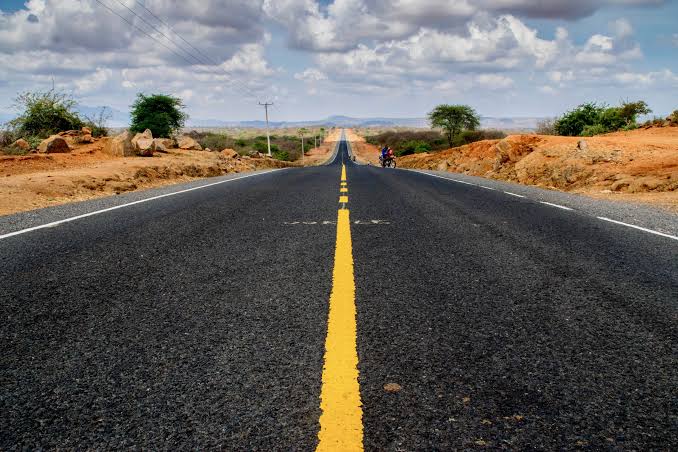
Setting the Strategy for Kenya National Highways Authority
Building the 2023 to 2028 Strategic Plan for KENHA, translating a national mandate into vision, themes, objectives, and actions the institution can be measured against.

Positioning RCGW for the Decade of Water Scarcity
Evaluated five years of delivery and built the strategy that positions the Regional Centre on Groundwater Resources as a continental knowledge hub for the resource the Horn of Africa depends on most.

Selecting 2K+ Young Agripreneurs Across Kenya
ACAL designed and delivered the selection of 2,080 youth incubatees for the AfDB-financed ENABLE Youth Kenya agribusiness programme, using psychometric assessment across eight regional centres.

Building a Regional Framework for TVET
Inter-Institutional Collaboration Framework for EASTRIP TVET institutions, connecting training providers, governments, industry, and regulators across East Africa.
The Skills Gap Behind Off-Grid Energy
Fourteen underserved counties, one national energy programme, and the question every project appraisal document assumes has already been answered: can the institutions delivering this actually do it?
Counting What Flood Protection Delivered
Eight years of investment in flood mitigation and community-driven development across western Kenya, assessed where it either worked or did not: inside the households living on the floodplain.
Setting the Strategy for Kenya National Highways Authority
Building the 2023 to 2028 Strategic Plan for KENHA, translating a national mandate into vision, themes, objectives, and actions the institution can be measured against.
Positioning RCGW for the Decade of Water Scarcity
Evaluated five years of delivery and built the strategy that positions the Regional Centre on Groundwater Resources as a continental knowledge hub for the resource the Horn of Africa depends on most.
Selecting 2K+ Young Agripreneurs Across Kenya
ACAL designed and delivered the selection of 2,080 youth incubatees for the AfDB-financed ENABLE Youth Kenya agribusiness programme, using psychometric assessment across eight regional centres.
Building a Regional Framework for TVET
Inter-Institutional Collaboration Framework for EASTRIP TVET institutions, connecting training providers, governments, industry, and regulators across East Africa.
The Skills Gap Behind Off-Grid Energy
Fourteen underserved counties, one national energy programme, and the question every project appraisal document assumes has already been answered: can the institutions delivering this actually do it?
Counting What Flood Protection Delivered
Eight years of investment in flood mitigation and community-driven development across western Kenya, assessed where it either worked or did not: inside the households living on the floodplain.
Setting the Strategy for Kenya National Highways Authority
Building the 2023 to 2028 Strategic Plan for KENHA, translating a national mandate into vision, themes, objectives, and actions the institution can be measured against.
Positioning RCGW for the Decade of Water Scarcity
Evaluated five years of delivery and built the strategy that positions the Regional Centre on Groundwater Resources as a continental knowledge hub for the resource the Horn of Africa depends on most.
Selecting 2K+ Young Agripreneurs Across Kenya
ACAL designed and delivered the selection of 2,080 youth incubatees for the AfDB-financed ENABLE Youth Kenya agribusiness programme, using psychometric assessment across eight regional centres.
Building a Regional Framework for TVET
Inter-Institutional Collaboration Framework for EASTRIP TVET institutions, connecting training providers, governments, industry, and regulators across East Africa.
The Skills Gap Behind Off-Grid Energy
Fourteen underserved counties, one national energy programme, and the question every project appraisal document assumes has already been answered: can the institutions delivering this actually do it?
Counting What Flood Protection Delivered
Eight years of investment in flood mitigation and community-driven development across western Kenya, assessed where it either worked or did not: inside the households living on the floodplain.
Setting the Strategy for Kenya National Highways Authority
Building the 2023 to 2028 Strategic Plan for KENHA, translating a national mandate into vision, themes, objectives, and actions the institution can be measured against.
Positioning RCGW for the Decade of Water Scarcity
Evaluated five years of delivery and built the strategy that positions the Regional Centre on Groundwater Resources as a continental knowledge hub for the resource the Horn of Africa depends on most.
Selecting 2K+ Young Agripreneurs Across Kenya
ACAL designed and delivered the selection of 2,080 youth incubatees for the AfDB-financed ENABLE Youth Kenya agribusiness programme, using psychometric assessment across eight regional centres.
Building a Regional Framework for TVET
Inter-Institutional Collaboration Framework for EASTRIP TVET institutions, connecting training providers, governments, industry, and regulators across East Africa.
The Skills Gap Behind Off-Grid Energy
Fourteen underserved counties, one national energy programme, and the question every project appraisal document assumes has already been answered: can the institutions delivering this actually do it?
Counting What Flood Protection Delivered
Eight years of investment in flood mitigation and community-driven development across western Kenya, assessed where it either worked or did not: inside the households living on the floodplain.
Setting the Strategy for Kenya National Highways Authority
Building the 2023 to 2028 Strategic Plan for KENHA, translating a national mandate into vision, themes, objectives, and actions the institution can be measured against.
Positioning RCGW for the Decade of Water Scarcity
Evaluated five years of delivery and built the strategy that positions the Regional Centre on Groundwater Resources as a continental knowledge hub for the resource the Horn of Africa depends on most.
Selecting 2K+ Young Agripreneurs Across Kenya
ACAL designed and delivered the selection of 2,080 youth incubatees for the AfDB-financed ENABLE Youth Kenya agribusiness programme, using psychometric assessment across eight regional centres.
Building a Regional Framework for TVET
Inter-Institutional Collaboration Framework for EASTRIP TVET institutions, connecting training providers, governments, industry, and regulators across East Africa.
The Skills Gap Behind Off-Grid Energy
Fourteen underserved counties, one national energy programme, and the question every project appraisal document assumes has already been answered: can the institutions delivering this actually do it?
Counting What Flood Protection Delivered
Eight years of investment in flood mitigation and community-driven development across western Kenya, assessed where it either worked or did not: inside the households living on the floodplain.
Setting the Strategy for Kenya National Highways Authority
Building the 2023 to 2028 Strategic Plan for KENHA, translating a national mandate into vision, themes, objectives, and actions the institution can be measured against.
Positioning RCGW for the Decade of Water Scarcity
Evaluated five years of delivery and built the strategy that positions the Regional Centre on Groundwater Resources as a continental knowledge hub for the resource the Horn of Africa depends on most.
Selecting 2K+ Young Agripreneurs Across Kenya
ACAL designed and delivered the selection of 2,080 youth incubatees for the AfDB-financed ENABLE Youth Kenya agribusiness programme, using psychometric assessment across eight regional centres.
Building a Regional Framework for TVET
Inter-Institutional Collaboration Framework for EASTRIP TVET institutions, connecting training providers, governments, industry, and regulators across East Africa.
The Skills Gap Behind Off-Grid Energy
Fourteen underserved counties, one national energy programme, and the question every project appraisal document assumes has already been answered: can the institutions delivering this actually do it?
Counting What Flood Protection Delivered
Eight years of investment in flood mitigation and community-driven development across western Kenya, assessed where it either worked or did not: inside the households living on the floodplain.
Setting the Strategy for Kenya National Highways Authority
Building the 2023 to 2028 Strategic Plan for KENHA, translating a national mandate into vision, themes, objectives, and actions the institution can be measured against.
Positioning RCGW for the Decade of Water Scarcity
Evaluated five years of delivery and built the strategy that positions the Regional Centre on Groundwater Resources as a continental knowledge hub for the resource the Horn of Africa depends on most.
Selecting 2K+ Young Agripreneurs Across Kenya
ACAL designed and delivered the selection of 2,080 youth incubatees for the AfDB-financed ENABLE Youth Kenya agribusiness programme, using psychometric assessment across eight regional centres.
Building a Regional Framework for TVET
Inter-Institutional Collaboration Framework for EASTRIP TVET institutions, connecting training providers, governments, industry, and regulators across East Africa.
The Skills Gap Behind Off-Grid Energy
Fourteen underserved counties, one national energy programme, and the question every project appraisal document assumes has already been answered: can the institutions delivering this actually do it?
Counting What Flood Protection Delivered
Eight years of investment in flood mitigation and community-driven development across western Kenya, assessed where it either worked or did not: inside the households living on the floodplain.
Setting the Strategy for Kenya National Highways Authority
Building the 2023 to 2028 Strategic Plan for KENHA, translating a national mandate into vision, themes, objectives, and actions the institution can be measured against.
Positioning RCGW for the Decade of Water Scarcity
Evaluated five years of delivery and built the strategy that positions the Regional Centre on Groundwater Resources as a continental knowledge hub for the resource the Horn of Africa depends on most.
Selecting 2K+ Young Agripreneurs Across Kenya
ACAL designed and delivered the selection of 2,080 youth incubatees for the AfDB-financed ENABLE Youth Kenya agribusiness programme, using psychometric assessment across eight regional centres.
Building a Regional Framework for TVET
Inter-Institutional Collaboration Framework for EASTRIP TVET institutions, connecting training providers, governments, industry, and regulators across East Africa.
The Skills Gap Behind Off-Grid Energy
Fourteen underserved counties, one national energy programme, and the question every project appraisal document assumes has already been answered: can the institutions delivering this actually do it?
Counting What Flood Protection Delivered
Eight years of investment in flood mitigation and community-driven development across western Kenya, assessed where it either worked or did not: inside the households living on the floodplain.
Setting the Strategy for Kenya National Highways Authority
Building the 2023 to 2028 Strategic Plan for KENHA, translating a national mandate into vision, themes, objectives, and actions the institution can be measured against.
Positioning RCGW for the Decade of Water Scarcity
Evaluated five years of delivery and built the strategy that positions the Regional Centre on Groundwater Resources as a continental knowledge hub for the resource the Horn of Africa depends on most.
Selecting 2K+ Young Agripreneurs Across Kenya
ACAL designed and delivered the selection of 2,080 youth incubatees for the AfDB-financed ENABLE Youth Kenya agribusiness programme, using psychometric assessment across eight regional centres.
Building a Regional Framework for TVET
Inter-Institutional Collaboration Framework for EASTRIP TVET institutions, connecting training providers, governments, industry, and regulators across East Africa.
The Skills Gap Behind Off-Grid Energy
Fourteen underserved counties, one national energy programme, and the question every project appraisal document assumes has already been answered: can the institutions delivering this actually do it?
Counting What Flood Protection Delivered
Eight years of investment in flood mitigation and community-driven development across western Kenya, assessed where it either worked or did not: inside the households living on the floodplain.
Setting the Strategy for Kenya National Highways Authority
Building the 2023 to 2028 Strategic Plan for KENHA, translating a national mandate into vision, themes, objectives, and actions the institution can be measured against.
Positioning RCGW for the Decade of Water Scarcity
Evaluated five years of delivery and built the strategy that positions the Regional Centre on Groundwater Resources as a continental knowledge hub for the resource the Horn of Africa depends on most.
Selecting 2K+ Young Agripreneurs Across Kenya
ACAL designed and delivered the selection of 2,080 youth incubatees for the AfDB-financed ENABLE Youth Kenya agribusiness programme, using psychometric assessment across eight regional centres.
Building a Regional Framework for TVET
Inter-Institutional Collaboration Framework for EASTRIP TVET institutions, connecting training providers, governments, industry, and regulators across East Africa.
The Skills Gap Behind Off-Grid Energy
Fourteen underserved counties, one national energy programme, and the question every project appraisal document assumes has already been answered: can the institutions delivering this actually do it?
Counting What Flood Protection Delivered
Eight years of investment in flood mitigation and community-driven development across western Kenya, assessed where it either worked or did not: inside the households living on the floodplain.
Setting the Strategy for Kenya National Highways Authority
Building the 2023 to 2028 Strategic Plan for KENHA, translating a national mandate into vision, themes, objectives, and actions the institution can be measured against.
Positioning RCGW for the Decade of Water Scarcity
Evaluated five years of delivery and built the strategy that positions the Regional Centre on Groundwater Resources as a continental knowledge hub for the resource the Horn of Africa depends on most.
Selecting 2K+ Young Agripreneurs Across Kenya
ACAL designed and delivered the selection of 2,080 youth incubatees for the AfDB-financed ENABLE Youth Kenya agribusiness programme, using psychometric assessment across eight regional centres.
Building a Regional Framework for TVET
Inter-Institutional Collaboration Framework for EASTRIP TVET institutions, connecting training providers, governments, industry, and regulators across East Africa.
The Skills Gap Behind Off-Grid Energy
Fourteen underserved counties, one national energy programme, and the question every project appraisal document assumes has already been answered: can the institutions delivering this actually do it?
Counting What Flood Protection Delivered
Eight years of investment in flood mitigation and community-driven development across western Kenya, assessed where it either worked or did not: inside the households living on the floodplain.
Setting the Strategy for Kenya National Highways Authority
Building the 2023 to 2028 Strategic Plan for KENHA, translating a national mandate into vision, themes, objectives, and actions the institution can be measured against.
Positioning RCGW for the Decade of Water Scarcity
Evaluated five years of delivery and built the strategy that positions the Regional Centre on Groundwater Resources as a continental knowledge hub for the resource the Horn of Africa depends on most.
Selecting 2K+ Young Agripreneurs Across Kenya
ACAL designed and delivered the selection of 2,080 youth incubatees for the AfDB-financed ENABLE Youth Kenya agribusiness programme, using psychometric assessment across eight regional centres.
Building a Regional Framework for TVET
Inter-Institutional Collaboration Framework for EASTRIP TVET institutions, connecting training providers, governments, industry, and regulators across East Africa.
Change the Game
Work with Experts to Change the Game
Work with Experts to Change the Game
40+ major programmes delivered
100% project completion rate
GCF accredited · One of 54 worldwide