[Client Impact]
Sustainable Urban Economic Development Programme
[Client Impact]
Sustainable Urban Economic Development Programme

Overview
The Sustainable Urban Economic Development programme is one of the UK Government's largest urban investments in Kenya, designed to prepare secondary cities and emerging towns to lead the next decade of urban economic growth. ACAL delivered the capacity needs assessment that established the institutional baseline for ten participating municipalities and shaped the capacity building interventions that followed.
Lead consultant on the SUED Capacity Needs Assessment for ten participating municipalities.
Multi domain institutional diagnostic covering governance, technical capacity, finance, planning, and service delivery.
Field engagement with county and municipal leadership across diverse geographic and economic contexts.
Findings feeding directly into the SUED programme's municipal capacity building investments and Urban Economic Plans.

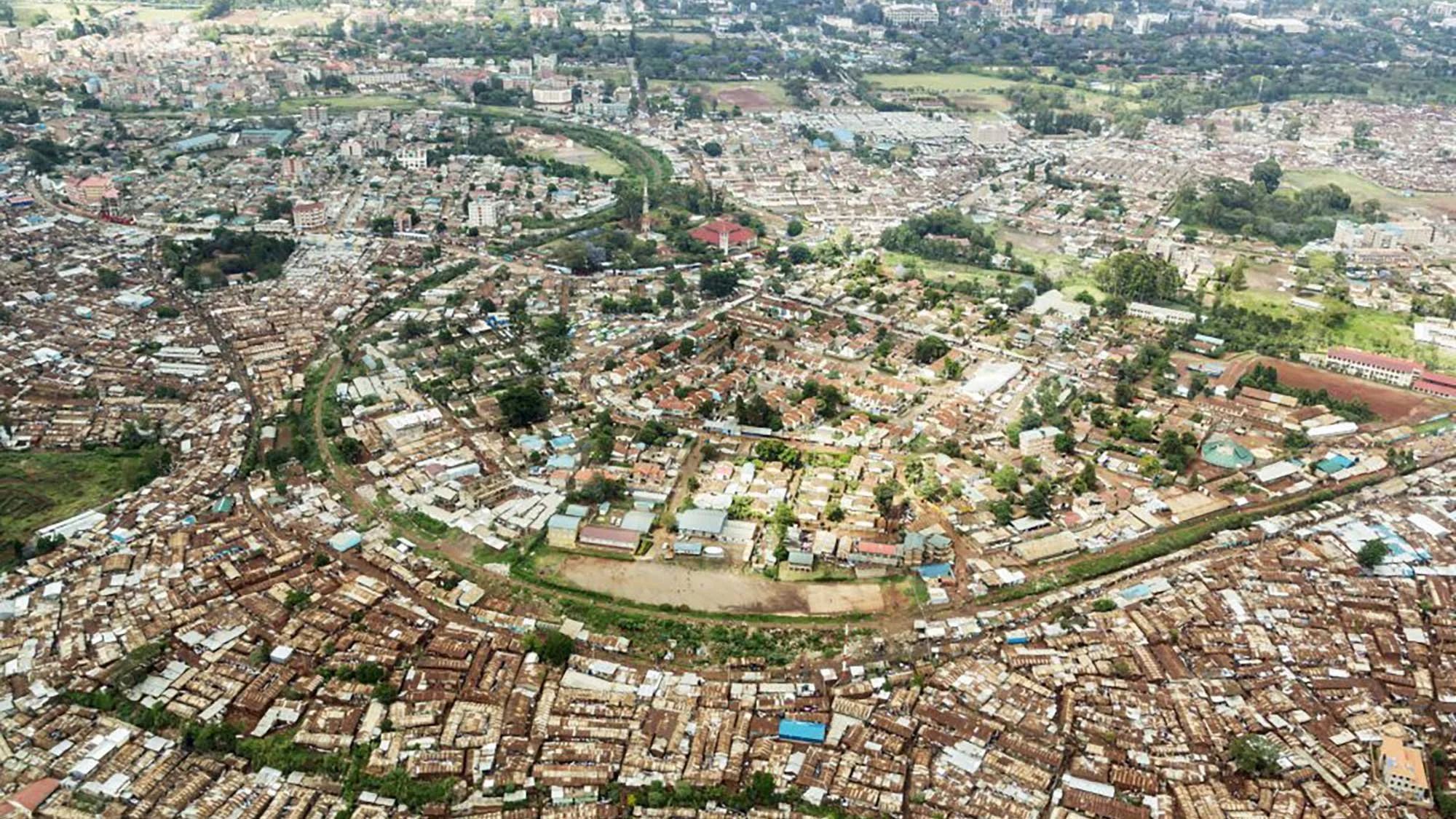


Client Context
The Sustainable Urban Economic Development programme is a UK Foreign, Commonwealth and Development Office investment supporting Kenya's secondary cities and emerging towns. The programme works with participating municipalities to develop Urban Economic Plans, design climate resilient infrastructure projects, strengthen value chains, and build the institutional capability that allows urban economies to grow on a sustainable footing.
The programme is anchored in a deliberate choice. Rather than concentrating UK urban investment in Nairobi and Mombasa, SUED works in the cities and towns that will carry much of Kenya's urban population growth over the next two decades. These are the urban centres where the gap between economic potential and institutional capacity is largest, and where investment in capacity can compound the fastest.
The credibility of the programme depends on a clear, evidence based reading of where each participating municipality actually sits on the capacity curve. That is the work ACAL was retained to deliver.
The Challenge
SUED needed a capacity assessment that was rigorous enough to support multi year investment decisions and consistent enough to allow cross municipality comparison, while remaining sensitive to the substantial differences between the participating towns. Mandera and Malindi do not face the same constraints. Wote and Iten do not have the same opportunities. A standardised template applied uniformly would have produced a misleading picture of either.
The assessment also had to cover the full operational range of municipal capability. Governance and political economy. Technical staffing and skills. Public financial management. Spatial and economic planning. Service delivery systems. Public participation and community engagement. Climate and environmental management. ICT and data infrastructure. Each domain had to be assessed against a defensible standard, in a way that the programme team could use to design capacity building interventions targeted to each municipality's specific gaps.
Finally, the work had to be delivered in a way that built ownership inside the municipalities themselves, rather than producing an external report that would sit in a programme file. Municipal officials needed to see themselves in the findings and own the gaps they were being asked to close.
Our Approach
ACAL designed the assessment around a single integrated framework that could be applied consistently across all ten municipalities while accommodating the genuine differences between them. The methodology was institutional diagnostic in form, but participatory in execution, so that municipal teams were partners in the analysis rather than respondents to it.
Integrated diagnostic framework spanning governance, finance, planning, service delivery, and capacity systems.
Standardised assessment instruments calibrated to allow defensible cross municipality comparison.
Standardised assessment instruments calibrated to allow defensible cross municipality comparison.
Findings benchmarked against the institutional standards required to deliver SUED Urban Economic Plans and Climate Resilient Infrastructure projects.
Solution Delivered
ACAL produced a complete capacity diagnostic for each of the ten participating municipalities, alongside a programme level synthesis that allowed SUED's leadership to see the portfolio of capacity gaps and the portfolio of capacity building priorities as a whole. Each municipal report named specific gaps, identified existing strengths to build on, and proposed targeted capacity building interventions sequenced against the SUED implementation timeline. The programme level synthesis aggregated the patterns across municipalities and identified the systemic constraints that SUED's capacity building investment would need to address.
$96.7M
Total Investment Secured
$96.7M
Total Investment Secured
85K
Total Jobs Projected
85K
Total Jobs Projected
19
Active Frameworks
19
Active Frameworks
10
Municipalities Assessed
10
Municipalities Assessed

Impact
The capacity assessment converted a politically attractive programme idea into an operationally executable one. SUED's leadership team moved from a generalised view of municipal capacity in Kenya to a precise reading of where each participating municipality sat, what it needed, and how the capacity building investment should be sequenced over the programme cycle.
The assessment also produced shared evidence between SUED and the municipalities themselves. Capacity diagnostic findings that municipal teams have signed off on are more durable than findings imposed from outside. The participatory design of the methodology was deliberate. It produced a baseline that the programme could measure against, and that municipal leaders were prepared to own.
For the UK FCDO, the assessment provided the rigour to justify continued investment in the SUED model. Secondary city and emerging town investment is, on its face, a longer pay off than capital city investment. The capacity baseline ACAL produced is the evidence base that supports the patience that strategy requires.
Key Takeaways
Capacity is the binding constraint in secondary city investment
Secondary cities and emerging towns are the most consequential urban category for Kenya's next two decades. They are also the urban category where capacity gaps are largest. Programme designs that assume capacity will arrive with the investment consistently underperform. Programmes that diagnose capacity first and design investment around what each municipality can actually absorb consistently outperform. SUED chose the second model and the capacity assessment is the foundation of that choice.
Standardised frameworks need to flex to local context
Cross municipality comparison requires a standardised assessment instrument. Useful insight requires contextual adaptation. The two requirements are often presented as a trade off. They are not. A well designed framework can hold the comparison architecture in the standardised tier and the contextual nuance in the qualitative tier. The SUED assessment was built around this structure and produced findings that were both comparable and locally credible.
Participatory diagnostics produce durable findings
Municipal teams that see themselves in the analysis are more likely to act on it. The SUED assessment was designed to engage municipal leadership and technical staff as partners in the analytical process, not as subjects of it. The result was a set of findings that municipal teams could defend, programme designers could rely on, and the donor could fund against. The participatory design is what makes the work durable beyond the report submission.
The portfolio view is the strategic product
The single most valuable output of the SUED capacity assessment was not the individual municipal reports. It was the portfolio level synthesis that allowed SUED leadership to see the patterns across all ten municipalities and design capacity building investment as a coherent programme rather than ten separate engagements. Multi municipality assessments compound in value when they are designed to produce the portfolio synthesis as an explicit deliverable, not as a byproduct of the individual reports.
Sector: Urban Development, Institutional Capacity, Municipal Governance | Funder: UK Foreign, Commonwealth and Development Office (FCDO) | Geography: Kenya, 10 participating municipalities | ACAL Role: Lead Capacity Needs Assessment Firm
How We Helped Clients Grow Smarter
How We Helped Clients Grow Smarter
How We Helped Clients Grow Smarter

The Skills Gap Behind Off-Grid Energy
Fourteen underserved counties, one national energy programme, and the question every project appraisal document assumes has already been answered: can the institutions delivering this actually do it?

Counting What Flood Protection Delivered
Eight years of investment in flood mitigation and community-driven development across western Kenya, assessed where it either worked or did not: inside the households living on the floodplain.
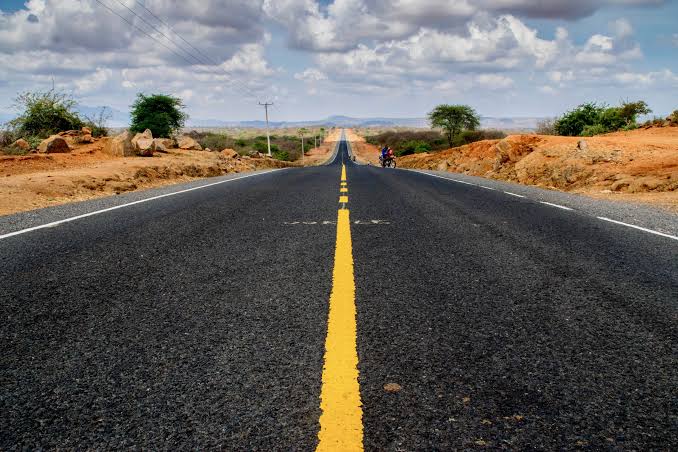
Setting the Strategy for Kenya National Highways Authority
Building the 2023 to 2028 Strategic Plan for KENHA, translating a national mandate into vision, themes, objectives, and actions the institution can be measured against.

Positioning RCGW for the Decade of Water Scarcity
Evaluated five years of delivery and built the strategy that positions the Regional Centre on Groundwater Resources as a continental knowledge hub for the resource the Horn of Africa depends on most.

Selecting 2K+ Young Agripreneurs Across Kenya
ACAL designed and delivered the selection of 2,080 youth incubatees for the AfDB-financed ENABLE Youth Kenya agribusiness programme, using psychometric assessment across eight regional centres.

Building a Regional Framework for TVET
Inter-Institutional Collaboration Framework for EASTRIP TVET institutions, connecting training providers, governments, industry, and regulators across East Africa.
The Skills Gap Behind Off-Grid Energy
Fourteen underserved counties, one national energy programme, and the question every project appraisal document assumes has already been answered: can the institutions delivering this actually do it?
Counting What Flood Protection Delivered
Eight years of investment in flood mitigation and community-driven development across western Kenya, assessed where it either worked or did not: inside the households living on the floodplain.
Setting the Strategy for Kenya National Highways Authority
Building the 2023 to 2028 Strategic Plan for KENHA, translating a national mandate into vision, themes, objectives, and actions the institution can be measured against.
Positioning RCGW for the Decade of Water Scarcity
Evaluated five years of delivery and built the strategy that positions the Regional Centre on Groundwater Resources as a continental knowledge hub for the resource the Horn of Africa depends on most.
Selecting 2K+ Young Agripreneurs Across Kenya
ACAL designed and delivered the selection of 2,080 youth incubatees for the AfDB-financed ENABLE Youth Kenya agribusiness programme, using psychometric assessment across eight regional centres.
Building a Regional Framework for TVET
Inter-Institutional Collaboration Framework for EASTRIP TVET institutions, connecting training providers, governments, industry, and regulators across East Africa.
The Skills Gap Behind Off-Grid Energy
Fourteen underserved counties, one national energy programme, and the question every project appraisal document assumes has already been answered: can the institutions delivering this actually do it?
Counting What Flood Protection Delivered
Eight years of investment in flood mitigation and community-driven development across western Kenya, assessed where it either worked or did not: inside the households living on the floodplain.
Setting the Strategy for Kenya National Highways Authority
Building the 2023 to 2028 Strategic Plan for KENHA, translating a national mandate into vision, themes, objectives, and actions the institution can be measured against.
Positioning RCGW for the Decade of Water Scarcity
Evaluated five years of delivery and built the strategy that positions the Regional Centre on Groundwater Resources as a continental knowledge hub for the resource the Horn of Africa depends on most.
Selecting 2K+ Young Agripreneurs Across Kenya
ACAL designed and delivered the selection of 2,080 youth incubatees for the AfDB-financed ENABLE Youth Kenya agribusiness programme, using psychometric assessment across eight regional centres.
Building a Regional Framework for TVET
Inter-Institutional Collaboration Framework for EASTRIP TVET institutions, connecting training providers, governments, industry, and regulators across East Africa.
The Skills Gap Behind Off-Grid Energy
Fourteen underserved counties, one national energy programme, and the question every project appraisal document assumes has already been answered: can the institutions delivering this actually do it?
Counting What Flood Protection Delivered
Eight years of investment in flood mitigation and community-driven development across western Kenya, assessed where it either worked or did not: inside the households living on the floodplain.
Setting the Strategy for Kenya National Highways Authority
Building the 2023 to 2028 Strategic Plan for KENHA, translating a national mandate into vision, themes, objectives, and actions the institution can be measured against.
Positioning RCGW for the Decade of Water Scarcity
Evaluated five years of delivery and built the strategy that positions the Regional Centre on Groundwater Resources as a continental knowledge hub for the resource the Horn of Africa depends on most.
Selecting 2K+ Young Agripreneurs Across Kenya
ACAL designed and delivered the selection of 2,080 youth incubatees for the AfDB-financed ENABLE Youth Kenya agribusiness programme, using psychometric assessment across eight regional centres.
Building a Regional Framework for TVET
Inter-Institutional Collaboration Framework for EASTRIP TVET institutions, connecting training providers, governments, industry, and regulators across East Africa.
The Skills Gap Behind Off-Grid Energy
Fourteen underserved counties, one national energy programme, and the question every project appraisal document assumes has already been answered: can the institutions delivering this actually do it?
Counting What Flood Protection Delivered
Eight years of investment in flood mitigation and community-driven development across western Kenya, assessed where it either worked or did not: inside the households living on the floodplain.
Setting the Strategy for Kenya National Highways Authority
Building the 2023 to 2028 Strategic Plan for KENHA, translating a national mandate into vision, themes, objectives, and actions the institution can be measured against.
Positioning RCGW for the Decade of Water Scarcity
Evaluated five years of delivery and built the strategy that positions the Regional Centre on Groundwater Resources as a continental knowledge hub for the resource the Horn of Africa depends on most.
Selecting 2K+ Young Agripreneurs Across Kenya
ACAL designed and delivered the selection of 2,080 youth incubatees for the AfDB-financed ENABLE Youth Kenya agribusiness programme, using psychometric assessment across eight regional centres.
Building a Regional Framework for TVET
Inter-Institutional Collaboration Framework for EASTRIP TVET institutions, connecting training providers, governments, industry, and regulators across East Africa.
The Skills Gap Behind Off-Grid Energy
Fourteen underserved counties, one national energy programme, and the question every project appraisal document assumes has already been answered: can the institutions delivering this actually do it?
Counting What Flood Protection Delivered
Eight years of investment in flood mitigation and community-driven development across western Kenya, assessed where it either worked or did not: inside the households living on the floodplain.
Setting the Strategy for Kenya National Highways Authority
Building the 2023 to 2028 Strategic Plan for KENHA, translating a national mandate into vision, themes, objectives, and actions the institution can be measured against.
Positioning RCGW for the Decade of Water Scarcity
Evaluated five years of delivery and built the strategy that positions the Regional Centre on Groundwater Resources as a continental knowledge hub for the resource the Horn of Africa depends on most.
Selecting 2K+ Young Agripreneurs Across Kenya
ACAL designed and delivered the selection of 2,080 youth incubatees for the AfDB-financed ENABLE Youth Kenya agribusiness programme, using psychometric assessment across eight regional centres.
Building a Regional Framework for TVET
Inter-Institutional Collaboration Framework for EASTRIP TVET institutions, connecting training providers, governments, industry, and regulators across East Africa.
The Skills Gap Behind Off-Grid Energy
Fourteen underserved counties, one national energy programme, and the question every project appraisal document assumes has already been answered: can the institutions delivering this actually do it?
Counting What Flood Protection Delivered
Eight years of investment in flood mitigation and community-driven development across western Kenya, assessed where it either worked or did not: inside the households living on the floodplain.
Setting the Strategy for Kenya National Highways Authority
Building the 2023 to 2028 Strategic Plan for KENHA, translating a national mandate into vision, themes, objectives, and actions the institution can be measured against.
Positioning RCGW for the Decade of Water Scarcity
Evaluated five years of delivery and built the strategy that positions the Regional Centre on Groundwater Resources as a continental knowledge hub for the resource the Horn of Africa depends on most.
Selecting 2K+ Young Agripreneurs Across Kenya
ACAL designed and delivered the selection of 2,080 youth incubatees for the AfDB-financed ENABLE Youth Kenya agribusiness programme, using psychometric assessment across eight regional centres.
Building a Regional Framework for TVET
Inter-Institutional Collaboration Framework for EASTRIP TVET institutions, connecting training providers, governments, industry, and regulators across East Africa.
The Skills Gap Behind Off-Grid Energy
Fourteen underserved counties, one national energy programme, and the question every project appraisal document assumes has already been answered: can the institutions delivering this actually do it?
Counting What Flood Protection Delivered
Eight years of investment in flood mitigation and community-driven development across western Kenya, assessed where it either worked or did not: inside the households living on the floodplain.
Setting the Strategy for Kenya National Highways Authority
Building the 2023 to 2028 Strategic Plan for KENHA, translating a national mandate into vision, themes, objectives, and actions the institution can be measured against.
Positioning RCGW for the Decade of Water Scarcity
Evaluated five years of delivery and built the strategy that positions the Regional Centre on Groundwater Resources as a continental knowledge hub for the resource the Horn of Africa depends on most.
Selecting 2K+ Young Agripreneurs Across Kenya
ACAL designed and delivered the selection of 2,080 youth incubatees for the AfDB-financed ENABLE Youth Kenya agribusiness programme, using psychometric assessment across eight regional centres.
Building a Regional Framework for TVET
Inter-Institutional Collaboration Framework for EASTRIP TVET institutions, connecting training providers, governments, industry, and regulators across East Africa.
The Skills Gap Behind Off-Grid Energy
Fourteen underserved counties, one national energy programme, and the question every project appraisal document assumes has already been answered: can the institutions delivering this actually do it?
Counting What Flood Protection Delivered
Eight years of investment in flood mitigation and community-driven development across western Kenya, assessed where it either worked or did not: inside the households living on the floodplain.
Setting the Strategy for Kenya National Highways Authority
Building the 2023 to 2028 Strategic Plan for KENHA, translating a national mandate into vision, themes, objectives, and actions the institution can be measured against.
Positioning RCGW for the Decade of Water Scarcity
Evaluated five years of delivery and built the strategy that positions the Regional Centre on Groundwater Resources as a continental knowledge hub for the resource the Horn of Africa depends on most.
Selecting 2K+ Young Agripreneurs Across Kenya
ACAL designed and delivered the selection of 2,080 youth incubatees for the AfDB-financed ENABLE Youth Kenya agribusiness programme, using psychometric assessment across eight regional centres.
Building a Regional Framework for TVET
Inter-Institutional Collaboration Framework for EASTRIP TVET institutions, connecting training providers, governments, industry, and regulators across East Africa.
The Skills Gap Behind Off-Grid Energy
Fourteen underserved counties, one national energy programme, and the question every project appraisal document assumes has already been answered: can the institutions delivering this actually do it?
Counting What Flood Protection Delivered
Eight years of investment in flood mitigation and community-driven development across western Kenya, assessed where it either worked or did not: inside the households living on the floodplain.
Setting the Strategy for Kenya National Highways Authority
Building the 2023 to 2028 Strategic Plan for KENHA, translating a national mandate into vision, themes, objectives, and actions the institution can be measured against.
Positioning RCGW for the Decade of Water Scarcity
Evaluated five years of delivery and built the strategy that positions the Regional Centre on Groundwater Resources as a continental knowledge hub for the resource the Horn of Africa depends on most.
Selecting 2K+ Young Agripreneurs Across Kenya
ACAL designed and delivered the selection of 2,080 youth incubatees for the AfDB-financed ENABLE Youth Kenya agribusiness programme, using psychometric assessment across eight regional centres.
Building a Regional Framework for TVET
Inter-Institutional Collaboration Framework for EASTRIP TVET institutions, connecting training providers, governments, industry, and regulators across East Africa.
The Skills Gap Behind Off-Grid Energy
Fourteen underserved counties, one national energy programme, and the question every project appraisal document assumes has already been answered: can the institutions delivering this actually do it?
Counting What Flood Protection Delivered
Eight years of investment in flood mitigation and community-driven development across western Kenya, assessed where it either worked or did not: inside the households living on the floodplain.
Setting the Strategy for Kenya National Highways Authority
Building the 2023 to 2028 Strategic Plan for KENHA, translating a national mandate into vision, themes, objectives, and actions the institution can be measured against.
Positioning RCGW for the Decade of Water Scarcity
Evaluated five years of delivery and built the strategy that positions the Regional Centre on Groundwater Resources as a continental knowledge hub for the resource the Horn of Africa depends on most.
Selecting 2K+ Young Agripreneurs Across Kenya
ACAL designed and delivered the selection of 2,080 youth incubatees for the AfDB-financed ENABLE Youth Kenya agribusiness programme, using psychometric assessment across eight regional centres.
Building a Regional Framework for TVET
Inter-Institutional Collaboration Framework for EASTRIP TVET institutions, connecting training providers, governments, industry, and regulators across East Africa.
The Skills Gap Behind Off-Grid Energy
Fourteen underserved counties, one national energy programme, and the question every project appraisal document assumes has already been answered: can the institutions delivering this actually do it?
Counting What Flood Protection Delivered
Eight years of investment in flood mitigation and community-driven development across western Kenya, assessed where it either worked or did not: inside the households living on the floodplain.
Setting the Strategy for Kenya National Highways Authority
Building the 2023 to 2028 Strategic Plan for KENHA, translating a national mandate into vision, themes, objectives, and actions the institution can be measured against.
Positioning RCGW for the Decade of Water Scarcity
Evaluated five years of delivery and built the strategy that positions the Regional Centre on Groundwater Resources as a continental knowledge hub for the resource the Horn of Africa depends on most.
Selecting 2K+ Young Agripreneurs Across Kenya
ACAL designed and delivered the selection of 2,080 youth incubatees for the AfDB-financed ENABLE Youth Kenya agribusiness programme, using psychometric assessment across eight regional centres.
Building a Regional Framework for TVET
Inter-Institutional Collaboration Framework for EASTRIP TVET institutions, connecting training providers, governments, industry, and regulators across East Africa.
Change the Game
Work with Experts to Change the Game
Work with Experts to Change the Game
40+ major programmes delivered
100% project completion rate
GCF accredited · One of 54 worldwide