[Client Impact]
Irrigation Infrastructure at the Nguruman Escarpment
[Client Impact]
Irrigation Infrastructure at the Nguruman Escarpment
Overview
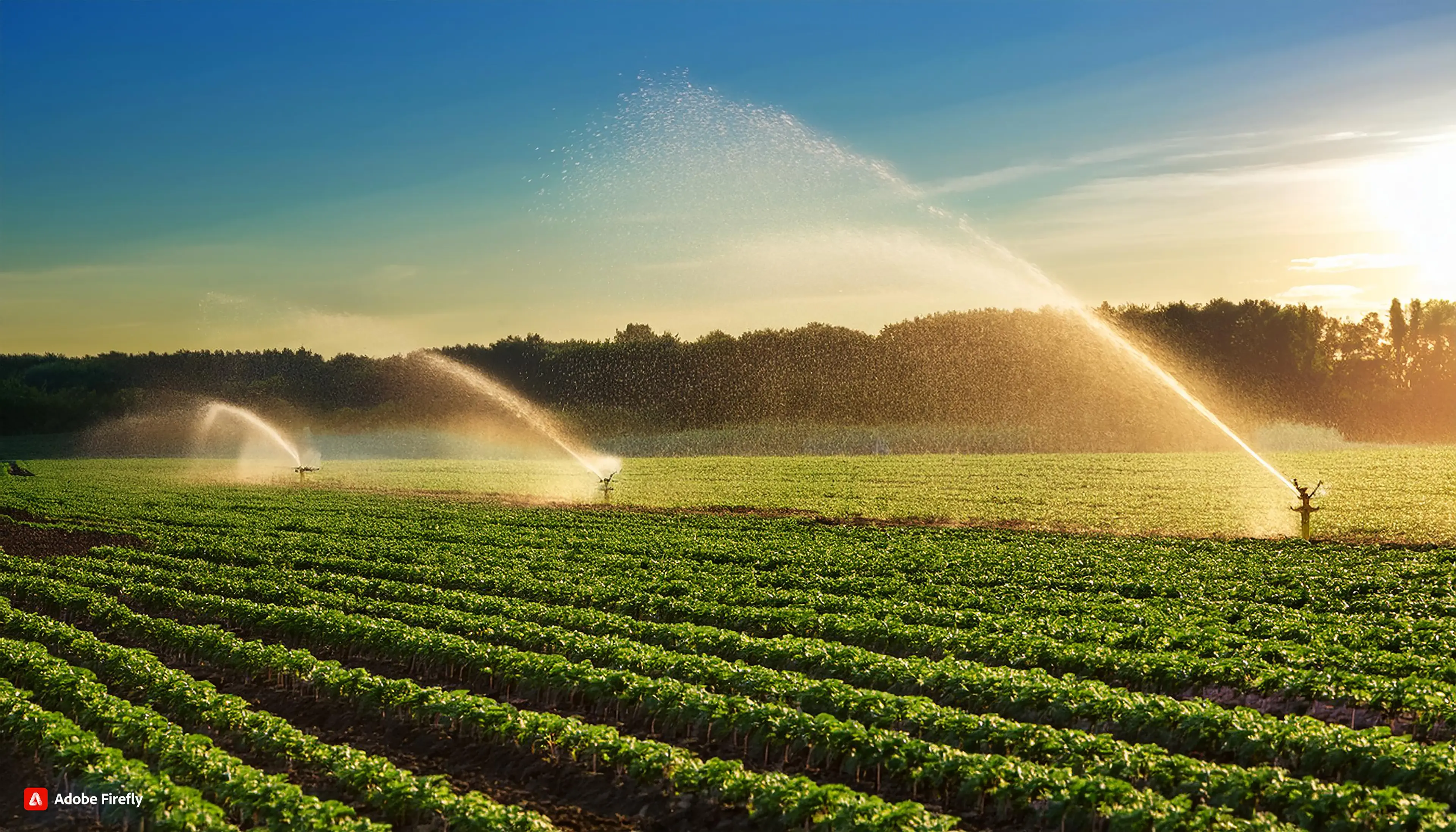
The National Irrigation Board commissioned ACAL Engineering to deliver the complete engineering and documentation package for the Nguruman Irrigation Development Project. The scheme sits below the Nguruman Escarpment in Kajiado County, where the Ewaso Ngiro river system creates conditions for irrigated agriculture that have remained under-exploited for lack of technical preparation. ACEL's mandate covered the full pre-construction lifecycle, from preliminary feasibility through detailed design to procurement-ready tender documents.
Pastoral Maasai communities in the Nguruman lowland with an engineered pathway into irrigated agricultural production
Escarpment lowland command area prepared for irrigated cultivation, opening a new agricultural frontier in Kajiado County
Geotechnical investigation completed for complex escarpment foundation conditions, dam sizing grounded in site-specific data
Construction-ready tender documentation enabling direct NIB procurement without further engineering preparation


Client Context
The National Irrigation Board's mandate is to develop irrigated agricultural land across Kenya, with particular focus on arid and semi-arid areas where water is available but under-managed. Kajiado County's Nguruman lowland has been identified as a zone of high irrigation potential for decades. Converting that potential into productive land required a full engineering investigation and design process that met NIB's procurement standards and the requirements of potential development financiers.
The Nguruman project was commissioned alongside the concurrent Narusura project in Narok County, both under the same NIB programme to systematically develop the Ewaso Ngiro downstream corridor. Each scheme was independently designed, reflecting the distinct hydrology, geology, and community context of its specific location.
The Challenge
The Nguruman Escarpment is one of Kenya's most geologically complex landscapes. The faulting history of the Rift Valley has created subsurface conditions below the escarpment face that can differ significantly from surface observations. Foundation investigation at the dam site was not a technical formality. It was the prerequisite for making credible decisions about dam type, foundation treatment, and reservoir integrity. A design produced without site-specific geotechnical data would carry engineering risk that NIB and any development financier would not accept.
Community engagement at Nguruman required careful design. The Maasai communities of the Nguruman area have governed land and water under pastoral systems for generations. Those systems are not always visible in administrative records, but they determine where infrastructure can be sited, how water rights are allocated, and what crop and management systems will receive community acceptance. An irrigation scheme designed without engaging those systems produces infrastructure that communities resist rather than operate.
The economic analysis had to reflect Nguruman's specific agricultural market context, including crop options suited to the escarpment lowland soils, realistic timelines for pastoral-to-agricultural transition, and the market connectivity constraints that affect producer returns in a relatively isolated landscape.
Our Approach
ACEL's approach at Nguruman followed the same phased methodology applied at Narusura, adapted to the specific conditions of the Kajiado site: the geological complexity of the escarpment, the pastoral community land tenure context, and an agricultural economics model suited to the Nguruman market environment.
Preliminary feasibility identifying at least three development options, assessed against water availability, land suitability, and the pastoral community context of the Nguruman area
Detailed feasibility study and economic analysis, including comparison of conveyance technologies and assessment of farmer management viability for Maasai communities
Hydrological and geotechnical investigation with priority given to the complex subsurface conditions created by the escarpment's structural geology
Detailed engineering design, ESIA, and complete tender documentation structured for direct construction procurement by NIB
Solution Delivered
ACEL delivered a complete engineering package for the Nguruman Irrigation Development Project: feasibility study reports, hydrological and geotechnical investigation reports, detailed engineering designs and working drawings, the full ESIA with environmental management plan, and complete construction tender documents. NIB received a direct pathway from consultancy completion to construction procurement.
When construction proceeds to ACAL's designs, the Nguruman scheme will establish the first large-scale managed water supply for irrigated agriculture in the Rift Valley lowland below the escarpment. For the pastoral communities of the Nguruman area, it represents a structural economic diversification that is not possible without engineered water infrastructure. The scheme converts a landscape endowment, significant water resources and flat, irrigable land, into an agricultural asset that supports food security and income generation on a permanent basis.
The engagement was led by Eng. Patrick Wambuki, coordinating a twelve-person specialist team across all technical and social disciplines the Nguruman scheme required.
4
Counties Covered
4
Counties Covered
396M
Scheme Construction Value
396M
Scheme Construction Value
10,000
Farmers Benefiting from the Scheme
10,000
Farmers Benefiting from the Scheme
800 Ha
Irrigation Command Area
800 Ha
Irrigation Command Area
Impact
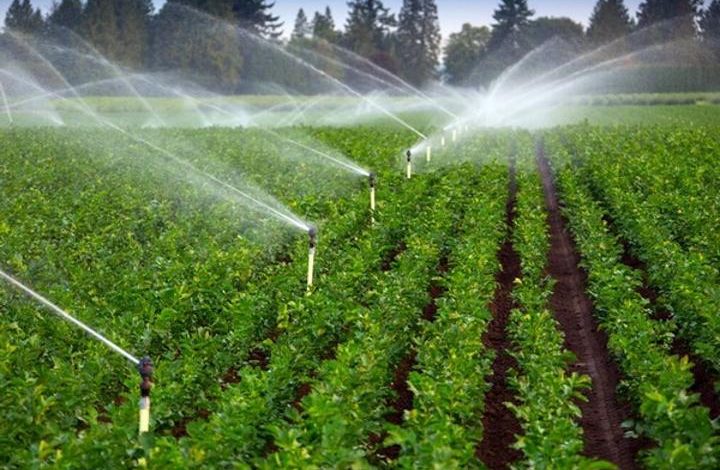
The Nguruman scheme is engineering of strategic national significance. Kenya’s food security depends in part on bringing under-exploited irrigation potential into productive use, and the Ewaso Ngiro corridor in Kajiado County is among the country’s most significant undeveloped agricultural frontiers. ACAL’s documentation gives NIB the technical foundation to move from potential to investment.
Key Takeaways
Foundation investigation is not a formality at escarpment sites
The structural geology of the Nguruman Escarpment creates subsurface conditions that surface surveys cannot reliably predict. ACAL’s early prioritisation of geotechnical investigation at the dam site ensured that the detailed design was grounded in what the geology actually supported, not what preliminary mapping suggested. A dam foundation that is discovered to be inadequate after detailed design is complete has already cost the project millions in rework. ACEL’s sequencing prevented that.
Pastoral land governance has engineering implications
Irrigation development in Maasai pastoral areas is not a variant of smallholder irrigation. It is a fundamentally different engineering and social challenge. Where to site a dam, how to demarcate an irrigation command area, what water governance arrangements will actually function at community level, and what crops the transition to irrigated farming can realistically start with: all of these questions have answers that are specific to the pastoral land governance systems of the Nguruman area. ACAL’s feasibility work engaged those systems and built the answers into the design.
Sector: Irrigation Engineering, Water, Agriculture | Client: National Irrigation Board | Geography: Kajiado County, Kenya | ACAL Role: Lead Engineering Consultant | Contract Value: USD 829.1K | Tender Reference: NIB/T/048/2014-2015
How We Helped Clients Grow Smarter
How We Helped Clients Grow Smarter
How We Helped Clients Grow Smarter

The Skills Gap Behind Off-Grid Energy
Fourteen underserved counties, one national energy programme, and the question every project appraisal document assumes has already been answered: can the institutions delivering this actually do it?

Counting What Flood Protection Delivered
Eight years of investment in flood mitigation and community-driven development across western Kenya, assessed where it either worked or did not: inside the households living on the floodplain.
Setting the Strategy for Kenya National Highways Authority
Building the 2023 to 2028 Strategic Plan for KENHA, translating a national mandate into vision, themes, objectives, and actions the institution can be measured against.

Positioning RCGW for the Decade of Water Scarcity
Evaluated five years of delivery and built the strategy that positions the Regional Centre on Groundwater Resources as a continental knowledge hub for the resource the Horn of Africa depends on most.

Selecting 2K+ Young Agripreneurs Across Kenya
ACAL designed and delivered the selection of 2,080 youth incubatees for the AfDB-financed ENABLE Youth Kenya agribusiness programme, using psychometric assessment across eight regional centres.

Building a Regional Framework for TVET
Inter-Institutional Collaboration Framework for EASTRIP TVET institutions, connecting training providers, governments, industry, and regulators across East Africa.
The Skills Gap Behind Off-Grid Energy
Fourteen underserved counties, one national energy programme, and the question every project appraisal document assumes has already been answered: can the institutions delivering this actually do it?
Counting What Flood Protection Delivered
Eight years of investment in flood mitigation and community-driven development across western Kenya, assessed where it either worked or did not: inside the households living on the floodplain.
Setting the Strategy for Kenya National Highways Authority
Building the 2023 to 2028 Strategic Plan for KENHA, translating a national mandate into vision, themes, objectives, and actions the institution can be measured against.
Positioning RCGW for the Decade of Water Scarcity
Evaluated five years of delivery and built the strategy that positions the Regional Centre on Groundwater Resources as a continental knowledge hub for the resource the Horn of Africa depends on most.
Selecting 2K+ Young Agripreneurs Across Kenya
ACAL designed and delivered the selection of 2,080 youth incubatees for the AfDB-financed ENABLE Youth Kenya agribusiness programme, using psychometric assessment across eight regional centres.
Building a Regional Framework for TVET
Inter-Institutional Collaboration Framework for EASTRIP TVET institutions, connecting training providers, governments, industry, and regulators across East Africa.
The Skills Gap Behind Off-Grid Energy
Fourteen underserved counties, one national energy programme, and the question every project appraisal document assumes has already been answered: can the institutions delivering this actually do it?
Counting What Flood Protection Delivered
Eight years of investment in flood mitigation and community-driven development across western Kenya, assessed where it either worked or did not: inside the households living on the floodplain.
Setting the Strategy for Kenya National Highways Authority
Building the 2023 to 2028 Strategic Plan for KENHA, translating a national mandate into vision, themes, objectives, and actions the institution can be measured against.
Positioning RCGW for the Decade of Water Scarcity
Evaluated five years of delivery and built the strategy that positions the Regional Centre on Groundwater Resources as a continental knowledge hub for the resource the Horn of Africa depends on most.
Selecting 2K+ Young Agripreneurs Across Kenya
ACAL designed and delivered the selection of 2,080 youth incubatees for the AfDB-financed ENABLE Youth Kenya agribusiness programme, using psychometric assessment across eight regional centres.
Building a Regional Framework for TVET
Inter-Institutional Collaboration Framework for EASTRIP TVET institutions, connecting training providers, governments, industry, and regulators across East Africa.
The Skills Gap Behind Off-Grid Energy
Fourteen underserved counties, one national energy programme, and the question every project appraisal document assumes has already been answered: can the institutions delivering this actually do it?
Counting What Flood Protection Delivered
Eight years of investment in flood mitigation and community-driven development across western Kenya, assessed where it either worked or did not: inside the households living on the floodplain.
Setting the Strategy for Kenya National Highways Authority
Building the 2023 to 2028 Strategic Plan for KENHA, translating a national mandate into vision, themes, objectives, and actions the institution can be measured against.
Positioning RCGW for the Decade of Water Scarcity
Evaluated five years of delivery and built the strategy that positions the Regional Centre on Groundwater Resources as a continental knowledge hub for the resource the Horn of Africa depends on most.
Selecting 2K+ Young Agripreneurs Across Kenya
ACAL designed and delivered the selection of 2,080 youth incubatees for the AfDB-financed ENABLE Youth Kenya agribusiness programme, using psychometric assessment across eight regional centres.
Building a Regional Framework for TVET
Inter-Institutional Collaboration Framework for EASTRIP TVET institutions, connecting training providers, governments, industry, and regulators across East Africa.
The Skills Gap Behind Off-Grid Energy
Fourteen underserved counties, one national energy programme, and the question every project appraisal document assumes has already been answered: can the institutions delivering this actually do it?
Counting What Flood Protection Delivered
Eight years of investment in flood mitigation and community-driven development across western Kenya, assessed where it either worked or did not: inside the households living on the floodplain.
Setting the Strategy for Kenya National Highways Authority
Building the 2023 to 2028 Strategic Plan for KENHA, translating a national mandate into vision, themes, objectives, and actions the institution can be measured against.
Positioning RCGW for the Decade of Water Scarcity
Evaluated five years of delivery and built the strategy that positions the Regional Centre on Groundwater Resources as a continental knowledge hub for the resource the Horn of Africa depends on most.
Selecting 2K+ Young Agripreneurs Across Kenya
ACAL designed and delivered the selection of 2,080 youth incubatees for the AfDB-financed ENABLE Youth Kenya agribusiness programme, using psychometric assessment across eight regional centres.
Building a Regional Framework for TVET
Inter-Institutional Collaboration Framework for EASTRIP TVET institutions, connecting training providers, governments, industry, and regulators across East Africa.
The Skills Gap Behind Off-Grid Energy
Fourteen underserved counties, one national energy programme, and the question every project appraisal document assumes has already been answered: can the institutions delivering this actually do it?
Counting What Flood Protection Delivered
Eight years of investment in flood mitigation and community-driven development across western Kenya, assessed where it either worked or did not: inside the households living on the floodplain.
Setting the Strategy for Kenya National Highways Authority
Building the 2023 to 2028 Strategic Plan for KENHA, translating a national mandate into vision, themes, objectives, and actions the institution can be measured against.
Positioning RCGW for the Decade of Water Scarcity
Evaluated five years of delivery and built the strategy that positions the Regional Centre on Groundwater Resources as a continental knowledge hub for the resource the Horn of Africa depends on most.
Selecting 2K+ Young Agripreneurs Across Kenya
ACAL designed and delivered the selection of 2,080 youth incubatees for the AfDB-financed ENABLE Youth Kenya agribusiness programme, using psychometric assessment across eight regional centres.
Building a Regional Framework for TVET
Inter-Institutional Collaboration Framework for EASTRIP TVET institutions, connecting training providers, governments, industry, and regulators across East Africa.
The Skills Gap Behind Off-Grid Energy
Fourteen underserved counties, one national energy programme, and the question every project appraisal document assumes has already been answered: can the institutions delivering this actually do it?
Counting What Flood Protection Delivered
Eight years of investment in flood mitigation and community-driven development across western Kenya, assessed where it either worked or did not: inside the households living on the floodplain.
Setting the Strategy for Kenya National Highways Authority
Building the 2023 to 2028 Strategic Plan for KENHA, translating a national mandate into vision, themes, objectives, and actions the institution can be measured against.
Positioning RCGW for the Decade of Water Scarcity
Evaluated five years of delivery and built the strategy that positions the Regional Centre on Groundwater Resources as a continental knowledge hub for the resource the Horn of Africa depends on most.
Selecting 2K+ Young Agripreneurs Across Kenya
ACAL designed and delivered the selection of 2,080 youth incubatees for the AfDB-financed ENABLE Youth Kenya agribusiness programme, using psychometric assessment across eight regional centres.
Building a Regional Framework for TVET
Inter-Institutional Collaboration Framework for EASTRIP TVET institutions, connecting training providers, governments, industry, and regulators across East Africa.
The Skills Gap Behind Off-Grid Energy
Fourteen underserved counties, one national energy programme, and the question every project appraisal document assumes has already been answered: can the institutions delivering this actually do it?
Counting What Flood Protection Delivered
Eight years of investment in flood mitigation and community-driven development across western Kenya, assessed where it either worked or did not: inside the households living on the floodplain.
Setting the Strategy for Kenya National Highways Authority
Building the 2023 to 2028 Strategic Plan for KENHA, translating a national mandate into vision, themes, objectives, and actions the institution can be measured against.
Positioning RCGW for the Decade of Water Scarcity
Evaluated five years of delivery and built the strategy that positions the Regional Centre on Groundwater Resources as a continental knowledge hub for the resource the Horn of Africa depends on most.
Selecting 2K+ Young Agripreneurs Across Kenya
ACAL designed and delivered the selection of 2,080 youth incubatees for the AfDB-financed ENABLE Youth Kenya agribusiness programme, using psychometric assessment across eight regional centres.
Building a Regional Framework for TVET
Inter-Institutional Collaboration Framework for EASTRIP TVET institutions, connecting training providers, governments, industry, and regulators across East Africa.
The Skills Gap Behind Off-Grid Energy
Fourteen underserved counties, one national energy programme, and the question every project appraisal document assumes has already been answered: can the institutions delivering this actually do it?
Counting What Flood Protection Delivered
Eight years of investment in flood mitigation and community-driven development across western Kenya, assessed where it either worked or did not: inside the households living on the floodplain.
Setting the Strategy for Kenya National Highways Authority
Building the 2023 to 2028 Strategic Plan for KENHA, translating a national mandate into vision, themes, objectives, and actions the institution can be measured against.
Positioning RCGW for the Decade of Water Scarcity
Evaluated five years of delivery and built the strategy that positions the Regional Centre on Groundwater Resources as a continental knowledge hub for the resource the Horn of Africa depends on most.
Selecting 2K+ Young Agripreneurs Across Kenya
ACAL designed and delivered the selection of 2,080 youth incubatees for the AfDB-financed ENABLE Youth Kenya agribusiness programme, using psychometric assessment across eight regional centres.
Building a Regional Framework for TVET
Inter-Institutional Collaboration Framework for EASTRIP TVET institutions, connecting training providers, governments, industry, and regulators across East Africa.
The Skills Gap Behind Off-Grid Energy
Fourteen underserved counties, one national energy programme, and the question every project appraisal document assumes has already been answered: can the institutions delivering this actually do it?
Counting What Flood Protection Delivered
Eight years of investment in flood mitigation and community-driven development across western Kenya, assessed where it either worked or did not: inside the households living on the floodplain.
Setting the Strategy for Kenya National Highways Authority
Building the 2023 to 2028 Strategic Plan for KENHA, translating a national mandate into vision, themes, objectives, and actions the institution can be measured against.
Positioning RCGW for the Decade of Water Scarcity
Evaluated five years of delivery and built the strategy that positions the Regional Centre on Groundwater Resources as a continental knowledge hub for the resource the Horn of Africa depends on most.
Selecting 2K+ Young Agripreneurs Across Kenya
ACAL designed and delivered the selection of 2,080 youth incubatees for the AfDB-financed ENABLE Youth Kenya agribusiness programme, using psychometric assessment across eight regional centres.
Building a Regional Framework for TVET
Inter-Institutional Collaboration Framework for EASTRIP TVET institutions, connecting training providers, governments, industry, and regulators across East Africa.
The Skills Gap Behind Off-Grid Energy
Fourteen underserved counties, one national energy programme, and the question every project appraisal document assumes has already been answered: can the institutions delivering this actually do it?
Counting What Flood Protection Delivered
Eight years of investment in flood mitigation and community-driven development across western Kenya, assessed where it either worked or did not: inside the households living on the floodplain.
Setting the Strategy for Kenya National Highways Authority
Building the 2023 to 2028 Strategic Plan for KENHA, translating a national mandate into vision, themes, objectives, and actions the institution can be measured against.
Positioning RCGW for the Decade of Water Scarcity
Evaluated five years of delivery and built the strategy that positions the Regional Centre on Groundwater Resources as a continental knowledge hub for the resource the Horn of Africa depends on most.
Selecting 2K+ Young Agripreneurs Across Kenya
ACAL designed and delivered the selection of 2,080 youth incubatees for the AfDB-financed ENABLE Youth Kenya agribusiness programme, using psychometric assessment across eight regional centres.
Building a Regional Framework for TVET
Inter-Institutional Collaboration Framework for EASTRIP TVET institutions, connecting training providers, governments, industry, and regulators across East Africa.
The Skills Gap Behind Off-Grid Energy
Fourteen underserved counties, one national energy programme, and the question every project appraisal document assumes has already been answered: can the institutions delivering this actually do it?
Counting What Flood Protection Delivered
Eight years of investment in flood mitigation and community-driven development across western Kenya, assessed where it either worked or did not: inside the households living on the floodplain.
Setting the Strategy for Kenya National Highways Authority
Building the 2023 to 2028 Strategic Plan for KENHA, translating a national mandate into vision, themes, objectives, and actions the institution can be measured against.
Positioning RCGW for the Decade of Water Scarcity
Evaluated five years of delivery and built the strategy that positions the Regional Centre on Groundwater Resources as a continental knowledge hub for the resource the Horn of Africa depends on most.
Selecting 2K+ Young Agripreneurs Across Kenya
ACAL designed and delivered the selection of 2,080 youth incubatees for the AfDB-financed ENABLE Youth Kenya agribusiness programme, using psychometric assessment across eight regional centres.
Building a Regional Framework for TVET
Inter-Institutional Collaboration Framework for EASTRIP TVET institutions, connecting training providers, governments, industry, and regulators across East Africa.
Change the Game
Work with Experts to Change the Game
Work with Experts to Change the Game
40+ major programmes delivered
100% project completion rate
GCF accredited · One of 54 worldwide