[Client Impact]
Kenya Urban Support Program (KUSP)
[Client Impact]
Kenya Urban Support Program (KUSP)

Overview
Kenya's Urban Support Programme II is the World Bank's flagship urban development programme in Kenya. ACAL served as Independent Verification Agent, assessing 79 municipalities across 45 counties against the Urban Performance Assessment Tool (UPAT) to determine eligibility for World Bank performance-based grants. In parallel, ACAL served as Independent Verification Agency under the Kenya Devolution Support Programme, conducting the Annual Capacity and Performance Assessment across all 47 county governments.
No consistent urban performance measurement framework existed across Kenya's 79 municipalities prior to KUSP
Assessment outcomes directly determined the flow of World Bank development grants, creating high-stakes political and institutional pressure on findings
Complex field data collection required across geographically dispersed municipal units, including Kenya's most remote arid and semi-arid areas
First application of the UPAT scoring framework at national scale, requiring simultaneous operationalisation and delivery




Client Context
Kenya is urbanising faster than its institutions are adapting. By 2050, more than half the country's population will live in urban areas. The infrastructure, governance systems, and fiscal frameworks that will determine whether that urbanisation creates prosperity or compounds poverty are being built right now, at the county and municipal level, largely out of sight of national policy.
The Kenya Urban Support Programme was the World Bank's response to that structural reality. Launched in 2016, KUSP was designed to strengthen the institutional and infrastructure capacity of Kenya's urban areas, directing development grants to municipalities that could demonstrate governance performance against defined standards. The mechanism was straightforward: municipalities that met performance thresholds received funding. Those that did not received capacity building support to help them qualify. The entire system depended on one thing working correctly: the annual assessment that determined who qualified and who did not.
That assessment, the Annual Capacity and Performance Assessment, had to be credible. Not credible in the sense of producing acceptable-looking reports. Credible in the sense that the findings would hold up to World Bank scrutiny, withstand challenge from municipal governments disputing their scores, and produce data rigorous enough to directly shape the design of successor programmes. ACAL was appointed as Independent Verification Agent for that assessment, a mandate that has been renewed across the full life of KUSP, spanning 79 municipalities in 45 counties over a decade.
In parallel, ACAL was retained as Independent Verification Agency under the Kenya Devolution Support Programme, the World Bank's complementary intervention at the county government level, conducting the Annual Capacity and Performance Assessment across all 47 county governments.
Together, these two mandates gave ACAL a view of Kenya's subnational governance landscape that no other institution in the country holds.
The Challenge
Assessing the performance of 79 municipalities and 47 county governments simultaneously, against detailed and legally grounded criteria, is not a technical exercise with a predictable outcome. It is a politically sensitive process in which findings determine the flow of significant public resources, and in which every score has a government counterpart who will scrutinise the methodology, challenge unfavourable findings, and escalate disputes to the highest available authority.
The assessment framework covered three dimensions. Minimum access conditions established the baseline requirements a municipality or county had to meet simply to qualify for assessment. Minimum performance conditions set the threshold for basic operational competence. Performance measures captured the quality and trajectory of governance across areas including public financial management, service delivery, planning, and accountability to citizens.
Each dimension required a different kind of evidence. Financial management assessments required the review of audited accounts, scrutiny of audit opinions from the Office of the Auditor General, and verification of submission timelines against statutory requirements. Service delivery assessments required field verification, not just document review. Governance assessments required interviews with officials, community representatives, and oversight bodies across geographies where access was not always straightforward.
Getting this right, year after year, at scale, while maintaining the methodological consistency that allows performance to be tracked over time rather than just assessed at a single point, was the central challenge of the mandate.
Our Approach
ACAL designed and maintained the full assessment architecture for both the KUSP and KDSP mandates, deploying multi-disciplinary field teams across Kenya's 79 municipalities and 47 counties in successive annual cycles. The approach was built around four non-negotiable commitments: methodological consistency that allowed performance to be tracked across years, evidentiary rigour that would survive formal challenge, field depth that reached Kenya's most remote assessment sites, and analytical synthesis that connected assessment findings to policy decisions rather than stopping at compliance documentation.
Field deployment across all 79 municipal units
UPAT scoring with consistency controls
Stakeholder validation workshops and reporting
Direct reporting to World Bank and Ministry of Devolution
Solution Delivered
ACAL served as Independent Verification Agent for the Annual Capacity and Performance Assessment under KUSP from 2016, assessing 79 municipalities across 45 counties through successive annual cycles in an engagement valued at USD 2M. Simultaneously, ACAL served as Independent Verification Agency for the parallel KDSP assessment covering all 47 county governments, at a contract value of USD 276.9K.
The assessments determined the allocation of World Bank performance grants to qualifying municipalities and counties. Across the KUSP assessment cycles, 83 percent of assessed municipalities qualified for World Bank performance grants, a result that reflected genuine performance improvement among participating municipalities and the rigour of an assessment process that produced credible, evidence-based scores rather than inflated results driven by disbursement pressure.
ACAL’s analytical work extended beyond the annual assessment reports. The Nature-Based Solutions Compendium developed for the Global Centre on Adaptation under KUSP II translated the urban resilience evidence base generated through the assessment process into a planning framework that directly influenced USD 350 million in urban infrastructure investment, a seventy-fold return on the USD 38.7K engagement value.
79
Municipalities Assessed
79
Municipalities Assessed
83%
Qualified for Performance Grants
83%
Qualified for Performance Grants
45
Counties Covered
45
Counties Covered
3
Assessment Rounds Completed
3
Assessment Rounds Completed
Impact
The immediate impact of the KUSP and KDSP assessments was the direction of World Bank grant financing to municipalities and counties that had demonstrated governance performance. Municipalities competed for qualifying status, invested in closing the governance gaps the assessment identified, and improved measurably across successive annual cycles.
The longer-term impact operated through programme design. A decade of consistent assessment data directly shaped the architecture of KUSP II, informing the World Bank’s decisions about where to focus institutional support, which performance dimensions most needed strengthening, and how successor programme incentives should be structured. That is how rigorous assessment produces durable policy impact: not through a single report, but through a dataset that becomes the evidence base for the decisions that follow.
The NbS Compendium extended that influence further. By integrating nature-based approaches into Kenya’s urban planning mainstream, ACAL’s analytical work moved USD 350 million in infrastructure investment toward more resilient outcomes. The compounding effect of these two channels of influence, governance improvement through the incentive mechanism and infrastructure investment through the evidence base, represents the full arc of what a decade-long assessment mandate can produce when it is executed with rigour and analytical ambition.
Key Takeaways
The assessment that determines resource allocation must be independent in practice, not just in name. An assessment whose findings bend to political pressure or disbursement schedules is not an independent assessment. It is a validation exercise. The distinction matters because donors make decisions worth hundreds of millions of dollars based on findings. If the findings are not credible, the decisions are not sound.
Consistency over time is as important as rigour at a point in time. A single assessment tells you where a municipality is today. A consistent assessment over a decade tells you whether it is getting better, getting worse, or standing still, and which governance dimensions are driving the trajectory. That longitudinal view is what turns assessment data into policy evidence.
Data quality compounds. A dataset built over ten years of consistent methodology creates analytical possibilities that single-year assessments cannot match. ACAL’s decade-long KUSP mandate created that kind of asset, one that now underpins urban policy decisions shaping Kenya’s cities for a generation.
The analytical gap between assessment findings and investment decisions is where leverage sits. The NbS Compendium demonstrated what is possible when assessment evidence is synthesised into frameworks that capital allocation decisions can engage with directly. A USD 38.7K engagement influencing USD 350 million in investment is not an anomaly. It is the return available when advisory work bridges the gap between data and decisions.
Sector: Urban Development and Infrastructure Client: Kenya Urban Roads Authority (KURA) Private Party: Mota-Engil Kenya ACAL Contract Value: USD 4.61M Total Project Value: USD 102.1M Geography: Kakamega, Vihiga, Bungoma, Busia Counties
How We Helped Clients Grow Smarter
How We Helped Clients Grow Smarter
How We Helped Clients Grow Smarter

The Skills Gap Behind Off-Grid Energy
Fourteen underserved counties, one national energy programme, and the question every project appraisal document assumes has already been answered: can the institutions delivering this actually do it?

Counting What Flood Protection Delivered
Eight years of investment in flood mitigation and community-driven development across western Kenya, assessed where it either worked or did not: inside the households living on the floodplain.
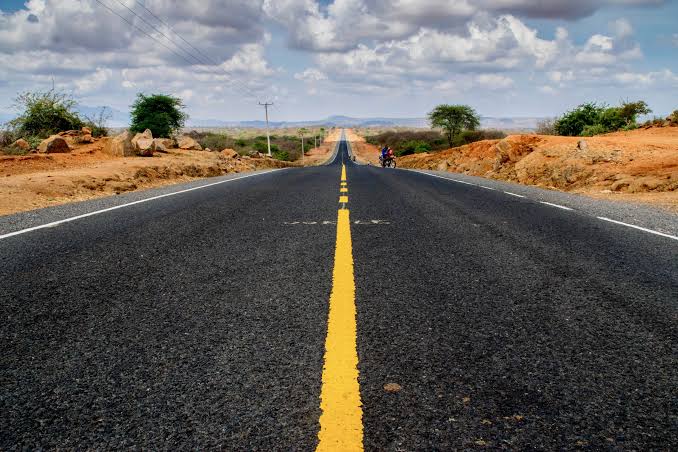
Setting the Strategy for Kenya National Highways Authority
Building the 2023 to 2028 Strategic Plan for KENHA, translating a national mandate into vision, themes, objectives, and actions the institution can be measured against.

Positioning RCGW for the Decade of Water Scarcity
Evaluated five years of delivery and built the strategy that positions the Regional Centre on Groundwater Resources as a continental knowledge hub for the resource the Horn of Africa depends on most.

Selecting 2K+ Young Agripreneurs Across Kenya
ACAL designed and delivered the selection of 2,080 youth incubatees for the AfDB-financed ENABLE Youth Kenya agribusiness programme, using psychometric assessment across eight regional centres.

Building a Regional Framework for TVET
Inter-Institutional Collaboration Framework for EASTRIP TVET institutions, connecting training providers, governments, industry, and regulators across East Africa.
The Skills Gap Behind Off-Grid Energy
Fourteen underserved counties, one national energy programme, and the question every project appraisal document assumes has already been answered: can the institutions delivering this actually do it?
Counting What Flood Protection Delivered
Eight years of investment in flood mitigation and community-driven development across western Kenya, assessed where it either worked or did not: inside the households living on the floodplain.
Setting the Strategy for Kenya National Highways Authority
Building the 2023 to 2028 Strategic Plan for KENHA, translating a national mandate into vision, themes, objectives, and actions the institution can be measured against.
Positioning RCGW for the Decade of Water Scarcity
Evaluated five years of delivery and built the strategy that positions the Regional Centre on Groundwater Resources as a continental knowledge hub for the resource the Horn of Africa depends on most.
Selecting 2K+ Young Agripreneurs Across Kenya
ACAL designed and delivered the selection of 2,080 youth incubatees for the AfDB-financed ENABLE Youth Kenya agribusiness programme, using psychometric assessment across eight regional centres.
Building a Regional Framework for TVET
Inter-Institutional Collaboration Framework for EASTRIP TVET institutions, connecting training providers, governments, industry, and regulators across East Africa.
The Skills Gap Behind Off-Grid Energy
Fourteen underserved counties, one national energy programme, and the question every project appraisal document assumes has already been answered: can the institutions delivering this actually do it?
Counting What Flood Protection Delivered
Eight years of investment in flood mitigation and community-driven development across western Kenya, assessed where it either worked or did not: inside the households living on the floodplain.
Setting the Strategy for Kenya National Highways Authority
Building the 2023 to 2028 Strategic Plan for KENHA, translating a national mandate into vision, themes, objectives, and actions the institution can be measured against.
Positioning RCGW for the Decade of Water Scarcity
Evaluated five years of delivery and built the strategy that positions the Regional Centre on Groundwater Resources as a continental knowledge hub for the resource the Horn of Africa depends on most.
Selecting 2K+ Young Agripreneurs Across Kenya
ACAL designed and delivered the selection of 2,080 youth incubatees for the AfDB-financed ENABLE Youth Kenya agribusiness programme, using psychometric assessment across eight regional centres.
Building a Regional Framework for TVET
Inter-Institutional Collaboration Framework for EASTRIP TVET institutions, connecting training providers, governments, industry, and regulators across East Africa.
The Skills Gap Behind Off-Grid Energy
Fourteen underserved counties, one national energy programme, and the question every project appraisal document assumes has already been answered: can the institutions delivering this actually do it?
Counting What Flood Protection Delivered
Eight years of investment in flood mitigation and community-driven development across western Kenya, assessed where it either worked or did not: inside the households living on the floodplain.
Setting the Strategy for Kenya National Highways Authority
Building the 2023 to 2028 Strategic Plan for KENHA, translating a national mandate into vision, themes, objectives, and actions the institution can be measured against.
Positioning RCGW for the Decade of Water Scarcity
Evaluated five years of delivery and built the strategy that positions the Regional Centre on Groundwater Resources as a continental knowledge hub for the resource the Horn of Africa depends on most.
Selecting 2K+ Young Agripreneurs Across Kenya
ACAL designed and delivered the selection of 2,080 youth incubatees for the AfDB-financed ENABLE Youth Kenya agribusiness programme, using psychometric assessment across eight regional centres.
Building a Regional Framework for TVET
Inter-Institutional Collaboration Framework for EASTRIP TVET institutions, connecting training providers, governments, industry, and regulators across East Africa.
The Skills Gap Behind Off-Grid Energy
Fourteen underserved counties, one national energy programme, and the question every project appraisal document assumes has already been answered: can the institutions delivering this actually do it?
Counting What Flood Protection Delivered
Eight years of investment in flood mitigation and community-driven development across western Kenya, assessed where it either worked or did not: inside the households living on the floodplain.
Setting the Strategy for Kenya National Highways Authority
Building the 2023 to 2028 Strategic Plan for KENHA, translating a national mandate into vision, themes, objectives, and actions the institution can be measured against.
Positioning RCGW for the Decade of Water Scarcity
Evaluated five years of delivery and built the strategy that positions the Regional Centre on Groundwater Resources as a continental knowledge hub for the resource the Horn of Africa depends on most.
Selecting 2K+ Young Agripreneurs Across Kenya
ACAL designed and delivered the selection of 2,080 youth incubatees for the AfDB-financed ENABLE Youth Kenya agribusiness programme, using psychometric assessment across eight regional centres.
Building a Regional Framework for TVET
Inter-Institutional Collaboration Framework for EASTRIP TVET institutions, connecting training providers, governments, industry, and regulators across East Africa.
The Skills Gap Behind Off-Grid Energy
Fourteen underserved counties, one national energy programme, and the question every project appraisal document assumes has already been answered: can the institutions delivering this actually do it?
Counting What Flood Protection Delivered
Eight years of investment in flood mitigation and community-driven development across western Kenya, assessed where it either worked or did not: inside the households living on the floodplain.
Setting the Strategy for Kenya National Highways Authority
Building the 2023 to 2028 Strategic Plan for KENHA, translating a national mandate into vision, themes, objectives, and actions the institution can be measured against.
Positioning RCGW for the Decade of Water Scarcity
Evaluated five years of delivery and built the strategy that positions the Regional Centre on Groundwater Resources as a continental knowledge hub for the resource the Horn of Africa depends on most.
Selecting 2K+ Young Agripreneurs Across Kenya
ACAL designed and delivered the selection of 2,080 youth incubatees for the AfDB-financed ENABLE Youth Kenya agribusiness programme, using psychometric assessment across eight regional centres.
Building a Regional Framework for TVET
Inter-Institutional Collaboration Framework for EASTRIP TVET institutions, connecting training providers, governments, industry, and regulators across East Africa.
The Skills Gap Behind Off-Grid Energy
Fourteen underserved counties, one national energy programme, and the question every project appraisal document assumes has already been answered: can the institutions delivering this actually do it?
Counting What Flood Protection Delivered
Eight years of investment in flood mitigation and community-driven development across western Kenya, assessed where it either worked or did not: inside the households living on the floodplain.
Setting the Strategy for Kenya National Highways Authority
Building the 2023 to 2028 Strategic Plan for KENHA, translating a national mandate into vision, themes, objectives, and actions the institution can be measured against.
Positioning RCGW for the Decade of Water Scarcity
Evaluated five years of delivery and built the strategy that positions the Regional Centre on Groundwater Resources as a continental knowledge hub for the resource the Horn of Africa depends on most.
Selecting 2K+ Young Agripreneurs Across Kenya
ACAL designed and delivered the selection of 2,080 youth incubatees for the AfDB-financed ENABLE Youth Kenya agribusiness programme, using psychometric assessment across eight regional centres.
Building a Regional Framework for TVET
Inter-Institutional Collaboration Framework for EASTRIP TVET institutions, connecting training providers, governments, industry, and regulators across East Africa.
The Skills Gap Behind Off-Grid Energy
Fourteen underserved counties, one national energy programme, and the question every project appraisal document assumes has already been answered: can the institutions delivering this actually do it?
Counting What Flood Protection Delivered
Eight years of investment in flood mitigation and community-driven development across western Kenya, assessed where it either worked or did not: inside the households living on the floodplain.
Setting the Strategy for Kenya National Highways Authority
Building the 2023 to 2028 Strategic Plan for KENHA, translating a national mandate into vision, themes, objectives, and actions the institution can be measured against.
Positioning RCGW for the Decade of Water Scarcity
Evaluated five years of delivery and built the strategy that positions the Regional Centre on Groundwater Resources as a continental knowledge hub for the resource the Horn of Africa depends on most.
Selecting 2K+ Young Agripreneurs Across Kenya
ACAL designed and delivered the selection of 2,080 youth incubatees for the AfDB-financed ENABLE Youth Kenya agribusiness programme, using psychometric assessment across eight regional centres.
Building a Regional Framework for TVET
Inter-Institutional Collaboration Framework for EASTRIP TVET institutions, connecting training providers, governments, industry, and regulators across East Africa.
The Skills Gap Behind Off-Grid Energy
Fourteen underserved counties, one national energy programme, and the question every project appraisal document assumes has already been answered: can the institutions delivering this actually do it?
Counting What Flood Protection Delivered
Eight years of investment in flood mitigation and community-driven development across western Kenya, assessed where it either worked or did not: inside the households living on the floodplain.
Setting the Strategy for Kenya National Highways Authority
Building the 2023 to 2028 Strategic Plan for KENHA, translating a national mandate into vision, themes, objectives, and actions the institution can be measured against.
Positioning RCGW for the Decade of Water Scarcity
Evaluated five years of delivery and built the strategy that positions the Regional Centre on Groundwater Resources as a continental knowledge hub for the resource the Horn of Africa depends on most.
Selecting 2K+ Young Agripreneurs Across Kenya
ACAL designed and delivered the selection of 2,080 youth incubatees for the AfDB-financed ENABLE Youth Kenya agribusiness programme, using psychometric assessment across eight regional centres.
Building a Regional Framework for TVET
Inter-Institutional Collaboration Framework for EASTRIP TVET institutions, connecting training providers, governments, industry, and regulators across East Africa.
The Skills Gap Behind Off-Grid Energy
Fourteen underserved counties, one national energy programme, and the question every project appraisal document assumes has already been answered: can the institutions delivering this actually do it?
Counting What Flood Protection Delivered
Eight years of investment in flood mitigation and community-driven development across western Kenya, assessed where it either worked or did not: inside the households living on the floodplain.
Setting the Strategy for Kenya National Highways Authority
Building the 2023 to 2028 Strategic Plan for KENHA, translating a national mandate into vision, themes, objectives, and actions the institution can be measured against.
Positioning RCGW for the Decade of Water Scarcity
Evaluated five years of delivery and built the strategy that positions the Regional Centre on Groundwater Resources as a continental knowledge hub for the resource the Horn of Africa depends on most.
Selecting 2K+ Young Agripreneurs Across Kenya
ACAL designed and delivered the selection of 2,080 youth incubatees for the AfDB-financed ENABLE Youth Kenya agribusiness programme, using psychometric assessment across eight regional centres.
Building a Regional Framework for TVET
Inter-Institutional Collaboration Framework for EASTRIP TVET institutions, connecting training providers, governments, industry, and regulators across East Africa.
The Skills Gap Behind Off-Grid Energy
Fourteen underserved counties, one national energy programme, and the question every project appraisal document assumes has already been answered: can the institutions delivering this actually do it?
Counting What Flood Protection Delivered
Eight years of investment in flood mitigation and community-driven development across western Kenya, assessed where it either worked or did not: inside the households living on the floodplain.
Setting the Strategy for Kenya National Highways Authority
Building the 2023 to 2028 Strategic Plan for KENHA, translating a national mandate into vision, themes, objectives, and actions the institution can be measured against.
Positioning RCGW for the Decade of Water Scarcity
Evaluated five years of delivery and built the strategy that positions the Regional Centre on Groundwater Resources as a continental knowledge hub for the resource the Horn of Africa depends on most.
Selecting 2K+ Young Agripreneurs Across Kenya
ACAL designed and delivered the selection of 2,080 youth incubatees for the AfDB-financed ENABLE Youth Kenya agribusiness programme, using psychometric assessment across eight regional centres.
Building a Regional Framework for TVET
Inter-Institutional Collaboration Framework for EASTRIP TVET institutions, connecting training providers, governments, industry, and regulators across East Africa.
The Skills Gap Behind Off-Grid Energy
Fourteen underserved counties, one national energy programme, and the question every project appraisal document assumes has already been answered: can the institutions delivering this actually do it?
Counting What Flood Protection Delivered
Eight years of investment in flood mitigation and community-driven development across western Kenya, assessed where it either worked or did not: inside the households living on the floodplain.
Setting the Strategy for Kenya National Highways Authority
Building the 2023 to 2028 Strategic Plan for KENHA, translating a national mandate into vision, themes, objectives, and actions the institution can be measured against.
Positioning RCGW for the Decade of Water Scarcity
Evaluated five years of delivery and built the strategy that positions the Regional Centre on Groundwater Resources as a continental knowledge hub for the resource the Horn of Africa depends on most.
Selecting 2K+ Young Agripreneurs Across Kenya
ACAL designed and delivered the selection of 2,080 youth incubatees for the AfDB-financed ENABLE Youth Kenya agribusiness programme, using psychometric assessment across eight regional centres.
Building a Regional Framework for TVET
Inter-Institutional Collaboration Framework for EASTRIP TVET institutions, connecting training providers, governments, industry, and regulators across East Africa.
Change the Game
Work with Experts to Change the Game
Work with Experts to Change the Game
40+ major programmes delivered
100% project completion rate
GCF accredited · One of 54 worldwide