[Client Impact]
Kenya Mortgage Refinance Company Impact Survey
[Client Impact]
Kenya Mortgage Refinance Company Impact Survey

Overview
The Kenya Mortgage Refinance Company is the institutional centrepiece of the country's affordable housing finance strategy. ACAL led the medium term impact survey that measured whether KMRC is reshaping mortgage market behaviour and supply against the targets set when the institution was capitalised. The work was commissioned by the World Bank and the National Treasury to inform the next phase of investment in Kenya's housing finance architecture.
Lead consultant on the KMRC Medium-Term Impact Survey, jointly commissioned by the World Bank and the National Treasury.
Mixed methods evaluation covering Primary Mortgage Lender behaviour, borrower outcomes, and KMRC institutional performance.
Statistician led survey design with national coverage across banks, SACCOs, and borrower households.
Findings feeding directly into the policy and investment decisions shaping KMRC's next phase.


Client Context
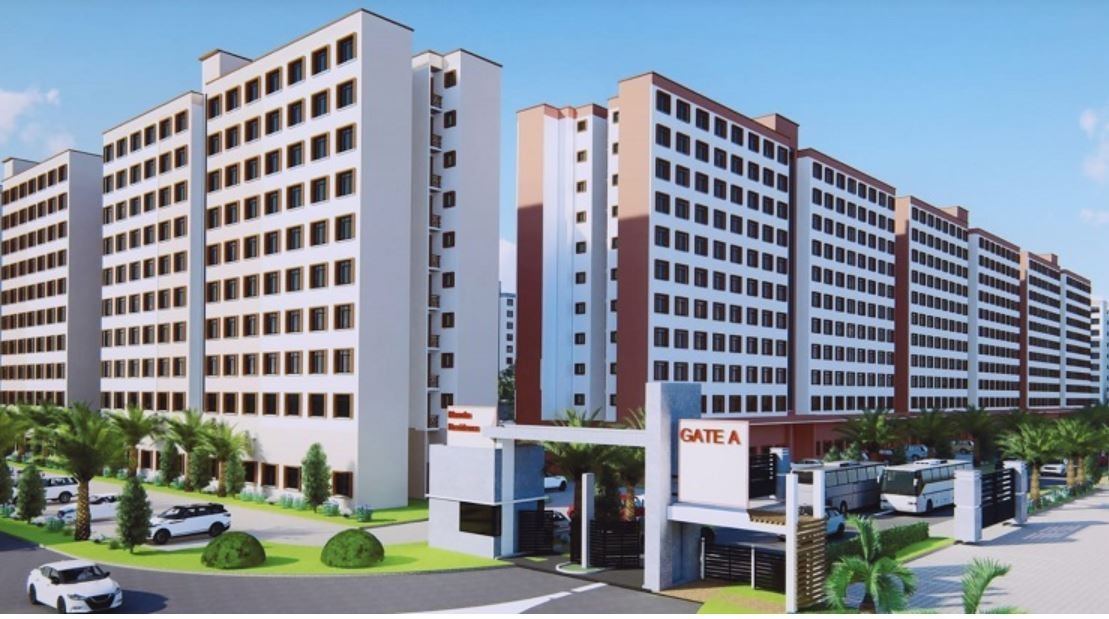
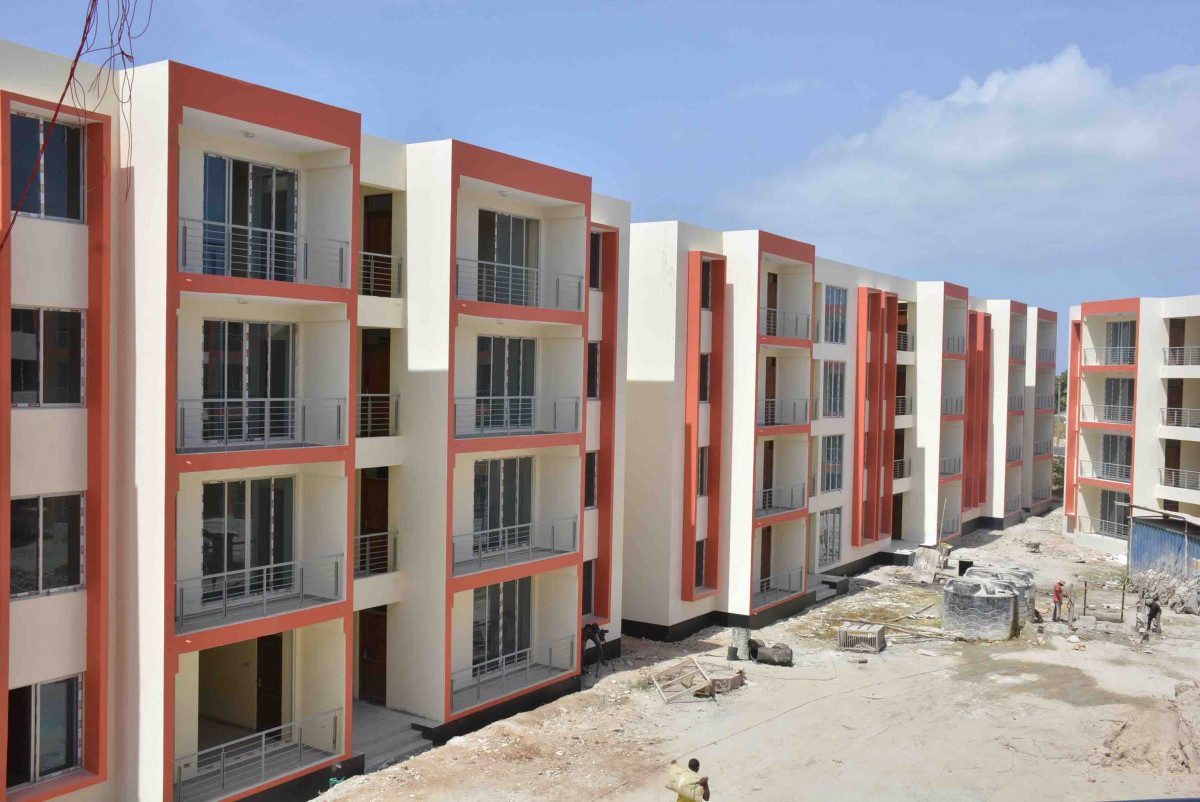
The Kenya Mortgage Refinance Company was established as a public private partnership to expand long term mortgage finance in Kenya. Its mandate is to refinance Primary Mortgage Lenders, including banks and SACCOs, so that they can offer longer tenor, lower cost mortgage products to working households. KMRC sits at the heart of the Government of Kenya's affordable housing strategy, alongside policy, regulatory, and supply side interventions.
World Bank programmes of this institutional weight require periodic, independent impact evaluation. The medium term impact survey is the structured check that the World Bank and the National Treasury rely on to confirm that the institution is delivering on the market change it was designed to drive, and to identify the operational adjustments that the next phase of investment should target.
The Challenge
Measuring KMRC's impact at the medium term horizon is more demanding than it appears. The institution operates one step removed from the borrower, refinancing Primary Mortgage Lenders rather than lending directly. The impact pathway runs through PML balance sheet behaviour, product design, and onward lending decisions before it reaches the household. Each transmission step needs evidence.
The evaluation also had to operate at two levels simultaneously. At the macro level, it needed to assess whether KMRC has reshaped mortgage market structure, pricing, and supply. At the micro level, it needed to assess whether borrowers who hold KMRC refinanced mortgages have measurably different outcomes from borrowers who do not. The two tiers required different methods, different data sources, and different analytical approaches, integrated into a single coherent evaluation.
The product had to be defensible to a demanding set of stakeholders. The World Bank's housing finance team, the National Treasury, KMRC's board, the Central Bank of Kenya, and the broader development finance community would each read the findings. The methodology had to clear the bar that an evaluation of a flagship financial sector institution requires.
Our Approach
ACAL designed the impact survey around four parallel evidence streams that built into a single integrated finding. Each stream had its own methodology, its own data source, and its own analytical workflow, and all four converged on the questions the World Bank and the National Treasury actually needed answered.
Statistician led borrower survey design with sampling across PML categories and product types.
Institutional assessment of Primary Mortgage Lenders covering balance sheet behaviour, product design, and lending decisions.
KMRC internal performance review covering disbursement, governance, and capital efficiency.
Market level analysis benchmarking Kenya's mortgage finance trajectory against pre KMRC baselines and peer market references.
Solution Delivered
ACAL delivered an integrated medium term impact survey covering KMRC's performance, the behavioural change in Primary Mortgage Lenders, and the household outcomes that the institution exists to support. The deliverable combined a borrower survey with statistical analysis, an institutional assessment of PMLs, a KMRC internal performance review, and a market level benchmark study. Findings were synthesised into a single evaluation report that addressed each of the questions the World Bank and the National Treasury had set, with concrete recommendations for the next phase of capital and policy support.
4
Integrated Evidence Streams
4
Integrated Evidence Streams
$167.8M
Cumulative Loans Disbursed
$167.8M
Cumulative Loans Disbursed
18K+
Households Impacted
18K+
Households Impacted
38
Counties. Total Structural Reach
38
Counties. Total Structural Reach

Impact
The medium term impact survey produced the structured evidence base that the World Bank and the National Treasury required to make the next phase decisions on KMRC. Headline questions on PML behavioural change, borrower outcomes, and KMRC institutional performance were answered with defensible quantitative analysis and the qualitative depth to interpret the numbers responsibly.
Beyond the headline findings, the evaluation produced a granular view of where the impact pathway works and where it slows down. PML segments where refinancing is converting into longer tenor and more affordable products were identified separately from segments where transmission is weaker. Borrower household characteristics that are most strongly associated with successful mortgage take up were named. KMRC’s internal performance metrics were benchmarked against the assumptions made at capitalisation.
For KMRC itself, the survey is more than an external evaluation. It is the diagnostic that lets the institution see where its operational model is most effective and where it needs to evolve. For the World Bank and the National Treasury, the survey is the evidence that supports continued investment in the model and informs the next round of housing finance policy.
Key Takeaways
Refinancing institutions need impact evidence the level above lending data
KMRC’s impact does not live in its own balance sheet. It lives in the behaviour of the Primary Mortgage Lenders it refinances and in the outcomes of the households those PMLs serve. An evaluation that stops at KMRC’s own performance metrics misses the institution’s actual purpose. The medium term impact survey was designed to look one and two steps beyond KMRC, which is where the impact case has to be made.
Mixed methods are not optional in financial sector evaluations
The macro level numbers on mortgage market expansion are necessary but not sufficient. The micro level borrower outcomes are necessary but not sufficient. The institutional behavioural change in PMLs is necessary but not sufficient. The KMRC evaluation integrated all three because each tier answered questions the others could not. Financial sector institutions are easier to over evaluate at one level and under evaluate across the whole impact pathway. The integrated design is what avoided that trap.
Statistician led design protects the credibility of the findings
Impact evaluations are read more critically than implementation reports. The methodology has to be defensible to financial sector specialists, World Bank evaluation peers, and the National Treasury. Bringing statistical design and analysis into the evaluation from the outset, rather than as a post hoc validation step, is what gives the findings the standing they need to drive policy and investment decisions.
PPPs and refinancing vehicles require evaluation infrastructure built in, not bolted on
KMRC was conceived as a vehicle that would need periodic, independent evidence on its impact. Programmes that build evaluation infrastructure into the institution’s operating model from the start produce more usable evidence than programmes that commission evaluations as one off events. The KMRC medium term impact survey is best read as one node in the continuing evaluation architecture the institution requires, not as a one off output. Designing future PPPs of this type around that assumption from day one would compound their evidence base over time.
Sector: Financial Services, Housing Finance, Impact Evaluation | Funder: World Bank / National Treasury | Geography: Kenya, National | ACAL Role: Lead Impact Evaluation Firm | Contract Value: USD 231.2K
How We Helped Clients Grow Smarter
How We Helped Clients Grow Smarter
How We Helped Clients Grow Smarter

The Skills Gap Behind Off-Grid Energy
Fourteen underserved counties, one national energy programme, and the question every project appraisal document assumes has already been answered: can the institutions delivering this actually do it?

Counting What Flood Protection Delivered
Eight years of investment in flood mitigation and community-driven development across western Kenya, assessed where it either worked or did not: inside the households living on the floodplain.

Setting the Strategy for Kenya National Highways Authority
Building the 2023 to 2028 Strategic Plan for KENHA, translating a national mandate into vision, themes, objectives, and actions the institution can be measured against.

Positioning RCGW for the Decade of Water Scarcity
Evaluated five years of delivery and built the strategy that positions the Regional Centre on Groundwater Resources as a continental knowledge hub for the resource the Horn of Africa depends on most.

Selecting 2K+ Young Agripreneurs Across Kenya
ACAL designed and delivered the selection of 2,080 youth incubatees for the AfDB-financed ENABLE Youth Kenya agribusiness programme, using psychometric assessment across eight regional centres.

Building a Regional Framework for TVET
Inter-Institutional Collaboration Framework for EASTRIP TVET institutions, connecting training providers, governments, industry, and regulators across East Africa.
The Skills Gap Behind Off-Grid Energy
Fourteen underserved counties, one national energy programme, and the question every project appraisal document assumes has already been answered: can the institutions delivering this actually do it?
Counting What Flood Protection Delivered
Eight years of investment in flood mitigation and community-driven development across western Kenya, assessed where it either worked or did not: inside the households living on the floodplain.
Setting the Strategy for Kenya National Highways Authority
Building the 2023 to 2028 Strategic Plan for KENHA, translating a national mandate into vision, themes, objectives, and actions the institution can be measured against.
Positioning RCGW for the Decade of Water Scarcity
Evaluated five years of delivery and built the strategy that positions the Regional Centre on Groundwater Resources as a continental knowledge hub for the resource the Horn of Africa depends on most.
Selecting 2K+ Young Agripreneurs Across Kenya
ACAL designed and delivered the selection of 2,080 youth incubatees for the AfDB-financed ENABLE Youth Kenya agribusiness programme, using psychometric assessment across eight regional centres.
Building a Regional Framework for TVET
Inter-Institutional Collaboration Framework for EASTRIP TVET institutions, connecting training providers, governments, industry, and regulators across East Africa.
The Skills Gap Behind Off-Grid Energy
Fourteen underserved counties, one national energy programme, and the question every project appraisal document assumes has already been answered: can the institutions delivering this actually do it?
Counting What Flood Protection Delivered
Eight years of investment in flood mitigation and community-driven development across western Kenya, assessed where it either worked or did not: inside the households living on the floodplain.
Setting the Strategy for Kenya National Highways Authority
Building the 2023 to 2028 Strategic Plan for KENHA, translating a national mandate into vision, themes, objectives, and actions the institution can be measured against.
Positioning RCGW for the Decade of Water Scarcity
Evaluated five years of delivery and built the strategy that positions the Regional Centre on Groundwater Resources as a continental knowledge hub for the resource the Horn of Africa depends on most.
Selecting 2K+ Young Agripreneurs Across Kenya
ACAL designed and delivered the selection of 2,080 youth incubatees for the AfDB-financed ENABLE Youth Kenya agribusiness programme, using psychometric assessment across eight regional centres.
Building a Regional Framework for TVET
Inter-Institutional Collaboration Framework for EASTRIP TVET institutions, connecting training providers, governments, industry, and regulators across East Africa.
The Skills Gap Behind Off-Grid Energy
Fourteen underserved counties, one national energy programme, and the question every project appraisal document assumes has already been answered: can the institutions delivering this actually do it?
Counting What Flood Protection Delivered
Eight years of investment in flood mitigation and community-driven development across western Kenya, assessed where it either worked or did not: inside the households living on the floodplain.
Setting the Strategy for Kenya National Highways Authority
Building the 2023 to 2028 Strategic Plan for KENHA, translating a national mandate into vision, themes, objectives, and actions the institution can be measured against.
Positioning RCGW for the Decade of Water Scarcity
Evaluated five years of delivery and built the strategy that positions the Regional Centre on Groundwater Resources as a continental knowledge hub for the resource the Horn of Africa depends on most.
Selecting 2K+ Young Agripreneurs Across Kenya
ACAL designed and delivered the selection of 2,080 youth incubatees for the AfDB-financed ENABLE Youth Kenya agribusiness programme, using psychometric assessment across eight regional centres.
Building a Regional Framework for TVET
Inter-Institutional Collaboration Framework for EASTRIP TVET institutions, connecting training providers, governments, industry, and regulators across East Africa.
The Skills Gap Behind Off-Grid Energy
Fourteen underserved counties, one national energy programme, and the question every project appraisal document assumes has already been answered: can the institutions delivering this actually do it?
Counting What Flood Protection Delivered
Eight years of investment in flood mitigation and community-driven development across western Kenya, assessed where it either worked or did not: inside the households living on the floodplain.
Setting the Strategy for Kenya National Highways Authority
Building the 2023 to 2028 Strategic Plan for KENHA, translating a national mandate into vision, themes, objectives, and actions the institution can be measured against.
Positioning RCGW for the Decade of Water Scarcity
Evaluated five years of delivery and built the strategy that positions the Regional Centre on Groundwater Resources as a continental knowledge hub for the resource the Horn of Africa depends on most.
Selecting 2K+ Young Agripreneurs Across Kenya
ACAL designed and delivered the selection of 2,080 youth incubatees for the AfDB-financed ENABLE Youth Kenya agribusiness programme, using psychometric assessment across eight regional centres.
Building a Regional Framework for TVET
Inter-Institutional Collaboration Framework for EASTRIP TVET institutions, connecting training providers, governments, industry, and regulators across East Africa.
The Skills Gap Behind Off-Grid Energy
Fourteen underserved counties, one national energy programme, and the question every project appraisal document assumes has already been answered: can the institutions delivering this actually do it?
Counting What Flood Protection Delivered
Eight years of investment in flood mitigation and community-driven development across western Kenya, assessed where it either worked or did not: inside the households living on the floodplain.
Setting the Strategy for Kenya National Highways Authority
Building the 2023 to 2028 Strategic Plan for KENHA, translating a national mandate into vision, themes, objectives, and actions the institution can be measured against.
Positioning RCGW for the Decade of Water Scarcity
Evaluated five years of delivery and built the strategy that positions the Regional Centre on Groundwater Resources as a continental knowledge hub for the resource the Horn of Africa depends on most.
Selecting 2K+ Young Agripreneurs Across Kenya
ACAL designed and delivered the selection of 2,080 youth incubatees for the AfDB-financed ENABLE Youth Kenya agribusiness programme, using psychometric assessment across eight regional centres.
Building a Regional Framework for TVET
Inter-Institutional Collaboration Framework for EASTRIP TVET institutions, connecting training providers, governments, industry, and regulators across East Africa.
The Skills Gap Behind Off-Grid Energy
Fourteen underserved counties, one national energy programme, and the question every project appraisal document assumes has already been answered: can the institutions delivering this actually do it?
Counting What Flood Protection Delivered
Eight years of investment in flood mitigation and community-driven development across western Kenya, assessed where it either worked or did not: inside the households living on the floodplain.
Setting the Strategy for Kenya National Highways Authority
Building the 2023 to 2028 Strategic Plan for KENHA, translating a national mandate into vision, themes, objectives, and actions the institution can be measured against.
Positioning RCGW for the Decade of Water Scarcity
Evaluated five years of delivery and built the strategy that positions the Regional Centre on Groundwater Resources as a continental knowledge hub for the resource the Horn of Africa depends on most.
Selecting 2K+ Young Agripreneurs Across Kenya
ACAL designed and delivered the selection of 2,080 youth incubatees for the AfDB-financed ENABLE Youth Kenya agribusiness programme, using psychometric assessment across eight regional centres.
Building a Regional Framework for TVET
Inter-Institutional Collaboration Framework for EASTRIP TVET institutions, connecting training providers, governments, industry, and regulators across East Africa.
The Skills Gap Behind Off-Grid Energy
Fourteen underserved counties, one national energy programme, and the question every project appraisal document assumes has already been answered: can the institutions delivering this actually do it?
Counting What Flood Protection Delivered
Eight years of investment in flood mitigation and community-driven development across western Kenya, assessed where it either worked or did not: inside the households living on the floodplain.
Setting the Strategy for Kenya National Highways Authority
Building the 2023 to 2028 Strategic Plan for KENHA, translating a national mandate into vision, themes, objectives, and actions the institution can be measured against.
Positioning RCGW for the Decade of Water Scarcity
Evaluated five years of delivery and built the strategy that positions the Regional Centre on Groundwater Resources as a continental knowledge hub for the resource the Horn of Africa depends on most.
Selecting 2K+ Young Agripreneurs Across Kenya
ACAL designed and delivered the selection of 2,080 youth incubatees for the AfDB-financed ENABLE Youth Kenya agribusiness programme, using psychometric assessment across eight regional centres.
Building a Regional Framework for TVET
Inter-Institutional Collaboration Framework for EASTRIP TVET institutions, connecting training providers, governments, industry, and regulators across East Africa.
The Skills Gap Behind Off-Grid Energy
Fourteen underserved counties, one national energy programme, and the question every project appraisal document assumes has already been answered: can the institutions delivering this actually do it?
Counting What Flood Protection Delivered
Eight years of investment in flood mitigation and community-driven development across western Kenya, assessed where it either worked or did not: inside the households living on the floodplain.
Setting the Strategy for Kenya National Highways Authority
Building the 2023 to 2028 Strategic Plan for KENHA, translating a national mandate into vision, themes, objectives, and actions the institution can be measured against.
Positioning RCGW for the Decade of Water Scarcity
Evaluated five years of delivery and built the strategy that positions the Regional Centre on Groundwater Resources as a continental knowledge hub for the resource the Horn of Africa depends on most.
Selecting 2K+ Young Agripreneurs Across Kenya
ACAL designed and delivered the selection of 2,080 youth incubatees for the AfDB-financed ENABLE Youth Kenya agribusiness programme, using psychometric assessment across eight regional centres.
Building a Regional Framework for TVET
Inter-Institutional Collaboration Framework for EASTRIP TVET institutions, connecting training providers, governments, industry, and regulators across East Africa.
The Skills Gap Behind Off-Grid Energy
Fourteen underserved counties, one national energy programme, and the question every project appraisal document assumes has already been answered: can the institutions delivering this actually do it?
Counting What Flood Protection Delivered
Eight years of investment in flood mitigation and community-driven development across western Kenya, assessed where it either worked or did not: inside the households living on the floodplain.
Setting the Strategy for Kenya National Highways Authority
Building the 2023 to 2028 Strategic Plan for KENHA, translating a national mandate into vision, themes, objectives, and actions the institution can be measured against.
Positioning RCGW for the Decade of Water Scarcity
Evaluated five years of delivery and built the strategy that positions the Regional Centre on Groundwater Resources as a continental knowledge hub for the resource the Horn of Africa depends on most.
Selecting 2K+ Young Agripreneurs Across Kenya
ACAL designed and delivered the selection of 2,080 youth incubatees for the AfDB-financed ENABLE Youth Kenya agribusiness programme, using psychometric assessment across eight regional centres.
Building a Regional Framework for TVET
Inter-Institutional Collaboration Framework for EASTRIP TVET institutions, connecting training providers, governments, industry, and regulators across East Africa.
The Skills Gap Behind Off-Grid Energy
Fourteen underserved counties, one national energy programme, and the question every project appraisal document assumes has already been answered: can the institutions delivering this actually do it?
Counting What Flood Protection Delivered
Eight years of investment in flood mitigation and community-driven development across western Kenya, assessed where it either worked or did not: inside the households living on the floodplain.
Setting the Strategy for Kenya National Highways Authority
Building the 2023 to 2028 Strategic Plan for KENHA, translating a national mandate into vision, themes, objectives, and actions the institution can be measured against.
Positioning RCGW for the Decade of Water Scarcity
Evaluated five years of delivery and built the strategy that positions the Regional Centre on Groundwater Resources as a continental knowledge hub for the resource the Horn of Africa depends on most.
Selecting 2K+ Young Agripreneurs Across Kenya
ACAL designed and delivered the selection of 2,080 youth incubatees for the AfDB-financed ENABLE Youth Kenya agribusiness programme, using psychometric assessment across eight regional centres.
Building a Regional Framework for TVET
Inter-Institutional Collaboration Framework for EASTRIP TVET institutions, connecting training providers, governments, industry, and regulators across East Africa.
The Skills Gap Behind Off-Grid Energy
Fourteen underserved counties, one national energy programme, and the question every project appraisal document assumes has already been answered: can the institutions delivering this actually do it?
Counting What Flood Protection Delivered
Eight years of investment in flood mitigation and community-driven development across western Kenya, assessed where it either worked or did not: inside the households living on the floodplain.
Setting the Strategy for Kenya National Highways Authority
Building the 2023 to 2028 Strategic Plan for KENHA, translating a national mandate into vision, themes, objectives, and actions the institution can be measured against.
Positioning RCGW for the Decade of Water Scarcity
Evaluated five years of delivery and built the strategy that positions the Regional Centre on Groundwater Resources as a continental knowledge hub for the resource the Horn of Africa depends on most.
Selecting 2K+ Young Agripreneurs Across Kenya
ACAL designed and delivered the selection of 2,080 youth incubatees for the AfDB-financed ENABLE Youth Kenya agribusiness programme, using psychometric assessment across eight regional centres.
Building a Regional Framework for TVET
Inter-Institutional Collaboration Framework for EASTRIP TVET institutions, connecting training providers, governments, industry, and regulators across East Africa.
Change the Game
Work with Experts to Change the Game
Work with Experts to Change the Game
40+ major programmes delivered
100% project completion rate
GCF accredited · One of 54 worldwide