[Client Impact]
Charting the Road Map for BioVax
[Client Impact]
Charting the Road Map for BioVax

Overview
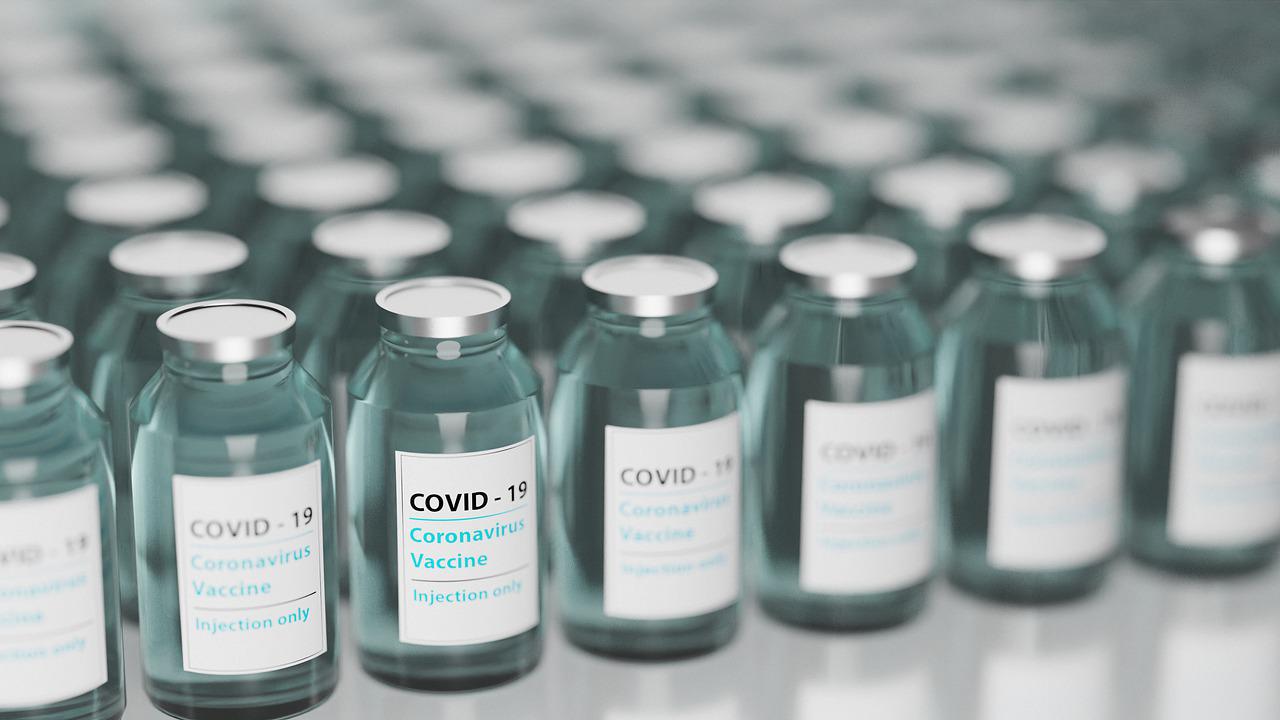
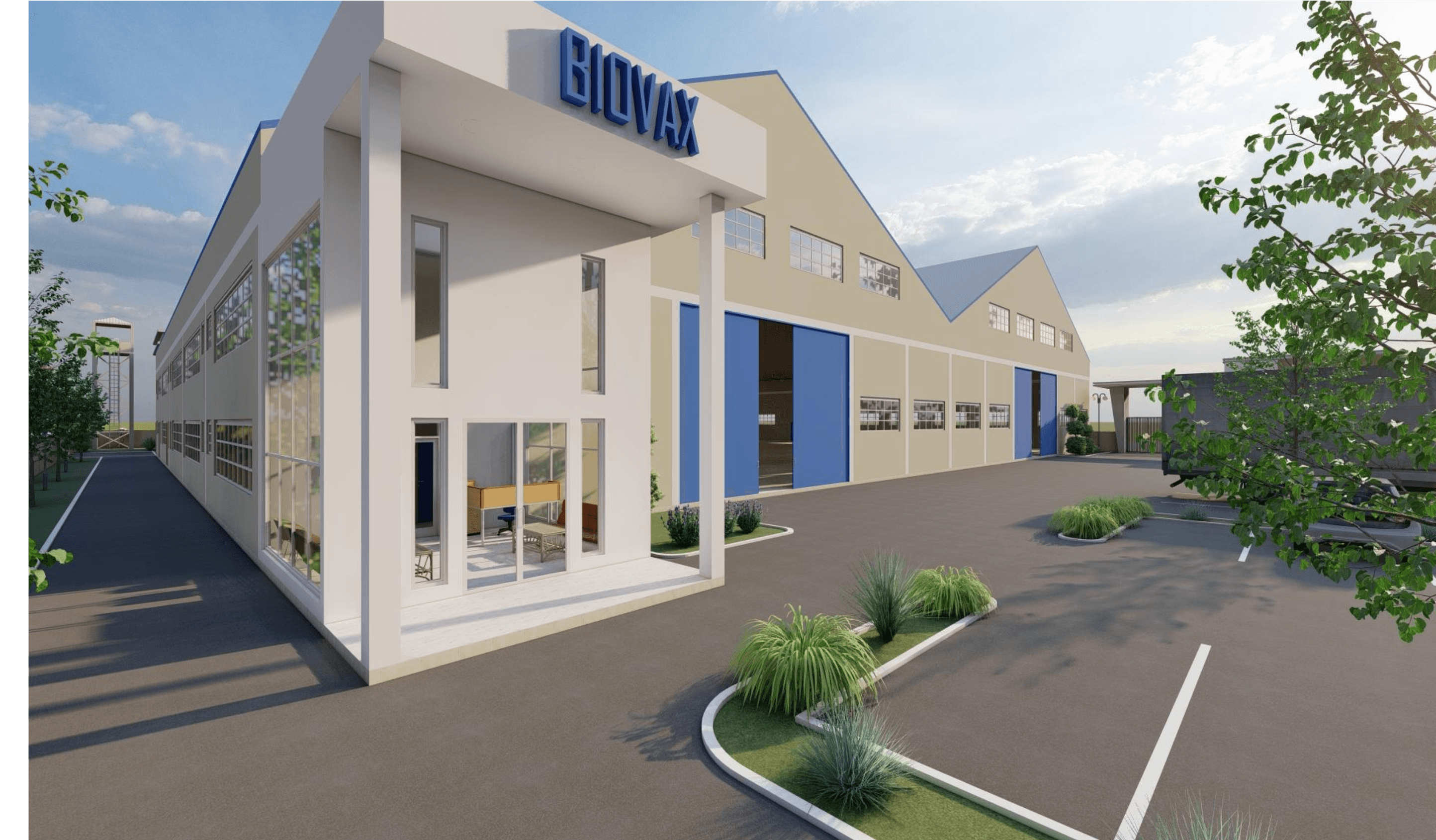
Kenya BioVax Institute was established in 2021 as the Government of Kenya's institutional response to the vaccine equity crisis exposed by COVID-19. ACAL was retained to lead the formulation of the Institute's first statutory strategic plan: a five-year road map covering the period 2023 to 2027, designed to guide KBI from a newly established state corporation to a functioning vaccine and biologics manufacturer with a credible commercial and regulatory architecture.
First strategic plan for Kenya's national vaccine manufacturer, formulated in compliance with Fifth Generation Strategic Plan Guidelines from the State Department for Economic Planning
Comprehensive situational analysis covering macro-environment, industry dynamics, competitor landscape, and internal organisational assessment
Six strategic pillars developed: Commercialisation, Manufacturing, Regulation and Compliance, Collaborations and Resource Mobilisation, Research Development and Innovation, and People, Culture and Institutional Capacity
Five-year implementation framework costed at USD 107.3M, with a performance management system and monitoring, evaluation and reporting structure


Client Context
Kenya BioVax Institute is a state corporation incorporated in 2021 to manufacture, package, and commercialise vaccines and other health products and technologies. Its mandate was catalysed by two converging pressures. First, the COVID-19 pandemic demonstrated the cost of vaccine dependence: African governments could not secure adequate supplies as developed countries prioritised their own citizens, and Africa's capacity to manufacture vaccines, less than two percent of continental demand, was exposed as a structural vulnerability. Second, Kenya's impending exit from GAVI support in 2027 meant the country needed a domestic production capability before the subsidy architecture that had sustained immunisation coverage was withdrawn.
The political context reinforced the institutional imperative. President Ruto was appointed by the African Union as the continental champion for local manufacturing at the 37th AU Ordinary Session in February 2024, elevating Kenya BioVax from a national health project to a continental signal. The Institute's strategic plan was therefore not a bureaucratic compliance exercise. It was the document that would establish whether KBI could translate political commitment into an implementable road map.
The Challenge
Formulating a strategic plan for an institution that is simultaneously new, nationally consequential, and technically specialised presented a specific set of challenges.
The primary challenge was institutional. KBI had been operational for less than two years. It had a mandate, a leadership team, and a facility site, but it had not yet established the operational history that most strategic planning processes draw on. The situational analysis had to be built from stakeholder engagement, comparative sector intelligence, and primary data collection across the Institute's management, staff, and external partners rather than from programme delivery data.
The second challenge was scope complexity. KBI's mandate spans manufacturing, regulation, commercialisation, research and development, and international partnership. Each domain has its own strategic logic, its own key success factors, and its own set of external actors, from the Pharmacy and Poisons Board and KEMRI domestically, to the Africa CDC's Partnerships for African Vaccine Manufacturing framework and bilateral technology transfer partners internationally. A strategic plan that treated each domain in isolation would produce a fragmented document rather than a coherent institutional road map.
The third challenge was the standard the plan needed to meet. The Fifth Generation Strategic Plan Guidelines from the State Department for Economic Planning set specific compliance requirements covering methodology, stakeholder engagement, performance contracting alignment, and monitoring framework design. The plan also needed to hold up to the scrutiny of the KBI Board, the Ministry of Health, and the development partners who would assess it as a basis for funding and partnership decisions.
Our Approach
ACAL structured the engagement around the Fifth Generation Strategic Plan methodology, applying it to KBI's specific institutional context across five sequential phases. The process was anchored by a multi-stakeholder engagement programme covering the Board, senior management, staff, and external stakeholders from the Ministry of Health, KEMRI, the Pharmacy and Poisons Board, the National Quality Control Laboratory, KEMSA, KEVEVAPI, KAVI, and partner universities including the University of Nairobi and JKUAT.
Comprehensive situational analysis using PESTELE framework for the macro-environment, Porter's Five Forces for industry dynamics, and a full SWOT assessment, producing a grounded picture of KBI's strategic position and the competitive landscape it would operate in
Stakeholder mapping and engagement across nineteen institutions covering the full regulatory, research, manufacturing, and partner ecosystem, ensuring the plan reflected the operating environment rather than internal assumptions alone
Six strategic pillars defined with specific objectives, strategies, and SMART actions for each, integrated into a single Strategy House that aligned vision, mission, and operational priorities
Performance management architecture designed covering an implementation matrix, annual work plans, performance contracting alignment, a risk management framework, and a full monitoring, evaluation and reporting structure
Solution Delivered
ACAL delivered the Kenya BioVax Strategic Plan 2023 to 2027: the Institute’s first statutory five-year strategic plan, formally adopted by the KBI Board and published with the acknowledgement of ACAL’s authorship. The plan covers KBI’s vision, a world free of vaccine-preventable diseases, and mission, to manufacture and commercialise safe, effective, and quality vaccines and other health products, across six strategic pillars with specific objectives and SMART actions for each of the five implementation years.
The implementation framework costed strategy execution at USD 107.3M over the plan period, with a projected revenue model and a resource mobilisation strategy that identifies financing sources across government appropriation, commercial revenue, and development partner funding. The monitoring and evaluation architecture provides KBI’s board and management with a structured reporting framework covering quarterly performance tracking, annual strategy reviews, and a mid-term evaluation in year three.
The plan is aligned to Kenya Vision 2030, the Bottom-up Economic Transformation Agenda, the AU Agenda 2063, and the PAVM continental vaccine manufacturing framework, positioning KBI’s strategy within the institutional and political ecosystem that will determine whether the resources and partnerships it requires are mobilised.
$107.5M
Five-Year Implementation Cost Modelled
$107.5M
Five-Year Implementation Cost Modelled
5yrs
Strategic Planning Horizon
5yrs
Strategic Planning Horizon
6
Strategic Pillars Established
6
Strategic Pillars Established
19
Stakeholder Institutions Aligned
19
Stakeholder Institutions Aligned

Impact
The Kenya BioVax Strategic Plan 2023 to 2027 gave the Institute its first formal institutional direction: a board-adopted, government-compliant road map that specified what KBI would build, by when, at what cost, and against what performance targets. Without that plan, the Institute could not engage technology transfer partners, mobilise development financing, or enter performance contracting with the Government on defensible terms.
For Kenya’s health security agenda, the plan matters at the systemic level. GAVI support exits in 2027. The production capacity and regulatory architecture that KBI’s strategic plan is designed to build is the bridge between Kenya’s current dependence on imported vaccines and the manufacturing self-sufficiency that the post-GAVI period requires. The USD 107.3M implementation framework establishes the financial scale of that bridge and the institutional architecture needed to cross it.
Key Takeaways
The first strategic plan for a new public institution is a governance instrument, not a planning document
For KBI, the strategic plan was the basis on which the Board exercises oversight, the Ministry of Health measures performance, and development partners assess financing requests. A plan designed only for internal use misses the institutional function it is required to perform. ACAL designed the KBI plan from the outset to meet the multiple audiences it would need to serve.
Stakeholder engagement in technical sectors requires sector expertise, not just process facilitation
Engaging the Pharmacy and Poisons Board, KEMRI, KEVI, the National Quality Control Laboratory, and international vaccine manufacturing partners on the strategic direction of a new state manufacturer requires the ability to understand, challenge, and synthesise technically specific input. ACAL’s team, led by Dr. Benjamin Karume with health, HR, and strategic planning specialists, was built for that requirement.
Aligning a national institution’s strategy to continental and global frameworks multiplies its resource mobilisation potential
KBI’s plan is explicitly aligned to the AU’s PAVM framework, the SDGs, and the East African Community’s regional health agenda. That alignment is not decorative. It positions KBI as a contributor to the continental manufacturing architecture that the African Union, Africa CDC, and development finance institutions are actively funding. ACAL’s strategic framing ensures that KBI’s resource mobilisation narrative connects to those funding streams.
Implementation cost modelling at the plan stage determines whether the strategy is credible
A strategic plan that does not cost its implementation cannot be taken to the Board, the Ministry, or development partners as a serious document. ACAL’s USD 107.3M implementation framework, with a revenue projection model and a resource mobilisation strategy, converted KBI’s strategic ambition into a financeable proposition.
Sector: Health Security, Vaccine Manufacturing, Strategic Planning | Client: Kenya BioVax Institute | Geography: Kenya, National | ACAL Role: Strategic Planning Consultants | Contract Value: USD 34.8K | Plan Period: 2023 to 2027
How We Helped Clients Grow Smarter
How We Helped Clients Grow Smarter
How We Helped Clients Grow Smarter

The Skills Gap Behind Off-Grid Energy
Fourteen underserved counties, one national energy programme, and the question every project appraisal document assumes has already been answered: can the institutions delivering this actually do it?

Counting What Flood Protection Delivered
Eight years of investment in flood mitigation and community-driven development across western Kenya, assessed where it either worked or did not: inside the households living on the floodplain.

Setting the Strategy for Kenya National Highways Authority
Building the 2023 to 2028 Strategic Plan for KENHA, translating a national mandate into vision, themes, objectives, and actions the institution can be measured against.

Positioning RCGW for the Decade of Water Scarcity
Evaluated five years of delivery and built the strategy that positions the Regional Centre on Groundwater Resources as a continental knowledge hub for the resource the Horn of Africa depends on most.

Selecting 2K+ Young Agripreneurs Across Kenya
ACAL designed and delivered the selection of 2,080 youth incubatees for the AfDB-financed ENABLE Youth Kenya agribusiness programme, using psychometric assessment across eight regional centres.

Building a Regional Framework for TVET
Inter-Institutional Collaboration Framework for EASTRIP TVET institutions, connecting training providers, governments, industry, and regulators across East Africa.
The Skills Gap Behind Off-Grid Energy
Fourteen underserved counties, one national energy programme, and the question every project appraisal document assumes has already been answered: can the institutions delivering this actually do it?
Counting What Flood Protection Delivered
Eight years of investment in flood mitigation and community-driven development across western Kenya, assessed where it either worked or did not: inside the households living on the floodplain.
Setting the Strategy for Kenya National Highways Authority
Building the 2023 to 2028 Strategic Plan for KENHA, translating a national mandate into vision, themes, objectives, and actions the institution can be measured against.
Positioning RCGW for the Decade of Water Scarcity
Evaluated five years of delivery and built the strategy that positions the Regional Centre on Groundwater Resources as a continental knowledge hub for the resource the Horn of Africa depends on most.
Selecting 2K+ Young Agripreneurs Across Kenya
ACAL designed and delivered the selection of 2,080 youth incubatees for the AfDB-financed ENABLE Youth Kenya agribusiness programme, using psychometric assessment across eight regional centres.
Building a Regional Framework for TVET
Inter-Institutional Collaboration Framework for EASTRIP TVET institutions, connecting training providers, governments, industry, and regulators across East Africa.
The Skills Gap Behind Off-Grid Energy
Fourteen underserved counties, one national energy programme, and the question every project appraisal document assumes has already been answered: can the institutions delivering this actually do it?
Counting What Flood Protection Delivered
Eight years of investment in flood mitigation and community-driven development across western Kenya, assessed where it either worked or did not: inside the households living on the floodplain.
Setting the Strategy for Kenya National Highways Authority
Building the 2023 to 2028 Strategic Plan for KENHA, translating a national mandate into vision, themes, objectives, and actions the institution can be measured against.
Positioning RCGW for the Decade of Water Scarcity
Evaluated five years of delivery and built the strategy that positions the Regional Centre on Groundwater Resources as a continental knowledge hub for the resource the Horn of Africa depends on most.
Selecting 2K+ Young Agripreneurs Across Kenya
ACAL designed and delivered the selection of 2,080 youth incubatees for the AfDB-financed ENABLE Youth Kenya agribusiness programme, using psychometric assessment across eight regional centres.
Building a Regional Framework for TVET
Inter-Institutional Collaboration Framework for EASTRIP TVET institutions, connecting training providers, governments, industry, and regulators across East Africa.
The Skills Gap Behind Off-Grid Energy
Fourteen underserved counties, one national energy programme, and the question every project appraisal document assumes has already been answered: can the institutions delivering this actually do it?
Counting What Flood Protection Delivered
Eight years of investment in flood mitigation and community-driven development across western Kenya, assessed where it either worked or did not: inside the households living on the floodplain.
Setting the Strategy for Kenya National Highways Authority
Building the 2023 to 2028 Strategic Plan for KENHA, translating a national mandate into vision, themes, objectives, and actions the institution can be measured against.
Positioning RCGW for the Decade of Water Scarcity
Evaluated five years of delivery and built the strategy that positions the Regional Centre on Groundwater Resources as a continental knowledge hub for the resource the Horn of Africa depends on most.
Selecting 2K+ Young Agripreneurs Across Kenya
ACAL designed and delivered the selection of 2,080 youth incubatees for the AfDB-financed ENABLE Youth Kenya agribusiness programme, using psychometric assessment across eight regional centres.
Building a Regional Framework for TVET
Inter-Institutional Collaboration Framework for EASTRIP TVET institutions, connecting training providers, governments, industry, and regulators across East Africa.
The Skills Gap Behind Off-Grid Energy
Fourteen underserved counties, one national energy programme, and the question every project appraisal document assumes has already been answered: can the institutions delivering this actually do it?
Counting What Flood Protection Delivered
Eight years of investment in flood mitigation and community-driven development across western Kenya, assessed where it either worked or did not: inside the households living on the floodplain.
Setting the Strategy for Kenya National Highways Authority
Building the 2023 to 2028 Strategic Plan for KENHA, translating a national mandate into vision, themes, objectives, and actions the institution can be measured against.
Positioning RCGW for the Decade of Water Scarcity
Evaluated five years of delivery and built the strategy that positions the Regional Centre on Groundwater Resources as a continental knowledge hub for the resource the Horn of Africa depends on most.
Selecting 2K+ Young Agripreneurs Across Kenya
ACAL designed and delivered the selection of 2,080 youth incubatees for the AfDB-financed ENABLE Youth Kenya agribusiness programme, using psychometric assessment across eight regional centres.
Building a Regional Framework for TVET
Inter-Institutional Collaboration Framework for EASTRIP TVET institutions, connecting training providers, governments, industry, and regulators across East Africa.
The Skills Gap Behind Off-Grid Energy
Fourteen underserved counties, one national energy programme, and the question every project appraisal document assumes has already been answered: can the institutions delivering this actually do it?
Counting What Flood Protection Delivered
Eight years of investment in flood mitigation and community-driven development across western Kenya, assessed where it either worked or did not: inside the households living on the floodplain.
Setting the Strategy for Kenya National Highways Authority
Building the 2023 to 2028 Strategic Plan for KENHA, translating a national mandate into vision, themes, objectives, and actions the institution can be measured against.
Positioning RCGW for the Decade of Water Scarcity
Evaluated five years of delivery and built the strategy that positions the Regional Centre on Groundwater Resources as a continental knowledge hub for the resource the Horn of Africa depends on most.
Selecting 2K+ Young Agripreneurs Across Kenya
ACAL designed and delivered the selection of 2,080 youth incubatees for the AfDB-financed ENABLE Youth Kenya agribusiness programme, using psychometric assessment across eight regional centres.
Building a Regional Framework for TVET
Inter-Institutional Collaboration Framework for EASTRIP TVET institutions, connecting training providers, governments, industry, and regulators across East Africa.
The Skills Gap Behind Off-Grid Energy
Fourteen underserved counties, one national energy programme, and the question every project appraisal document assumes has already been answered: can the institutions delivering this actually do it?
Counting What Flood Protection Delivered
Eight years of investment in flood mitigation and community-driven development across western Kenya, assessed where it either worked or did not: inside the households living on the floodplain.
Setting the Strategy for Kenya National Highways Authority
Building the 2023 to 2028 Strategic Plan for KENHA, translating a national mandate into vision, themes, objectives, and actions the institution can be measured against.
Positioning RCGW for the Decade of Water Scarcity
Evaluated five years of delivery and built the strategy that positions the Regional Centre on Groundwater Resources as a continental knowledge hub for the resource the Horn of Africa depends on most.
Selecting 2K+ Young Agripreneurs Across Kenya
ACAL designed and delivered the selection of 2,080 youth incubatees for the AfDB-financed ENABLE Youth Kenya agribusiness programme, using psychometric assessment across eight regional centres.
Building a Regional Framework for TVET
Inter-Institutional Collaboration Framework for EASTRIP TVET institutions, connecting training providers, governments, industry, and regulators across East Africa.
The Skills Gap Behind Off-Grid Energy
Fourteen underserved counties, one national energy programme, and the question every project appraisal document assumes has already been answered: can the institutions delivering this actually do it?
Counting What Flood Protection Delivered
Eight years of investment in flood mitigation and community-driven development across western Kenya, assessed where it either worked or did not: inside the households living on the floodplain.
Setting the Strategy for Kenya National Highways Authority
Building the 2023 to 2028 Strategic Plan for KENHA, translating a national mandate into vision, themes, objectives, and actions the institution can be measured against.
Positioning RCGW for the Decade of Water Scarcity
Evaluated five years of delivery and built the strategy that positions the Regional Centre on Groundwater Resources as a continental knowledge hub for the resource the Horn of Africa depends on most.
Selecting 2K+ Young Agripreneurs Across Kenya
ACAL designed and delivered the selection of 2,080 youth incubatees for the AfDB-financed ENABLE Youth Kenya agribusiness programme, using psychometric assessment across eight regional centres.
Building a Regional Framework for TVET
Inter-Institutional Collaboration Framework for EASTRIP TVET institutions, connecting training providers, governments, industry, and regulators across East Africa.
The Skills Gap Behind Off-Grid Energy
Fourteen underserved counties, one national energy programme, and the question every project appraisal document assumes has already been answered: can the institutions delivering this actually do it?
Counting What Flood Protection Delivered
Eight years of investment in flood mitigation and community-driven development across western Kenya, assessed where it either worked or did not: inside the households living on the floodplain.
Setting the Strategy for Kenya National Highways Authority
Building the 2023 to 2028 Strategic Plan for KENHA, translating a national mandate into vision, themes, objectives, and actions the institution can be measured against.
Positioning RCGW for the Decade of Water Scarcity
Evaluated five years of delivery and built the strategy that positions the Regional Centre on Groundwater Resources as a continental knowledge hub for the resource the Horn of Africa depends on most.
Selecting 2K+ Young Agripreneurs Across Kenya
ACAL designed and delivered the selection of 2,080 youth incubatees for the AfDB-financed ENABLE Youth Kenya agribusiness programme, using psychometric assessment across eight regional centres.
Building a Regional Framework for TVET
Inter-Institutional Collaboration Framework for EASTRIP TVET institutions, connecting training providers, governments, industry, and regulators across East Africa.
The Skills Gap Behind Off-Grid Energy
Fourteen underserved counties, one national energy programme, and the question every project appraisal document assumes has already been answered: can the institutions delivering this actually do it?
Counting What Flood Protection Delivered
Eight years of investment in flood mitigation and community-driven development across western Kenya, assessed where it either worked or did not: inside the households living on the floodplain.
Setting the Strategy for Kenya National Highways Authority
Building the 2023 to 2028 Strategic Plan for KENHA, translating a national mandate into vision, themes, objectives, and actions the institution can be measured against.
Positioning RCGW for the Decade of Water Scarcity
Evaluated five years of delivery and built the strategy that positions the Regional Centre on Groundwater Resources as a continental knowledge hub for the resource the Horn of Africa depends on most.
Selecting 2K+ Young Agripreneurs Across Kenya
ACAL designed and delivered the selection of 2,080 youth incubatees for the AfDB-financed ENABLE Youth Kenya agribusiness programme, using psychometric assessment across eight regional centres.
Building a Regional Framework for TVET
Inter-Institutional Collaboration Framework for EASTRIP TVET institutions, connecting training providers, governments, industry, and regulators across East Africa.
The Skills Gap Behind Off-Grid Energy
Fourteen underserved counties, one national energy programme, and the question every project appraisal document assumes has already been answered: can the institutions delivering this actually do it?
Counting What Flood Protection Delivered
Eight years of investment in flood mitigation and community-driven development across western Kenya, assessed where it either worked or did not: inside the households living on the floodplain.
Setting the Strategy for Kenya National Highways Authority
Building the 2023 to 2028 Strategic Plan for KENHA, translating a national mandate into vision, themes, objectives, and actions the institution can be measured against.
Positioning RCGW for the Decade of Water Scarcity
Evaluated five years of delivery and built the strategy that positions the Regional Centre on Groundwater Resources as a continental knowledge hub for the resource the Horn of Africa depends on most.
Selecting 2K+ Young Agripreneurs Across Kenya
ACAL designed and delivered the selection of 2,080 youth incubatees for the AfDB-financed ENABLE Youth Kenya agribusiness programme, using psychometric assessment across eight regional centres.
Building a Regional Framework for TVET
Inter-Institutional Collaboration Framework for EASTRIP TVET institutions, connecting training providers, governments, industry, and regulators across East Africa.
The Skills Gap Behind Off-Grid Energy
Fourteen underserved counties, one national energy programme, and the question every project appraisal document assumes has already been answered: can the institutions delivering this actually do it?
Counting What Flood Protection Delivered
Eight years of investment in flood mitigation and community-driven development across western Kenya, assessed where it either worked or did not: inside the households living on the floodplain.
Setting the Strategy for Kenya National Highways Authority
Building the 2023 to 2028 Strategic Plan for KENHA, translating a national mandate into vision, themes, objectives, and actions the institution can be measured against.
Positioning RCGW for the Decade of Water Scarcity
Evaluated five years of delivery and built the strategy that positions the Regional Centre on Groundwater Resources as a continental knowledge hub for the resource the Horn of Africa depends on most.
Selecting 2K+ Young Agripreneurs Across Kenya
ACAL designed and delivered the selection of 2,080 youth incubatees for the AfDB-financed ENABLE Youth Kenya agribusiness programme, using psychometric assessment across eight regional centres.
Building a Regional Framework for TVET
Inter-Institutional Collaboration Framework for EASTRIP TVET institutions, connecting training providers, governments, industry, and regulators across East Africa.
Change the Game
Work with Experts to Change the Game
Work with Experts to Change the Game
40+ major programmes delivered
100% project completion rate
GCF accredited · One of 54 worldwide