[Insight]
Private Capital Built What Public Budgets Could Not and Kenya Should Take Note
[Insight]
Private Capital Built What Public Budgets Could Not and Kenya Should Take Note
Opening Perspective
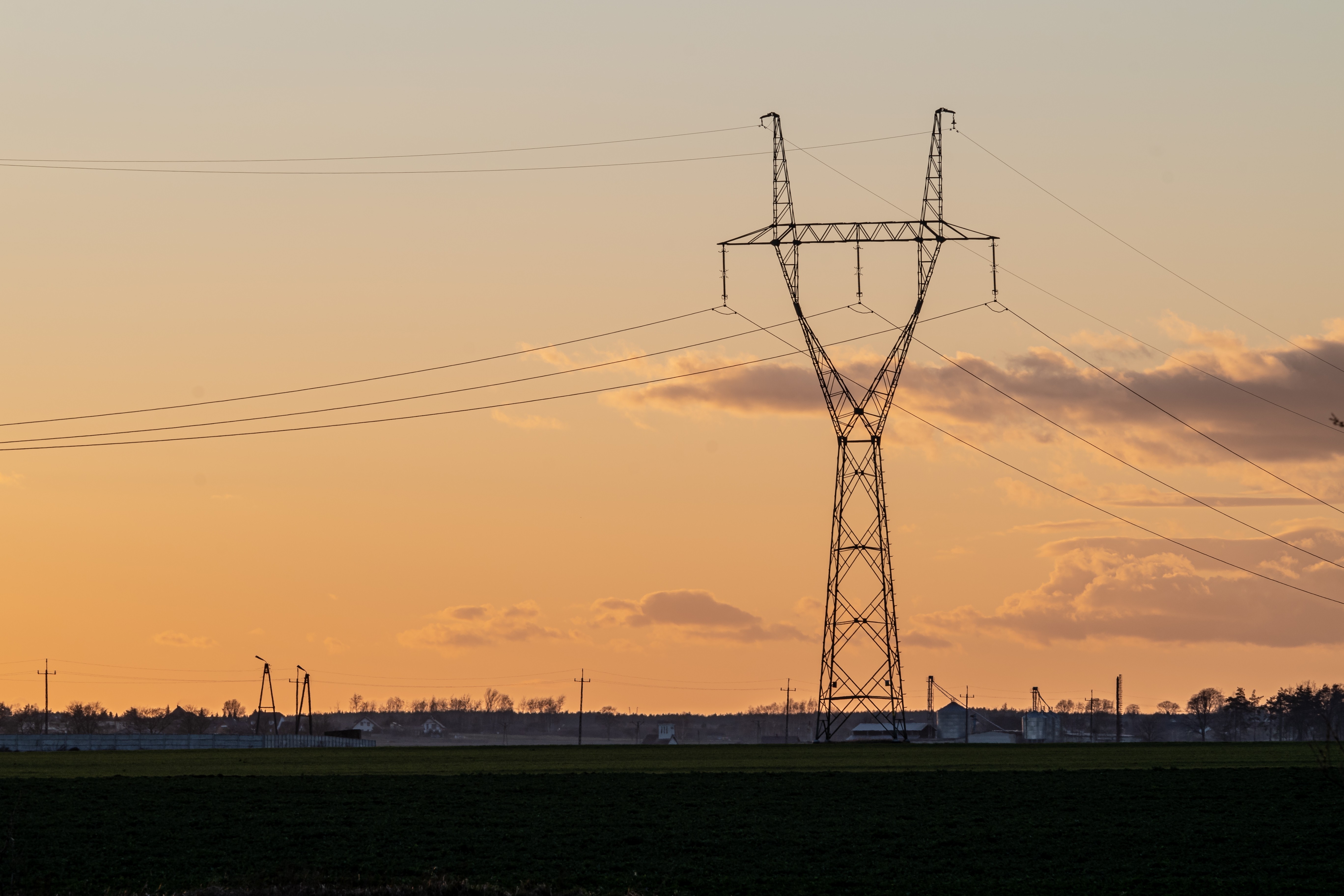
In December 2025, Kenya Electricity Transmission Company Limited signed a 30-year concession agreement with a consortium comprising Africa50 and Power Grid Corporation of India, India's national grid operator and the largest power transmission utility in the world by network size. The deal will finance, construct, and operate two high-voltage transmission lines: a 400kV double-circuit line from Lessos to Loosuk serving Kenya's Baringo-Silali geothermal corridor, and a 220kV double-circuit line from Kibos through Kakamega to Musaga in Western Kenya. Total investment: USD 311 million, equivalent to KES 40.4 billion. Public funding contribution: zero.
This is not a minor transaction. It is the largest privately financed transmission infrastructure deal in Kenya's post-independence history, delivered through a mechanism, the Privately Initiated Project framework under the PPP Act 2021, that Kenya's infrastructure community has discussed for years without many of its practitioners understanding how to use it at scale.
That gap between the framework's potential and its application is what this piece addresses.
The Financing Gap Is Not Going Anywhere
The mathematics of Kenya's electricity transmission investment are unambiguous. KETRACO's Transmission Master Plan 2023-2042 sets out a demand forecast rising from 2,149 megawatts in 2022 to 6,093 megawatts by 2042. Meeting that demand requires 6,510 kilometres of new transmission lines. The total investment requirement to build them is USD 4,778 million. Of that, USD 987 million is secured or committed. The financing gap is USD 3,791 million.
No fiscal trajectory makes public budgets the answer to a USD 3.8 billion infrastructure shortfall in a single sector over twenty years. Kenya's national government development expenditure competes across roads, health, education, housing, and water. The county governments that would benefit most from expanded transmission, Baringo, West Pokot, Elgeyo Marakwet, Kisumu, Kakamega, do not finance national grid infrastructure. The multilateral lending window, through the World Bank and the African Development Bank, is real but finite and increasingly conditioned on climate co-benefits that not every transmission investment can claim.
The KETRACO-Africa50 deal did not solve the USD 3.8 billion problem. It addressed USD 311 million of it and, more importantly, demonstrated that the remaining balance is accessible to private capital, if the institutional and legal architecture is in place to receive it.
What the PPP Act 2021 Actually Provides
Kenya has had a PPP framework since the Public Private Partnerships Act 2013. The 2021 Act was not a replacement but a substantive deepening, and its most significant addition for infrastructure development was Part IV: the Privately Initiated Proposals mechanism.
Under Part IV, a private entity, a developer, an investor, or a technical consortium, can submit an unsolicited infrastructure proposal directly to a Contracting Authority. The PPP Directorate evaluates the proposal for compliance, technical credibility, value for money, and alignment with national development priorities. If the proposal passes, it enters a competitive dialogue or a Swiss Challenge process in which third parties can submit competing bids. The original proponent carries a defined right to match competing offers.
This is a materially different procurement model from the traditional output-based specification and competitive tender. It places the origination of project concepts with private sector actors who have the technical knowledge to identify infrastructure gaps and structure bankable solutions. It does not require a contracting authority to have already developed a detailed project specification before private capital can engage. For complex infrastructure like high-voltage transmission, where the optimal technical solution is often better understood by private transmission operators than by government agencies, this matters.
The KETRACO-Africa50 deal was originated through this mechanism. PowerGrid Corporation of India, as a sovereign-backed transmission operator with 180,000 circuit kilometres of grid under management, brought both the technical capability to identify the two line configurations and the balance sheet credibility to anchor the financing. Africa50 provided the infrastructure investment platform that bridged Indian sovereign technical expertise with African development finance logic. KETRACO provided the concession authority and the revenue offtake certainty through its role as the national grid operator. The PIP framework was the legal container that held the deal together from origination to close.
Additionality is not a conceptual argument. It is a financial model. The bank must show, with specific numbers, why the project is not bankable without GCF support, and how the GCF's contribution changes that calculation.

ACAL Advisory Team
Public Sector Advisory Practice
Why More Deals Have Not Followed
If the PIP mechanism works, and December 2025 confirms that it does, the question is why Kenya's USD 3.8 billion transmission gap has not attracted more privately initiated proposals.
Three constraints are genuine and worth naming directly.
Institutional readiness at the contracting authority level is uneven.
The PPP Directorate carries the evaluation function, but contracting authorities, line ministries, state corporations, county governments, must first receive and assess an unsolicited proposal before it reaches the Directorate. For many agencies, the internal capacity to evaluate a technically complex infrastructure proposal, negotiate a Swiss Challenge process, and manage a 30-year concession agreement from the government side is limited. An underprepared counterparty extends timelines, introduces risk of procedural challenge, and reduces the attractiveness of the PIP route relative to government-tendered contracts with more predictable processes.
Bankable revenue streams require regulatory clarity that not every sector provides.
The KETRACO-Africa50 deal works in part because KETRACO's transmission tariff structure is regulated, its revenue stream is government-backed through the electricity sector's payment cascade, and the offtake risk is manageable for an international investor with sovereign backing. In sectors where tariff regulation is less settled, water, urban transport, solid waste, the revenue predictability that private capital requires does not yet exist at scale. PIPs that originate in these sectors face a structuring problem that the legal framework alone cannot solve.
Local advisory capacity to originate and structure PIPs is scarce.
The PIP process places a premium on pre-feasibility quality. A proposal that fails the PPP Directorate's initial compliance and value-for-money screen does not advance. A proposal that advances but is poorly structured creates a Swiss Challenge process that may produce a competing bid the original proponent cannot match. Getting the origination right, the technical specification, the financial model, the concession structure, the risk allocation framework, the environmental and social baseline, requires advisory capacity that most Kenyan project sponsors do not have in-house and that the general management consulting market does not consistently provide.
What the Africa50-PowerGrid Consortium Got Right
The deal's structure offers a readable case study in what a successful PIP origination looks like.
Technical credibility was unimpeachable from the opening proposal. PowerGrid Corporation of India operates the world's largest transmission network and brought engineering specificity to the line configurations, voltage selection, and substation design that KETRACO's own engineers could assess as credible. The proposal was not a concept note. It was a bankable technical document.
The concession structure matched the risk profile of the assets. A 30-year concession for 400kV and 220kV transmission lines, assets with 40-year design lives, low operational complexity relative to generation, and revenue tied to system utilisation rather than individual customer credit risk, is a logical match. The duration provides the investor with the recovery period that long-life infrastructure requires. The regulated revenue stream provides the lender comfort that project finance demands.
Africa50's participation resolved the development finance logic. Africa50 is a pan-African infrastructure investment platform with USD 3.2 billion under management, structured as a joint stock company of African central banks and governments, hosted by the African Development Bank. Its involvement signals development finance alignment, reduces political risk perception for international co-investors, and provides a currency hedging and risk mitigation architecture that a purely commercial investor would find more expensive to replicate. For KETRACO as the contracting authority, Africa50's presence on the other side of the concession agreement provides government-to-government comfort that the asset will be managed in the public interest.
The lesson is not that all PIPs need Africa50 or a sovereign technical partner. The lesson is that the proposal needs to solve three problems simultaneously: technical credibility that a government counterparty can assess, a financial structure that a lender can fund, and a risk allocation that aligns incentives across the concession period. These three problems are solvable in combination. They are rarely solved in isolation.
Implications for Kenya's Infrastructure Pipeline
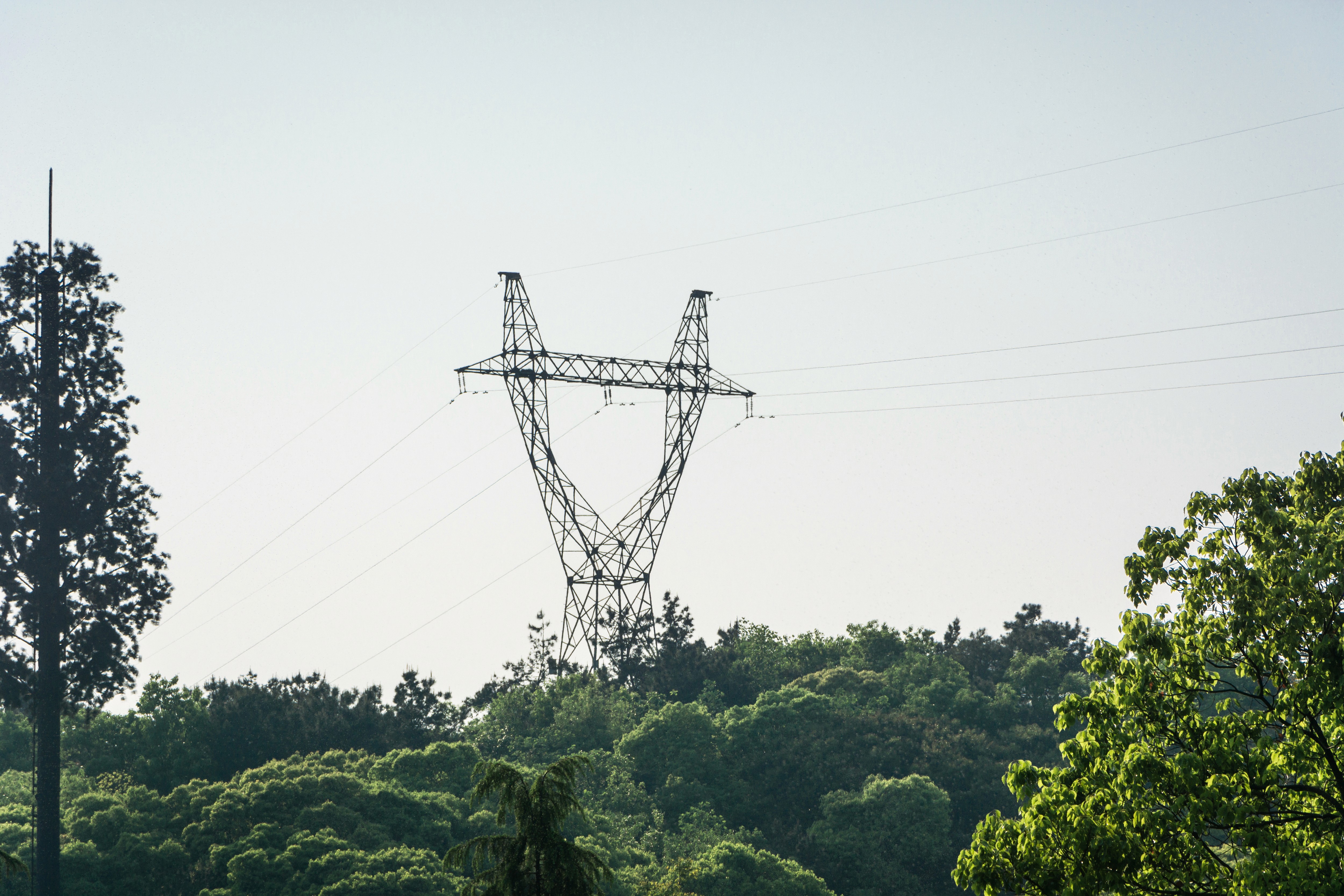
The KETRACO-Africa50 deal closes at a moment when Kenya's infrastructure financing architecture is under visible stress. The fiscal consolidation programme constrains development expenditure. The debt service obligation absorbs an increasing share of government revenue. The multilateral lending pipeline, while active, cannot fill a USD 3.8 billion sectoral gap in transmission alone alongside simultaneous demand in roads, water, health, and urban infrastructure.
For governments and state corporations with infrastructure mandates, the PIP framework is no longer theoretical. December 2025 proved it. The relevant question is no longer whether the mechanism works but which agencies have the institutional capacity to receive, evaluate, and negotiate privately initiated proposals at a standard that produces closed deals rather than stalled negotiations.
For the development finance institutions, the African Development Bank, the World Bank Group through IFC and MIGA, and the bilateral development finance arms including British International Investment and AFD — the PIP route opens a co-investment pathway that sits alongside the grant and concessional loan instruments they traditionally deploy. DFI participation as co-investor or guarantor in a PIP concession structure can unlock private commercial capital at ratios that direct lending cannot achieve. The Africa50 vehicle is one model. There are others.
For private sector actors, developers, operators, technology providers, and institutional investors, the PIP framework places origination capability at a premium. The firms that can identify viable infrastructure gaps, structure technically credible proposals, and navigate the PPP Directorate's assessment process will have access to deal flow that the traditional competitive tender route does not offer. That advantage compounds over time as track record in the PIP process becomes a differentiator.
For local advisory firms with deep sector and institutional knowledge, the PIP mechanism creates a distinct role at the origination stage, not as a bid-process manager for a government-tendered contract, but as a strategic partner helping project sponsors develop proposals that survive technical, financial, and regulatory scrutiny.
The Framework Is Ready. The Question Is Whether Institutions Are
Kenya's PPP Act 2021 is a well-constructed piece of legislation. Part IV's PIP mechanism is functional, tested, and proven at USD 311 million. The PPP Directorate has processed the deal. KETRACO has signed the concession. Africa50 and PowerGrid India are mobilising.
What the deal has not yet produced, because no single deal can, is the institutional reflex across Kenya's contracting authority ecosystem to treat the PIP route as a standard channel for infrastructure development rather than an exceptional one. That reflex requires training, capacity, and the experience of processing proposals through to closure. It requires the PPP Directorate to be adequately resourced for the volume of PIP proposals that a mature ecosystem generates. And it requires a pool of project sponsors, investors, and advisors with the capability to originate credible proposals in the first place.
Kenya has the legal architecture. The December 2025 deal confirmed it works. The productive conversation now is about building the institutional and advisory infrastructure that allows the framework to operate at the scale the country's USD 3.8 billion transmission gap, to say nothing of its water, transport, and urban infrastructure backlogs, actually requires.
That is the work the Africa50-KETRACO deal has made necessary and newly urgent.
Strategic Insights That Drive Business Success
Strategic Insights That Drive Business Success
Strategic Insights That Drive Business Success